
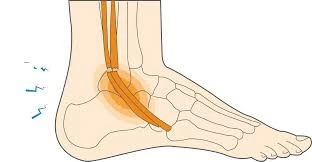
Ankle pain can be easy to ignore, especially if you’re used to being active. Many people assume it’s a simple sprain, soreness from overuse, or a lingering result of an old injury. But if the discomfort sticks around for weeks, affects your movement, or flares up every time you walk or run, it might be something more serious: an ankle tendon tear.
Tendon injuries in the ankle are more common than most realize. The tendons that support and stabilize the ankle can suffer small or complete tears due to trauma, overuse, or degeneration. These injuries don’t always present with sharp pain.
Instead, many patients report a nagging ache, a sense of instability, or swelling that doesn’t go away. If left untreated, tendon tears can lead to long-term joint damage and chronic mobility issues. So, what exactly causes these tears? And how are they treated, especially for those seeking advanced care options in New Jersey?
Common Causes of Ankle Tendon Tears
Tendon tears often result from either acute injury or gradual wear and tear:
- Sudden Twisting or Rolling: A misstep on uneven ground, a fall, or a sports-related injury can cause an immediate tear in the tendon.
- Repetitive Stress: Runners, dancers, and athletes who frequently put strain on their ankles are at high risk for overuse injuries.
- Degeneration Over Time: In some cases, especially among adults over 40, the tendon weakens and frays, making it prone to tears even during normal activities.
- Flat Feet or High Arches: Abnormal foot mechanics can increase stress on certain tendons.
While these causes vary, the symptoms are often similar: persistent pain, swelling near the ankle, and sometimes a snapping sensation during movement.
When Should You Worry?
Pain alone doesn’t always signal a tendon tear. But if you're experiencing one or more of the following symptoms for more than a few days, it’s time to get evaluated:
- Localized swelling around the outer or inner ankle
- Pain that worsens with activity and doesn’t subside with rest
- A popping or snapping sensation
- Weakness or instability when walking or standing
- Difficulty pushing off the foot or standing on tiptoe
In many cases, these signs point to underlying tendon damage. For people dealing with these symptoms, early diagnosis is key. Clinics that specialize in ankle tendon tears New Jersey emphasize the importance of imaging (MRI or ultrasound) to confirm the extent of the injury and avoid delays in treatment. The specialists at Jersey Joint, Spine, & Regen offer modern interventions for your joint pain.
Why Delaying Treatment Can Be Risky
Ignoring persistent ankle pain can lead to serious complications. Partial tears can worsen with continued use, eventually leading to a complete rupture. Torn tendons can also cause secondary problems like joint misalignment, arthritis, or nerve compression.
For example, a torn posterior tibial tendon, if untreated, can result in adult-acquired flatfoot, an irreversible condition that changes the structure of the foot and often requires reconstructive surgery. By seeking prompt care, you significantly increase your chances of full recovery through non-invasive methods.
Treatment Options in New Jersey
For those in search of professional care for ankle tendon tears New Jersey, clinics like Jersey Joint, Spine, & Regen offer comprehensive evaluation and a tailored treatment approach. Whether the tear is partial or complete, there is a range of solutions depending on the severity.
Non-Conservative Treatment May Include:
- Immobilization: Wearing a boot or brace to allow the tendon to heal without further strain.
- Physical Therapy: A structured rehabilitation program to rebuild strength and improve ankle stability.
- Anti-Inflammatory Medications: To reduce swelling and control pain.
- Regenerative Injections: Platelet-rich plasma (PRP) or other biologics are used in some cases to accelerate healing.
Surgical Options Are Considered When:
Minimally invasive procedures are now common, allowing for quicker recovery times and less post-operative discomfort. You need to opt for surgical intervention when:
- The tear is complete, and function is severely compromised.
- Non-conservative treatment fails after a trial period.
- There’s significant tendon degeneration or structural damage to the ankle joint.
Life After an Ankle Tendon Tear
With proper diagnosis and the right care plan, most patients regain full function of their ankle. Recovery time varies depending on the severity of the tear and the type of treatment received, but early intervention is always beneficial.
For athletes or active individuals, returning to sport may take several months of guided rehab. However, long-term outcomes are excellent, especially when care is provided by specialists with experience in ankle tendon tears NJ.
Final Thoughts
Ankle pain that refuses to go away isn't something to shrug off. It may be your body signaling a deeper issue, like a tendon tear that requires medical attention. The sooner you address it, the better your chances of avoiding complications and returning to your normal routine.
If you're in New Jersey and dealing with ongoing ankle pain, connect with a provider who specializes in tendon injuries. Clinics like Jersey JSR offer advanced options tailored to your needs, so you can get back on your feet with confidence.