
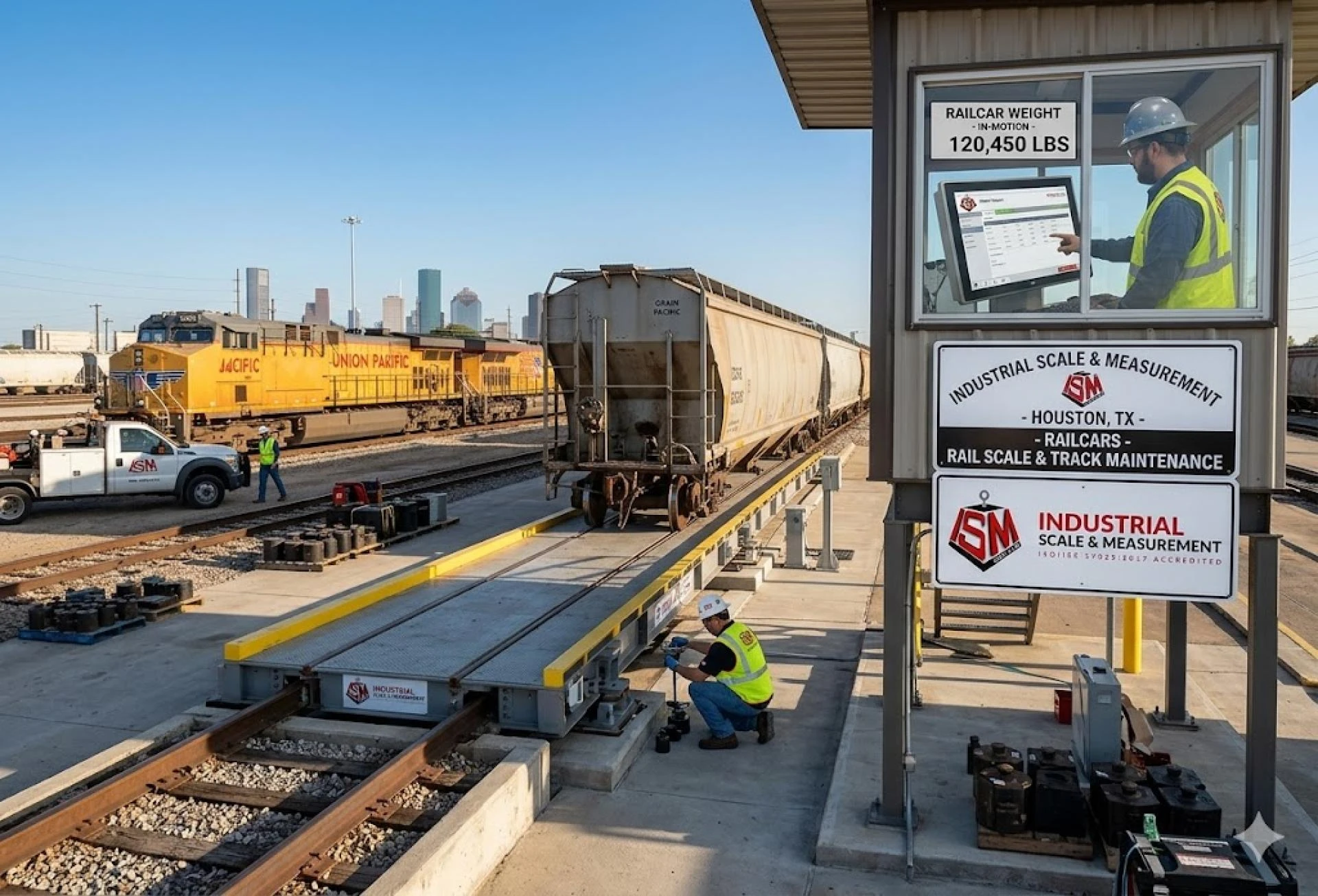
Rail transportation plays a critical role in the movement of heavy materials such as coal, grain, chemicals, construction materials, and industrial equipment. Because these shipments involve large volumes and strict regulations, accurate weight measurement is essential. Rail scale systems help industries ensure that cargo is properly measured, billed correctly, and transported safely. Modern Rail Scale Houston TX systems rely on advanced technology to deliver precise measurements while handling the heavy demands of industrial rail operations.
As industries become more data-driven, rail scales have evolved from simple mechanical weighing systems to highly sophisticated digital solutions. Today’s systems combine precision sensors, automation software, and durable construction to provide reliable results even in demanding environments. Understanding the technology behind these systems can help businesses choose the right solution for their operations.
The Importance of Rail Scale Systems in Industrial Operations
Rail scales are specialized weighing systems designed to measure the weight of railcars as they move across or stop on the scale platform. Accurate weight data ensures compliance with transportation regulations and prevents costly overloading issues.
When railcars are overloaded, it can lead to track damage, safety hazards, and potential fines from regulatory authorities. On the other hand, underloaded cars can reduce shipping efficiency and increase transportation costs. This is why businesses depend on accurate weighing solutions such as Rail Scale Houston TX systems to maintain operational efficiency.
Modern rail scale technology is engineered to withstand harsh conditions, heavy loads, and continuous use. Industries like mining, agriculture, chemical processing, and logistics depend on reliable rail weighing systems to keep their supply chains moving smoothly.
Load Cell Technology in Rail Scales
One of the most important components in rail scale systems is the load cell. Load cells are precision sensors that convert mechanical force into an electrical signal. When a railcar passes over the scale, the load cells measure the weight and send the data to a digital indicator or software system.
Advanced Rail Scale Houston TX installations typically use high-capacity load cells designed specifically for heavy industrial loads. These sensors are built with durable materials and sealed housings to resist moisture, dust, and temperature fluctuations.
The benefits of load cell technology include:
- High accuracy even under extreme loads
- Long-term durability and reliability
- Consistent performance in outdoor environments
- Compatibility with modern digital monitoring systems
By using multiple load cells across the scale platform, these systems can distribute weight evenly and produce highly accurate measurements for each railcar.
Weigh-in-Motion Technology
Another important innovation in rail weighing systems is weigh-in-motion technology. Traditional scales require railcars to stop completely on the scale before weight readings can be taken. However, modern systems can measure railcars while they are moving slowly across the scale.
Weigh-in-motion technology improves efficiency by allowing trains to move continuously during weighing operations. This reduces delays in busy rail yards and improves the speed of logistics operations.
Many Rail Scale Houston TX systems use this technology to help industries process shipments faster while still maintaining precise weight readings. These systems rely on advanced sensors and algorithms that can calculate weight accurately even when railcars are in motion.
Digital Indicators and Data Management Software
Modern rail scales are not just about measuring weight—they are also about managing data. Digital indicators and software platforms collect weight readings and store them for reporting, billing, and compliance purposes.
These systems allow operators to:
- Track shipment weights in real time
- Generate automated reports
- Integrate with inventory management systems
- Monitor scale performance remotely
Companies that invest in advanced weighing technology often work with experienced providers such as Industrial Scale & Measurement to ensure their systems are properly installed and configured for accurate data management.
The integration of software and automation makes rail scale systems far more efficient than older mechanical designs. Operators can access weight data instantly, reducing paperwork and improving decision-making across the organization.
Durable Structural Design
Rail scale systems must handle enormous loads and constant vibration from passing trains. To maintain accuracy and safety, these systems are constructed with reinforced steel platforms and heavy-duty structural components.
Key design features often include:
- High-strength steel frameworks
- Corrosion-resistant materials
- Weatherproof electronics enclosures
- Precision track alignment systems
These features ensure that the scale platform remains stable and accurate even after years of heavy use. The durability of modern rail scales allows industries to operate efficiently without frequent equipment replacement.
Calibration and Maintenance Technology
Accuracy is critical in any industrial weighing system, which is why calibration technology plays an essential role in rail scale performance. Calibration ensures that the scale readings remain consistent and reliable over time.
Advanced rail scale systems use digital calibration tools and diagnostic software to identify any measurement errors quickly. Regular maintenance checks also help prevent potential issues before they affect operations.
Businesses operating rail weighing systems often rely on specialized service providers for maintenance and calibration support. If you need assistance with installation, maintenance, or calibration, you can easily Contact us to discuss your requirements with experienced professionals.
Remote Monitoring and Smart Connectivity
One of the most exciting advancements in modern rail scale systems is the integration of remote monitoring technology. Smart connectivity allows operators to access scale data from remote locations using secure digital platforms.
With these systems, companies can:
- Monitor scale performance remotely
- Receive alerts for potential system issues
- Access weight data through cloud platforms
- Improve operational transparency across facilities
Remote monitoring reduces downtime and improves maintenance planning, ensuring that weighing operations remain accurate and efficient.
Choosing the Right Rail Scale System
Selecting the right rail scale system requires careful evaluation of operational needs, environmental conditions, and regulatory requirements. Businesses must consider factors such as:
- Maximum load capacity
- Environmental durability
- Data integration capabilities
- Maintenance and calibration support
For companies looking to implement or upgrade their rail weighing systems, exploring reliable solutions like Rail Scale Houston TX services can help ensure accurate and dependable performance.
Working with experienced providers ensures that the system is installed correctly and optimized for long-term reliability.
The Future of Rail Scale Technology
The future of rail scale technology is expected to include even greater automation, data analytics, and connectivity. Artificial intelligence and predictive maintenance tools are already beginning to play a role in monitoring system health and detecting potential issues before they occur.
As industries continue to expand and shipping volumes grow, rail scale systems will remain an essential part of logistics infrastructure. Advanced technologies will help businesses improve efficiency, reduce errors, and maintain compliance with transportation regulations.
Companies that invest in modern weighing systems today will be better prepared for the demands of tomorrow’s industrial supply chains.
FAQs
1. What is a rail scale system used for?
A rail scale system is used to measure the weight of railcars and their cargo. It helps industries ensure accurate shipping records, comply with transportation regulations, and prevent overloading.
2. How accurate are modern rail scales?
Modern rail scales are extremely accurate due to advanced load cell sensors, digital indicators, and calibration systems. Proper maintenance and calibration ensure consistent measurement results.
3. What industries commonly use rail scale systems?
Industries such as mining, agriculture, manufacturing, energy, and chemical processing rely heavily on rail scale systems to manage large shipments transported by rail.
4. How often should rail scales be calibrated?
Rail scales should be calibrated regularly based on usage levels, environmental conditions, and industry regulations. Many companies schedule routine calibration inspections to maintain accuracy.
5. Can rail scales measure trains while moving?
Yes, many modern rail scale systems use weigh-in-motion technology, which allows trains to be weighed while moving slowly across the scale, improving operational efficiency.