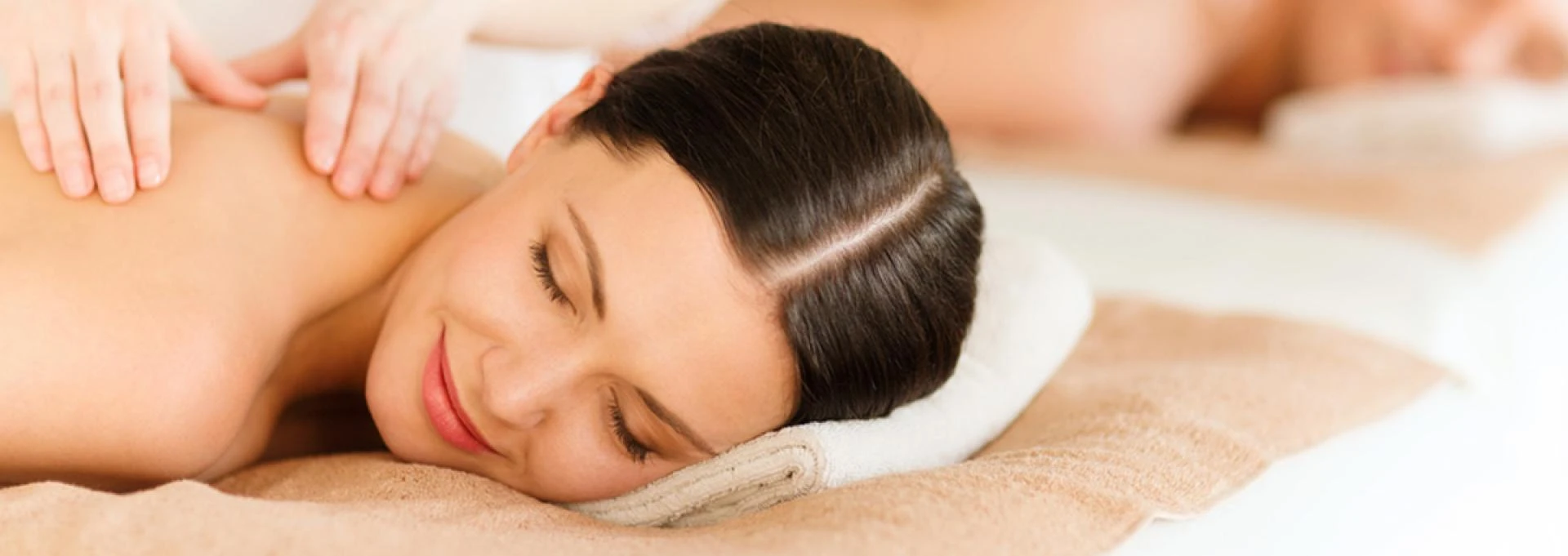
A Swedish massage in Chicago and its surrounding areas is a popular massage therapy that uses gentle and flowing techniques to relax muscles, reduce tension, and improve circulation. This massage is recommended for individuals who are undergoing massage therapy for the first time in life and want a calming experience. The main techniques used in Swedish massage include effleurage, petrissage, tapotement, friction, and vibration. These movements work together to relieve stiffness, improve flexibility, and promote overall wellness. Even student clinics in the city offering supervised sessions, use these techniques to ensure proper learning and safe treatments for clients.
What Is Swedish Massage?
Swedish massage is one of the most common types of massage. It focuses on relaxation and improving circulation using gentle movements.
Therapists use different hand techniques to reach superficial muscles and soft tissues. Sessions usually last 50 to 90 minutes, and clients remain fully clothed or draped with towels. Swedish massage is safe, relaxing, and suitable for almost everyone.
Effleurage – Long, Gliding Strokes
Effleurage is the most common technique in Swedish massage. It involves long, smooth, and flowing strokes along the muscles.
This technique helps warm up the muscles, improves blood flow, and prepares the body for deeper techniques. Effleurage also promotes relaxation and reduces stress. Therapists usually use this at the beginning and end of a massage session.
Petrissage – Kneading and Squeezing
Petrissage involves kneading, rolling, and gently squeezing the muscles. It targets deeper layers of muscles and helps release tension.
This technique improves muscle elasticity, increases circulation, and can reduce stiffness. Petrissage is especially useful for tight areas such as the shoulders, back, and thighs.
Tapotement – Rhythmic Tapping
Tapotement is a series of light, quick tapping or percussion movements. It can include cupping the hands, hacking, or gentle tapping with fingertips.
This technique stimulates the muscles, increases circulation, and energizes the body. Tapotement is often used toward the end of the session to awaken the muscles and improve alertness.
Friction – Deep Pressure Movements
Friction involves applying deep, circular pressure to tight or sore muscles. This technique targets knots and adhesions in muscle fibers.
Friction can help relieve tension, break down scar tissue, and improve flexibility. Therapists use this technique carefully to avoid discomfort while promoting healing and relaxation.
Vibration – Gentle Shaking or Trembling
Vibration uses shaking, rocking, or trembling motions applied to muscles. This technique relaxes tight muscles and reduces stiffness.
Vibration is often combined with other techniques to release tension and increase muscle responsiveness. It also stimulates nerve endings, which can help improve overall sensation and relaxation.
Benefits of Swedish Massage Techniques
Swedish massage techniques work together to provide numerous benefits:
Reduce muscle tension and stiffness
Improve circulation and oxygen flow to muscles
Promote relaxation and lower stress levels
Increase flexibility and joint mobility
Relieve minor aches and pains
Enhance overall wellness and mental clarity
These benefits make Swedish massage ideal for people of all ages and activity levels.
Swedish Massage at Student Clinics
Even a student massage clinic in Chicago can offer Swedish massage under supervision. Students practice these techniques on clients while licensed instructors guide them to ensure proper pressure, hand placement, and safety.
Visiting a student clinic is often more affordable and provides a professional, safe experience while helping students gain practical skills.
Choosing a Swedish Massage in Chicago
When looking for a Swedish massage in the city, consider these tips:
Check credentials of therapists
Look for licensed clinics or student clinics under supervision
Ask about techniques used in sessions
Consider session length and price
Read reviews and testimonials for quality and comfort
A well-chosen clinic ensures safe, relaxing, and effective treatments tailored to individual needs.
Concluding remarks
Swedish massage uses techniques like effleurage, petrissage, tapotement, friction, and vibration to relax muscles, reduce stress, and improve overall wellness. These movements can help anyone feel calmer, more flexible, and rejuvenated.
For people in Chicago looking for professional and skilled care, River North Massage Therapy Center offers expert therapists trained in Swedish massage and other therapeutic techniques. They provide safe, effective treatments to enhance relaxation, relieve tension, and improve overall health.
FAQs
1. What is a Swedish massage?
It is a gentle massage using flowing, kneading, and tapping techniques to relax muscles and improve circulation.
2. How long is a typical session?
Swedish massage sessions usually last between 50 to 90 minutes depending on client needs.
3. Can beginners try Swedish massage?
Yes. It is suitable for beginners and anyone seeking relaxation or mild muscle relief.
4. What techniques are used in Swedish massage?
Common techniques include effleurage, petrissage, tapotement, friction, and vibration.
5. Are student clinics safe for Swedish massage?
Yes. Students perform massage under licensed instructor supervision, ensuring safe and professional care.
6. What are the benefits of Swedish massage?
Benefits include reduced muscle tension, improved circulation, relaxation, flexibility, pain relief, and overall wellness.
Author Bio
I am a licensed massage therapist with extensive experience helping clients reduce pain, relieve stress, and improve overall wellness. I specialize in Swedish, deep tissue, and therapeutic massage, customizing each session to meet individual needs. Through this blog, I provide guidance to help people in Chicago understand the benefits and techniques of Swedish massage.
Business Details
Business Name: River North Massage Therapy Center
Location: Chicago, IL
Website: https://www.rivernorthmassage.com/massage-therapy.html