A roller fly screen is a simple and useful way to keep flies, mosquitoes, and other insects outside while allowing fresh air into your home. It is often used on windows, doors, balconies, and other open areas. Like any home fitting, a roller fly screen can sometimes become difficult to open, close, or roll back properly.
A stuck screen does not always mean that you need to replace the whole system. In many cases, the problem can be fixed with simple checks and careful cleaning. Knowing the common causes can help you solve the issue safely and keep the screen working for longer.
Why Does a Roller Fly Screen Get Stuck?
There are several reasons why Roller Fly Screens screen may stop moving smoothly. Dust, dirt, loose parts, damaged mesh, and problems with the roller system can all affect its movement.
The screen may also become stuck if it is not sitting correctly inside its side tracks. If the screen has been used many times, normal wear can also affect the way it moves.
Before trying to fix the problem, avoid pulling the screen with too much force. Strong pulling can damage the mesh, frame, spring, or other parts.
Check the Screen Tracks First

One of the first things to check is the side track. The screen normally moves through these tracks when it is opened or closed.
Remove Dust and Dirt
Dust and small pieces of dirt can collect inside the tracks over time. This can make the screen harder to move.
A Simple Cleaning MethodStart by opening the screen as much as possible without forcing it. Use a soft brush or dry cloth to remove visible dirt from the tracks.
You can also use a vacuum cleaner with a small nozzle to remove dust from narrow areas. Once the tracks are clean, try moving the screen slowly.
Do not use sharp tools to remove dirt. They may scratch the frame or damage the screen.
Look for Damage in the Mesh
The mesh itself can sometimes cause the problem. If the mesh has come loose from one side, it may rub against the frame while the screen moves.
Check for Bent or Loose Areas
Look closely at the mesh and frame. Check whether the mesh is folded, stretched, torn, or pulled away from the edge.
A small problem with the mesh can become worse if the screen is forced. If you notice a damaged section, it is better to get professional help instead of continuing to pull the screen.
Check the Roller Mechanism
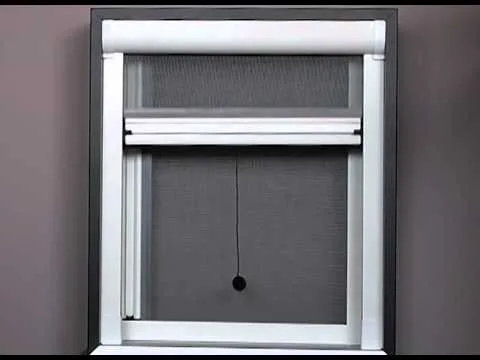
A roller fly screen works with a rolling system that allows the mesh to move up, down, or sideways, depending on the design.
The Roller May Need Attention
If the tracks are clean but the screen still does not move, the roller mechanism may be the reason. The internal spring or other parts may have become loose or worn.
Do not open the roller unit unless you know how the system works. Some roller screens contain spring tension, and incorrect handling can damage the system or cause injury.
A trained technician can check the roller and repair or replace the required part.
Do Not Force a Stuck Fly Screen
One of the most important things to remember is to avoid using too much force.
Why Pulling Hard Can Make Things Worse
When a screen is stuck, pulling harder may seem like the easiest solution. However, this can stretch or tear the mesh. It may also bend the frame or damage the roller system.
Instead, stop when you feel strong resistance. Check the tracks, mesh, and frame before trying again.
Gentle movement is usually safer than repeated force.
When Should You Call a Professional?
Simple cleaning can solve many minor problems, but some issues need expert attention.
Get Help for Serious Damage
Consider professional repair if:
- The mesh is badly torn.
- The frame is bent.
- The roller does not move at all.
- The screen keeps coming out of the track.
- The screen does not roll back correctly.
- The spring or internal roller appears damaged.
- The screen becomes stuck again after cleaning.
A professional can identify the exact problem and suggest repair or replacement based on the condition of the screen.
How Can You Prevent Roller Fly Screen Problems?
Regular care can help your screen work smoothly for a longer time. You do not need a complicated maintenance routine.
Clean the Tracks Regularly
Remove dust from the tracks every few weeks, especially in areas where there is a lot of dust. Keeping the tracks clean reduces friction and helps the screen move properly.
Handle the Screen Gently
Always open and close the screen slowly. Avoid pulling it at an angle or using sudden force.
Keep the Mesh Free From PressureDo not push furniture, boxes, or other items against the screen. Pressure can stretch or damage the mesh.
Check Small Problems Early
If the screen starts making unusual sounds or feels harder to move, check it early. A small issue can often be easier and less costly to fix than a badly damaged system.
When Replacement May Be Better Than Repair
Not every stuck roller fly screen needs to be repaired. If the screen is very old or has several damaged parts, replacement may be a better option.
A new screen can provide smoother movement and better insect protection. It can also improve the overall look of a window or door.
Choose the Right Fly Screen System
When replacing a damaged screen, consider the size of the opening, how often the screen will be used, and the type of mesh that suits your space.
A good-quality roller fly screen should be easy to use, strong enough for regular use, and simple to maintain.
Also read this content
How Does Mosquito Mesh Help Keep Homes Free From Insects?
Final Thoughts
A stuck Fly Mesh System is often caused by something simple, such as dirt in the tracks, a misaligned mesh, or a small issue with the roller system. Start by checking and cleaning the tracks, then inspect the mesh and frame carefully.
Most importantly, do not force the screen when it does not move. Too much pressure can turn a small problem into a costly repair. If cleaning does not solve the issue or you notice damaged parts, professional assistance can help restore the screen safely.