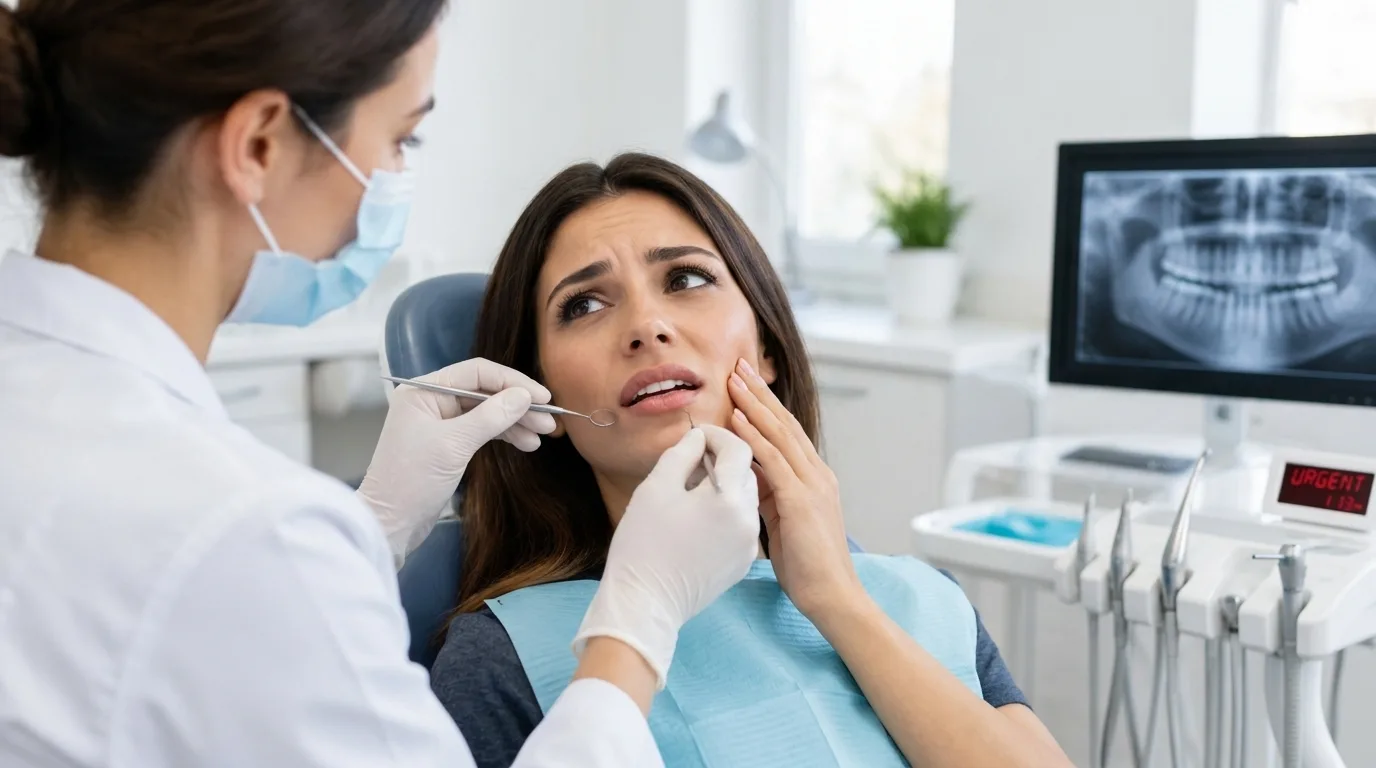
Dental emergencies happen unexpectedly. You may have a sudden toothache, break a tooth, or get hurt in a way that affects your mouth. Sometimes you may not know what to do or where to go when you’ve encountered a dental emergency. Some issues that happen to your dental health may need to be attended to as quickly as possible, in order to prevent more serious issues from happening. Knowing how to respond to a dental emergency can help you avoid worsening your current condition, provide pain relief, and give you peace of mind until you can get to a dentist.
Identifying a Dental Emergency
Not all conditions that affect your teeth require emergent dental care. However, if you have a condition that causes severe or persistent pain, you may need to go to a dentist as soon as you can. Some conditions require emergency care if you have severe or uncontrolled bleeding. Conditions that cause swelling may also need to be cared for as soon as possible. A tooth may have been damaged beyond repair and require emergency dental care. If you believe you’ve chipped your tooth, you may feel little to no discomfort at first, however, if you don’t get it fixed, the tooth may decay and deteriorate, and you may feel more discomfort than before.
Tooth Pain
Tooth pain can be caused by cavities, a broken or lost filling, an infection, or tooth trauma. If you have a new or worsening tooth pain, you can rinse your mouth with warm water and clean your teeth with a toothbrush to remove any food that may be stuck around the area. In the case of a dental emergency, you may want to take over-the-counter pain medication to help with the pain, but this will not help with a long-term solution. To temporarily relieve pain, you can take an analgesic, but be sure not to place aspirin against the tooth or gums as this can cause more irritation. If the pain is severe, or you have swelling, you should go to the dentist as soon as possible for treatment. They can determine the next step in your dental care.
A Tooth Being Knocked Out
If your permanent tooth gets knocked out, you have a dental emergency and should seek treatment as soon as possible, ideally within an hour of the tooth getting knocked out. You want to make sure to pick up the tooth by the crown, and not the root. Gently removing any dirt or debris from the tooth is acceptable, but do not scrub or clean the tooth too much, as you can damage the tissue and cells that you need to heal the tooth. If you can not place the tooth back in the socket, keep the tooth moist. An appropriate tooth-preservation solution can be used, or if that is not available, milk can be used until you can get to a dentist.
What To Do If You Have A Broken Tooth
There are many reasons why you could have a broken or cracked tooth. It could be because of an accident, biting on something really hard, or an existing problem with your teeth. If it is causing swelling, you can rinse your mouth with some warm water, and you can put a cold compress on your face to help the swelling. Make sure you keep the piece that broke off if you can find it. Also avoid chewing on it if you can help it. Depending on the extent of the crack or break, your dentist could recommend a repair like a filling or crown, or more seriously, a root canal.
What About Swelling?
Swelling with a tooth or jaw is a reason for concern if it is with pain or a fever. Usually this means there is an infection and it requires treatment. You can use a cold compress to help swelling, but this doesn’t do anything to the infection. You should go to the emergency room to get treatment if the swelling is so bad it affects your breathing or swallowing.
When to See an Emergency Dentist
Not all dental issues require immediate treatment, but delaying treatment for certain issues can make a small problem worse. If you have a Toothache, toothaches can usually be managed until you can see your dentist. A permanent tooth that gets knocked out requires immediate dental attention. Other issues that require immediate attention are: significant swelling, severe bleeding that cannot be controlled, or if a tooth has been seriously damaged. If you’re not sure whether a situation requires immediate attention, you can always call your dentist to describe your symptoms and get an idea of whether you need to be seen immediately.
Preventing Dental Emergencies
Although some dental emergencies are unavoidable, some actions can be taken to lower your risk of dental injuries. Keeping up with your regular dental appointments can help catch problems before they reach an emergency stage. Wearing a mouthguard during sports can also protect your teeth from an injury. There are also things to avoid that can reduce the risk of an injury. For example, you should avoid opening packages with your teeth, or biting on hard objects.
Final Thoughts
Dealing with a dental emergency is incredibly stressful, and not knowing what to do can compound the stress. Knowing what to do can help give you peace of mind. If you have any of the following situations requiring immediate attention, taking the right first steps can help you protect your oral health. These steps include tooth pain, broken tooth, swelling, and a knocked out tooth. When there is a problem with your oral health that requires immediate care, an emergency dentist will evaluate the situation to find the root of the problem and give you the best course of treatment.