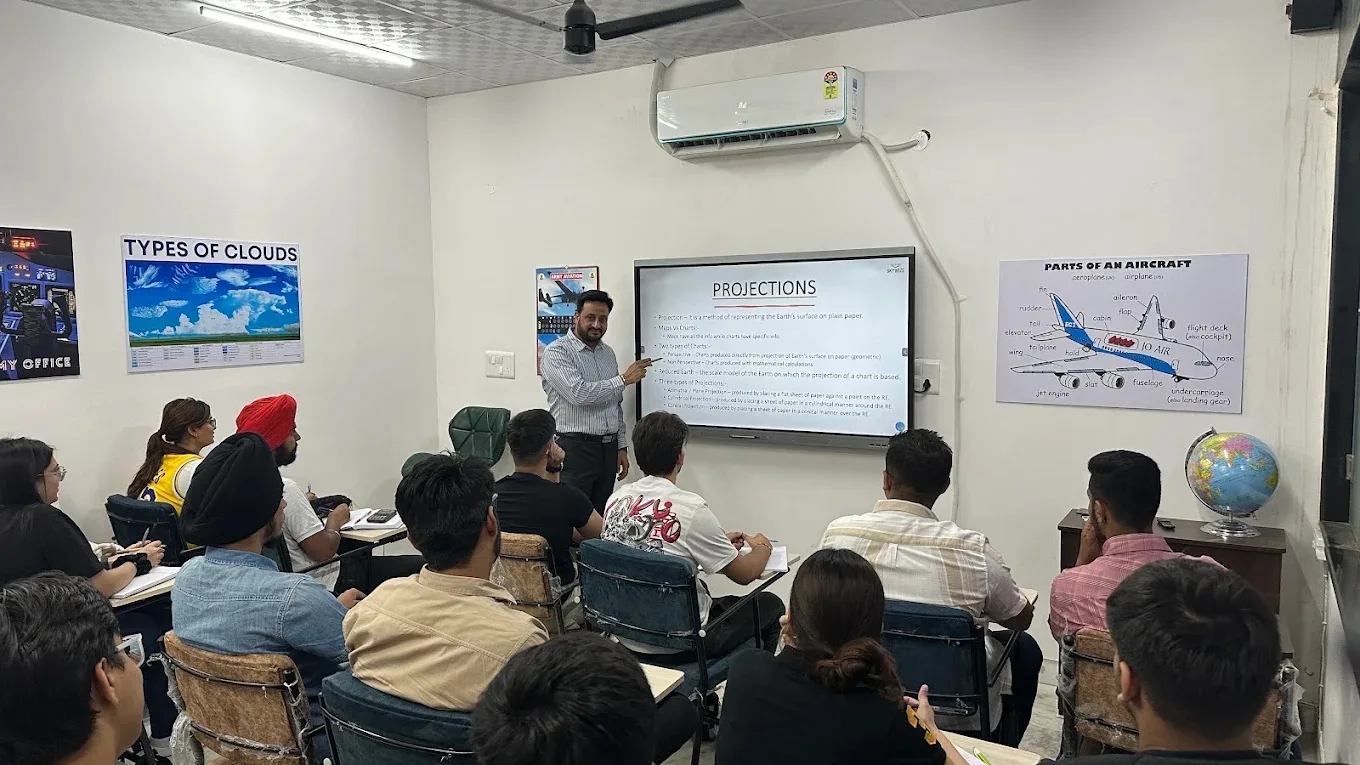
Choosing a career in aviation is an exciting decision, especially for students who dream of becoming pilots. However, getting started requires more than just an interest in flying. Before entering a flight training programme, students need to develop a strong understanding of aviation theory, regulations, aircraft operations, and other essential subjects.
This is where ground training becomes important. It helps students build the theoretical knowledge required for further aviation studies and pilot training.
With several training options available, choosing the right aviation ground training institute can feel confusing. Every student wants to learn in an environment that supports their goals, explains concepts clearly, and helps them prepare for the next stage of their aviation journey.
So, what should students actually look for before making this decision?
1. A Clear and Structured Training Approach
One of the first things students should check is how an institute organises its training programme.
Aviation ground training covers several theoretical subjects, and understanding them requires consistent learning. Students should look for an institute that follows a structured approach rather than teaching topics without a clear sequence.
The learning process should allow students to understand basic aviation concepts before moving towards more advanced subjects. A well-organised programme also helps students keep track of their progress and identify areas that need additional attention.
Before enrolling, ask about the subjects covered, class structure, learning schedule, and overall teaching approach.
2. Experienced and Knowledgeable Instructors
The quality of instruction can make a significant difference in how students understand aviation concepts.
Subjects such as air navigation, meteorology, air regulations, and technical general require more than memorising definitions. Students need to understand how these concepts apply to real aviation situations.
Look for instructors who can explain complex topics in simple language and encourage students to ask questions. Their ability to connect theoretical knowledge with practical aviation examples can make learning more meaningful.
It is also worth understanding how instructors support students when they struggle with particular subjects.
3. Focus on Conceptual Understanding
Aviation is a field where theoretical knowledge plays an important role in decision-making and operational awareness. Simply memorising answers may help students remember information temporarily, but it does not always develop a deeper understanding.
A good ground training programme should focus on explaining why something happens, how aviation systems work, and where particular rules or principles are applied.
For example, learning meteorology should involve understanding weather conditions and their relevance to flight operations, rather than only remembering weather-related terms.
When evaluating an institute, find out whether its teaching methods encourage conceptual learning and problem-solving.
4. Preparation for DGCA Examinations
For students pursuing a pilot career in India, understanding the Directorate General of Civil Aviation (DGCA) examination requirements is important.
Students should check whether the institute provides guidance for relevant DGCA ground examination subjects and helps them understand the examination process.
Ask how the institute approaches subject preparation, revision sessions, practice questions, and doubt-clearing activities.
However, students should also remember that joining a ground training institute does not automatically guarantee examination success or any regulatory approval. Consistent personal study and a clear understanding of the applicable DGCA requirements remain essential.
5. Learning Support and Doubt-Clearing Sessions
Not every student understands a topic at the same pace. Some may find navigation calculations challenging, while others may need additional help with meteorology or aviation regulations.
This is why learning support matters.
Before choosing an institute, ask whether students can approach instructors outside regular lessons, attend doubt-clearing sessions, or receive additional explanations when needed.
A supportive learning environment makes it easier to discuss difficulties without hesitation. It also helps students develop confidence as they progress through different aviation subjects.
6. Study Resources and Learning Materials
Good study materials can make ground training more manageable.
Students should understand what learning resources an institute provides. These may include subject notes, reference materials, practice exercises, presentations, and other educational resources.
The important thing is that the materials should support classroom learning and help students revise independently.
It is also useful to check whether the study resources are updated when relevant regulations, examination requirements, or aviation information changes.
7. Student Feedback and Learning Environment
An institute's reputation is worth considering, but students should look beyond promotional claims.
Try to understand the experiences of current or former students. Their feedback may provide useful information about teaching quality, instructor accessibility, classroom discipline, and overall learning support.
If possible, visit the institute before enrolling. Observe the learning environment and ask questions about the programme.
A comfortable and focused atmosphere can help students stay consistent with their studies, particularly when preparing for multiple theoretical subjects.
8. Transparency About Courses and Student Expectations
Before making a final decision, understand exactly what the institute offers.
Check the course duration, fee structure, subjects included, class timings, available learning support, and any additional costs. Ask for clear information rather than relying on verbal promises.
Students should also distinguish between ground training, flight training, DGCA regulatory requirements, and airline-specific selection processes. These are different stages of an aviation career, and an institute should explain its role honestly.
Avoid making decisions based only on placement promises, guaranteed results, or attractive advertisements.
Making the Right Choice for Your Aviation Journey
Choosing an aviation ground training institute is an important step towards building a foundation for a pilot career. The right learning environment should offer structured teaching, knowledgeable instructors, conceptual clarity, examination guidance, and consistent student support.
Students should take their time, compare available options, and ask the right questions before enrolling. A thoughtful decision at the beginning can make the learning journey more organised and meaningful.
At SkyWize Aviation, students exploring aviation education can learn more about available ground training guidance and the steps involved in preparing for an aviation career. Understanding the learning process and knowing what to expect can help aspiring pilots move forward with greater clarity and confidence.