More Than Just Mowing: A Real Look at What Landscaping Services Cover
Most people think of landscaping as someone coming to tidy up the garden every couple of weeks. And while maintenance is certainly part of it, that picture barely scratches the surface. In Sydney especially - where block sizes vary enormously, the climate can be brutal in summer, and outdoor living is practically a cultural institution - professional landscaping companies cover a surprisingly wide range of work.
If you're thinking about transforming your outdoor space, or even just trying to figure out where to start, it helps to understand what's actually on the table.
Design and Planning - The Part Most People Skip
Here's something that catches a lot of homeowners off guard: jumping straight into construction without a proper plan almost always costs more in the long run. A landscape designer doesn't just make things look pretty on paper - they look at how water drains across your property, where the sun hits at different times of day, how the slope of your yard might affect what you can build, and what you realistically want to use the space for.
That analysis shapes everything. The plant choices, the materials, where to put structures, how to handle problem areas. Getting that thinking done upfront means fewer expensive changes halfway through the job and a result that actually holds up over time.
Construction and Installation - Building It Right the First Time
Once the design's locked in, the real work begins. This is the stage where garden beds get shaped, pathways get laid, soil gets properly prepared, and the structural bones of the whole space start coming together.
It's not glamorous work, but it matters enormously. Poorly prepared soil, badly installed edging, or structural elements that weren't set correctly - these are the things that cause problems two or three years down the track. A good landscaping team treats the construction phase with the same seriousness as the design phase, because one falls apart without the other.
Lawn and Turf - Picking What Actually Works for Sydney
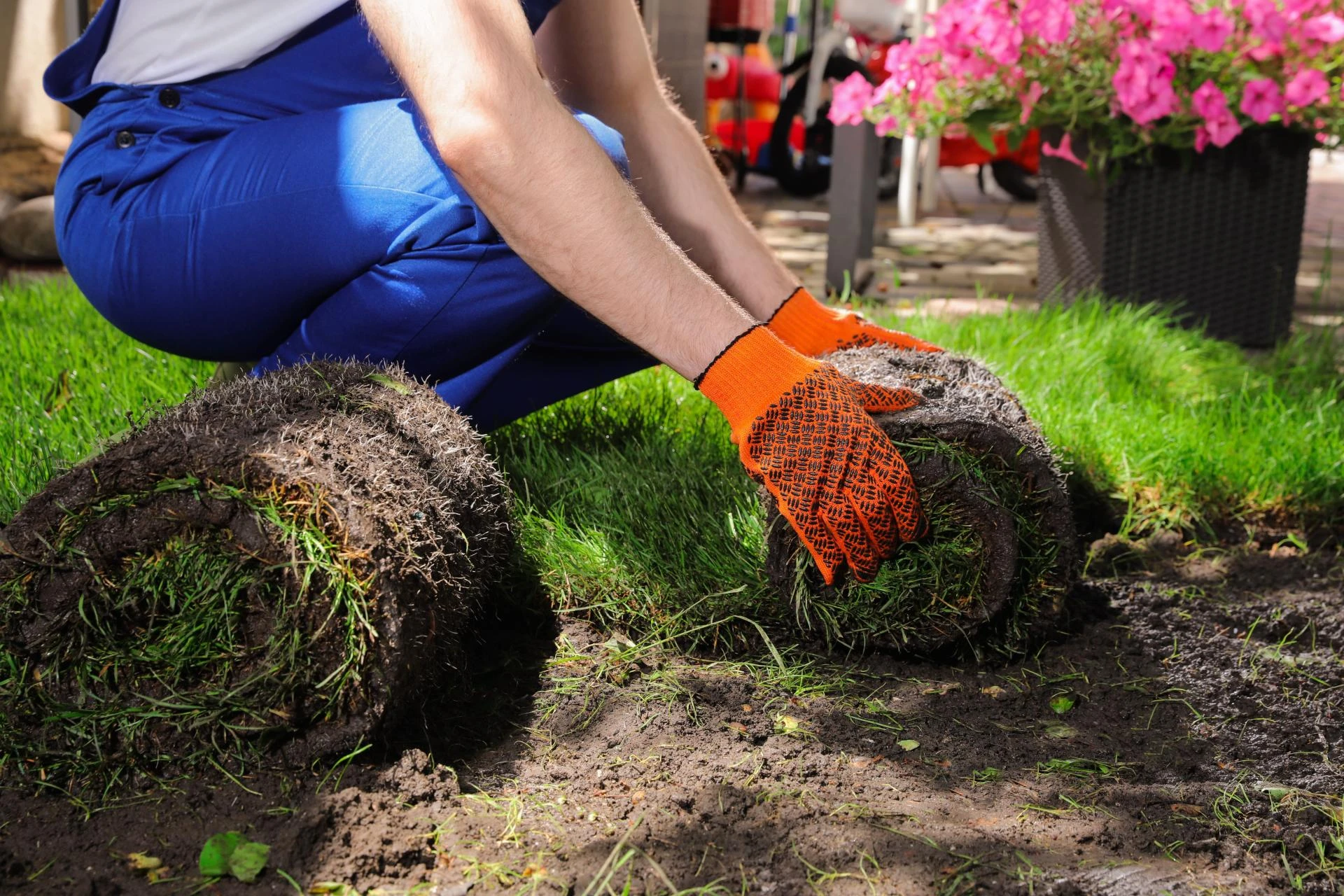
A lush lawn can completely change the way a property feels, but not all grass is created equal - and this matters a lot in Sydney's climate. Some varieties handle full sun beautifully but go patchy in shaded corners. Others need more water than they let on. And then there's the artificial turf question, which has become genuinely worth considering for certain properties, particularly those with heavy foot traffic or limited water access.
Good landscaping company in Sydney will walk you through the options honestly - what suits your specific block, your budget, and how much time you actually want to spend maintaining it. They'll prepare the ground properly before laying anything, because even the best turf installed over poorly levelled soil looks terrible within a season.
Hard Landscaping - Structure, Function, and Visual Weight
Paving, decking, retaining walls, driveways, steps - this is the category collectively called "hard landscaping," and it's often what gives an outdoor space its sense of permanence and purpose.
A well-designed set of stone pathways can make a medium-sized garden feel considered and intentional. A timber deck attached to the back of a house essentially adds another room.
Retaining walls aren't just functional (though they absolutely serve a function on sloped properties) - done well, they add interesting levels and texture to a garden. This is the work that tends to define how you actually use your outdoor space, not just how it looks in photos.
Plants, Garden Beds, and Soft Landscaping
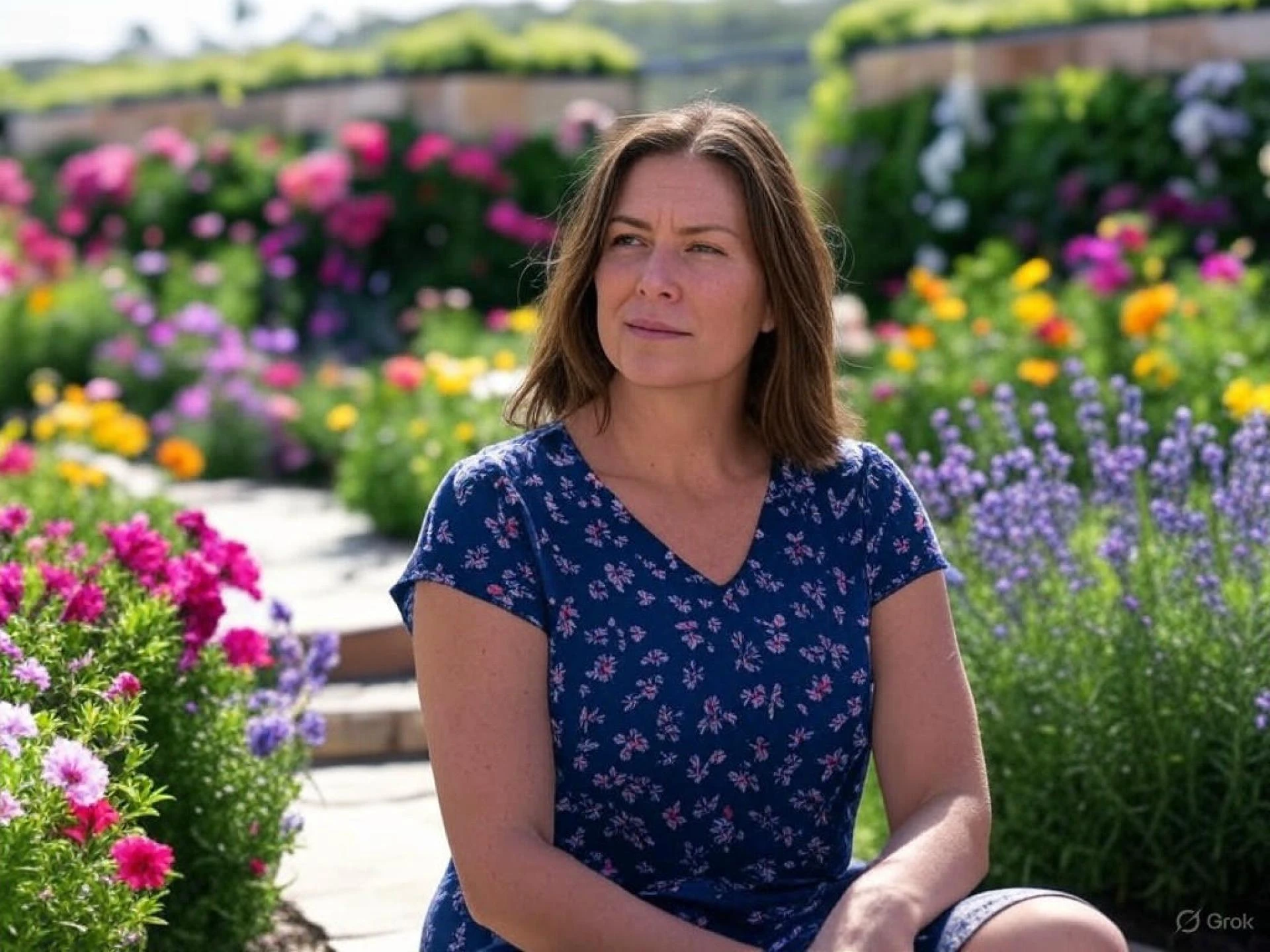
If hard landscaping provides the structure, soft landscaping brings it to life. This is the planting - trees, shrubs, flowering plants, ground covers, climbers - chosen and arranged to create something that feels natural and intentional at the same time.
In Sydney's climate, plant selection is genuinely important. Some beautiful plants that look great in a nursery will struggle in the summer heat or in Sydney's often sandy coastal soils. A landscaper who knows the local conditions will steer you toward things that will actually thrive, rather than plants you'll be replacing every two years. Mulching and soil conditioning fall into this category too - often overlooked, but fundamental to how well everything establishes.
Irrigation - Because Nobody Has Time to Water Every Day
An irrigation system isn't a luxury. For any garden of reasonable size, it's probably the most practical investment you can make after the planting itself. Hand-watering is time-consuming, uneven, and easy to forget during a busy week - and plants don't forgive inconsistency well.
A professionally designed system delivers water to the right places in the right quantities, runs on a schedule you set and forget, and in the long run uses less water than hose-watering typically does. For Sydney properties in particular, where water restrictions apply during dry periods, an efficient irrigation setup can also keep you on the right side of council guidelines.
Outdoor Living Spaces - The Extension of Your Home
Sydney's climate practically demands outdoor living. The question isn't really whether to have an outdoor entertaining area - it's what kind and how well-designed.
Landscaping companies design and build pergolas, patios, alfresco dining areas, outdoor kitchens, decks, and the kind of casual seating nooks that make a garden feel genuinely usable. These aren't afterthoughts tacked onto the back of a landscaping job - at their best, they're central to the whole design, properly integrated with the rest of the space rather than just dropped into it.
Ongoing Maintenance - Keeping Everything Looking the Way It Should
A beautifully landscaped garden needs consistent care. Without it, even the most thoughtfully designed space starts to look tired surprisingly quickly. Regular maintenance - mowing, edging, pruning, feeding, dealing with weeds before they take hold - is what keeps the investment intact.
Many landscaping companies offer ongoing maintenance contracts, which is genuinely worth considering if you want someone who knows your garden specifically, rather than a generic crew rotating through different properties each week.
Drainage and Soil - The Unsexy Problems That Matter Most
Poor drainage is probably the single most common cause of underperforming gardens. Waterlogged soil suffocates roots, encourages fungal problems, and - in extreme cases - puts pressure on structural elements. It's also surprisingly easy to miss until it causes a visible problem.
Landscaping companies that take this seriously will assess how water moves through your property before they do anything else, and build solutions into the design rather than treating them as an afterthought. Improving soil quality goes hand in hand with this - healthier soil holds moisture better, supports stronger root systems, and ultimately means less work maintaining everything above ground.
Sustainable Landscaping - Not Just a Buzzword Anymore
The shift toward more sustainable landscaping practices isn't just driven by environmental concern (though that's a legitimate reason in itself). It's also often cheaper in the long run. Native and drought-tolerant plants cost less to maintain. Water-efficient irrigation systems reduce bills. Recycled materials can look genuinely good and don't carry the environmental footprint of virgin materials.
A landscaper who understands Sydney's native plant palette can create something that's beautiful, low-maintenance, and genuinely suited to the local ecosystem - rather than a garden that constantly fights against its own environment.
Lighting - Making the Space Usable After Dark
Good outdoor lighting is one of those things you don't notice when it's done well, but you absolutely notice when it's done badly. Harsh floodlights, ugly fitting placement, gaps in coverage - they undermine the whole feel of a space.
Done properly, lighting extends the usable hours of your outdoor space, highlights the best features of the garden, makes pathways and steps safe to navigate at night, and adds a layer of security around the property. It's often one of the last things planned but one of the first things people comment on after a job is finished.
Commercial Landscaping - First Impressions for Businesses
Landscaping isn't just a residential concern. The outdoor environment of an office, retail space, or commercial development says something about the business inside it - and most business owners are acutely aware of first impressions.
Commercial landscaping involves design, installation, and usually ongoing maintenance, often under service agreements that keep everything consistently well-presented throughout the year. It's a different kind of brief than a home garden, but the principles of good design apply just as much.
Renovations - When You Just Need a Fresh Start
Not every project starts from an empty block. Plenty of the most satisfying landscaping work happens in existing gardens that have become outdated, overgrown, or simply no longer work for the people living in the home.
A garden renovation doesn't mean tearing everything out and starting over - it means being strategic about what stays, what goes, and what gets reimagined. Sometimes a space just needs new paving, a refreshed planting scheme, and better lighting. Other times it's a more substantial overhaul. Either way, the result can feel almost like having a new property - without the cost of moving.