
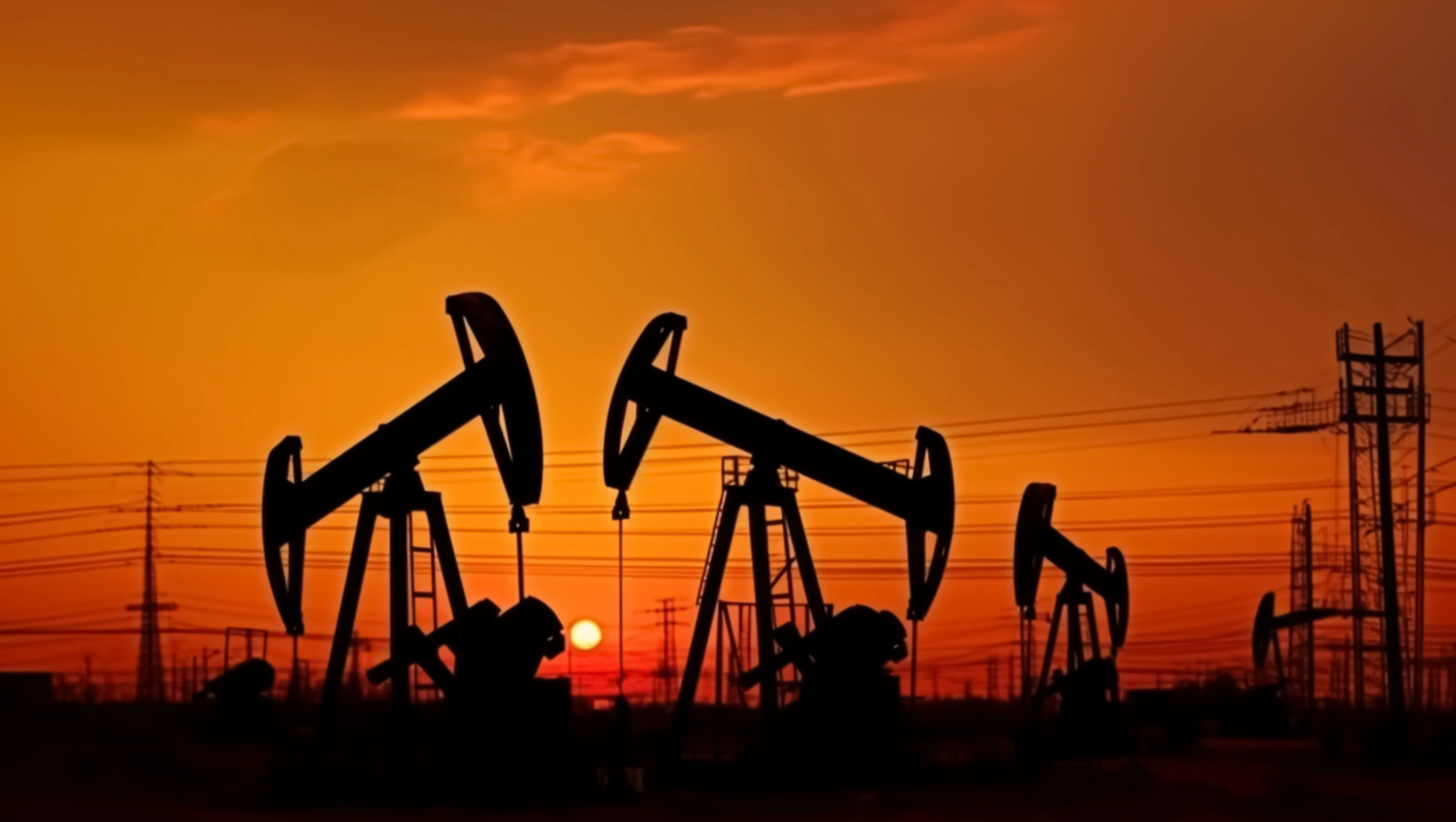
Recent global energy policies are reshaping how industries approach sustainability, emissions reduction, and long-term resource planning. Governments are introducing stricter climate targets, carbon pricing mechanisms, and cleaner fuel standards that directly influence investment decisions in the oil and gas sector. These changes are not only regulatory but also strategic, pushing companies to rethink how they design and manage operations. For example, modern reservoir engineering now plays a critical role in optimizing extraction while reducing environmental impact. Engineers are expected to balance production efficiency with carbon reduction goals, making technical expertise more important than ever. As the energy transition accelerates, organizations must understand how these evolving policies affect both current operations and future project development.
Understanding recent policy shifts in low-carbon energy
Over the past few years, many countries have strengthened their commitment to achieving net zero emissions. These commitments are no longer long-term goals alone but are being enforced through measurable regulations. Policies now focus on reducing methane emissions, improving energy efficiency, and increasing investment in renewable and transitional fuels.
One major shift is the introduction of carbon taxes and emissions trading systems. These frameworks directly influence the cost of fossil fuel production and encourage companies to adopt cleaner technologies. Another important trend is stricter environmental approval processes for new energy projects, requiring detailed emissions reporting and sustainability planning from the earliest stages.
These policy changes are also pushing industries to rethink supply chain strategies. Companies that once focused only on production efficiency now need to consider lifecycle emissions, environmental impact assessments, and long-term climate alignment.
Impact on oil and gas operations
The oil and gas sector is experiencing one of the most significant transformations due to these policy changes. Operators are being asked to improve efficiency while significantly lowering their carbon footprint. This has led to increased investment in carbon capture technologies, methane leak detection systems, and digital monitoring tools.
Project planning has also become more complex. Companies must now integrate environmental compliance into every phase, from exploration to production. This means engineering teams are collaborating more closely with environmental specialists to ensure all operations meet regulatory expectations.
In addition, asset optimization has taken on new importance. Mature fields are being reassessed to determine whether they can be extended sustainably using enhanced recovery methods with reduced emissions. These adjustments are not just regulatory requirements but also economic decisions, as inefficient operations are becoming more costly under current policies.
Engineering innovation and the path to transition
Technological innovation is at the center of the low-carbon transition. Digital modeling, real-time monitoring, and predictive analytics are helping companies reduce waste and improve decision-making. These tools allow operators to simulate different scenarios and choose the most sustainable development pathways.
At the same time, net zero consulting has become a key support system for organizations trying to align operations with global climate targets. This type of consulting helps companies assess their emissions baseline, identify reduction opportunities, and build long-term decarbonization strategies. It also supports compliance with evolving regulations while maintaining operational efficiency.
Another important development is the integration of carbon management into traditional engineering workflows. Instead of treating emissions as a separate concern, they are now embedded into project design and evaluation. This shift ensures that sustainability is considered from the earliest stages of planning rather than as an afterthought.
Role of technology in supporting policy compliance
Advanced technologies are making it easier for companies to comply with stricter regulations. Satellite monitoring, AI-driven analytics, and automated reporting systems are improving transparency and accuracy in emissions tracking. These tools also help reduce operational risks by identifying potential issues before they escalate.
Furthermore, the integration of renewable energy into traditional oil and gas operations is becoming more common. Hybrid energy systems, electrification of facilities, and improved energy storage solutions are helping reduce dependency on high-emission processes.
Conclusion
Recent policy developments are driving a fundamental shift in how energy systems operate worldwide. The focus is no longer only on production but on sustainability, efficiency, and long-term environmental responsibility. Oil and gas companies must adapt by integrating cleaner technologies, improving operational practices, and aligning with global climate goals. As the transition continues, success will depend on how effectively organizations combine engineering expertise with environmental awareness to build a more sustainable energy future.
FAQs
1. How are recent energy policies affecting the oil and gas industry?
Recent policies are increasing regulatory pressure on emissions, encouraging companies to adopt cleaner technologies and improve operational efficiency.
2. Why is carbon pricing important in energy transition?
Carbon pricing makes emissions financially accountable, pushing companies to reduce their carbon footprint and invest in sustainable alternatives.
3. What role does technology play in low carbon energy transition?
Technology enables better emissions tracking, operational efficiency, and data-driven decision-making to support sustainability goals.
4. How do companies manage compliance with environmental regulations?
Companies use monitoring systems, reporting tools, and expert advisory services to ensure they meet evolving regulatory requirements.
5. What are the main challenges in achieving net zero in oil and gas?
Key challenges include high infrastructure costs, technological limitations, and balancing energy demand with emissions reduction targets.