For years, I treated pet odors like an inconvenience-something to spray away, cover up, or blame on a bad day. If my home smelled “off,” I assumed my dog had an accident, the litter box needed attention, or the weather was working against me. I never stopped to ask what those smells were actually trying to tell me, even as I searched for tips on how to make your home smell fresh naturally and tried every quick fix I could find.
But once I started paying attention, I realized something important: pet odors aren’t random. They’re signals. They’re messages from the surfaces, fabrics, and floors in my home, especially in places like Clermont and the surrounding areas, where humidity, tile floors, and everyday living create ideal conditions for smells to linger. No amount of candles or natural sprays could solve the problem if I ignored the source of the odor.
Pet odors don’t just come from pets. They come from what pet life leaves behind, and how long it’s been sitting there unnoticed.
Pet Odors Are Symptoms, Not the Problem
One of the biggest mistakes I made was treating odor as the problem itself. I scrubbed, sprayed, mopped, and vacuumed, but the smell kept coming back.
That’s when it clicked: odor is the symptom, not the source.
What Pet Odors Are Really Indicating
When a home consistently smells like pets, it’s usually pointing to:
- Deep-set contamination, not surface dirt
- Moisture trapped in floors or carpets.
- Organic residue breaks down over time.
- Bacteria thrive where cleaners can’t reach
Pet odors don’t mean your home is dirty. They mean it’s holding onto things you can’t see.
Why Pet Smells Linger Even After Cleaning
I used to feel frustrated when I cleaned thoroughly, only to notice the smell creeping back days later. It felt defeating-until I understood how odors work.
Odors Bond to Surfaces Over Time
Pet-related smells don’t float around forever. They attach themselves to:
- Carpet fibers
- Grout lines
- Tile pores
- Area rugs
- Upholstery
- Baseboards and subfloor edges
Once bonded, regular cleaning only reaches the top layer.
That’s why surface-level cleaning gives temporary relief-but not lasting results.
What Your Floors Are Absorbing Without You Realizing
Floors take more abuse than almost any surface in the home, especially with pets.
Tile Floors Don’t Repel Odors-They Trap Them
The tile looks clean, but it’s far from odor-proof.
Here’s what I learned the hard way:
- Grout is porous
- Tile edges absorb moisture.
- Pet oils spread invisibly.
- Cleaning residue leaves sticky films.
Over time, pet smells seep into grout lines and microscopic cracks, creating a cycle where odors resurface no matter how often you mop.
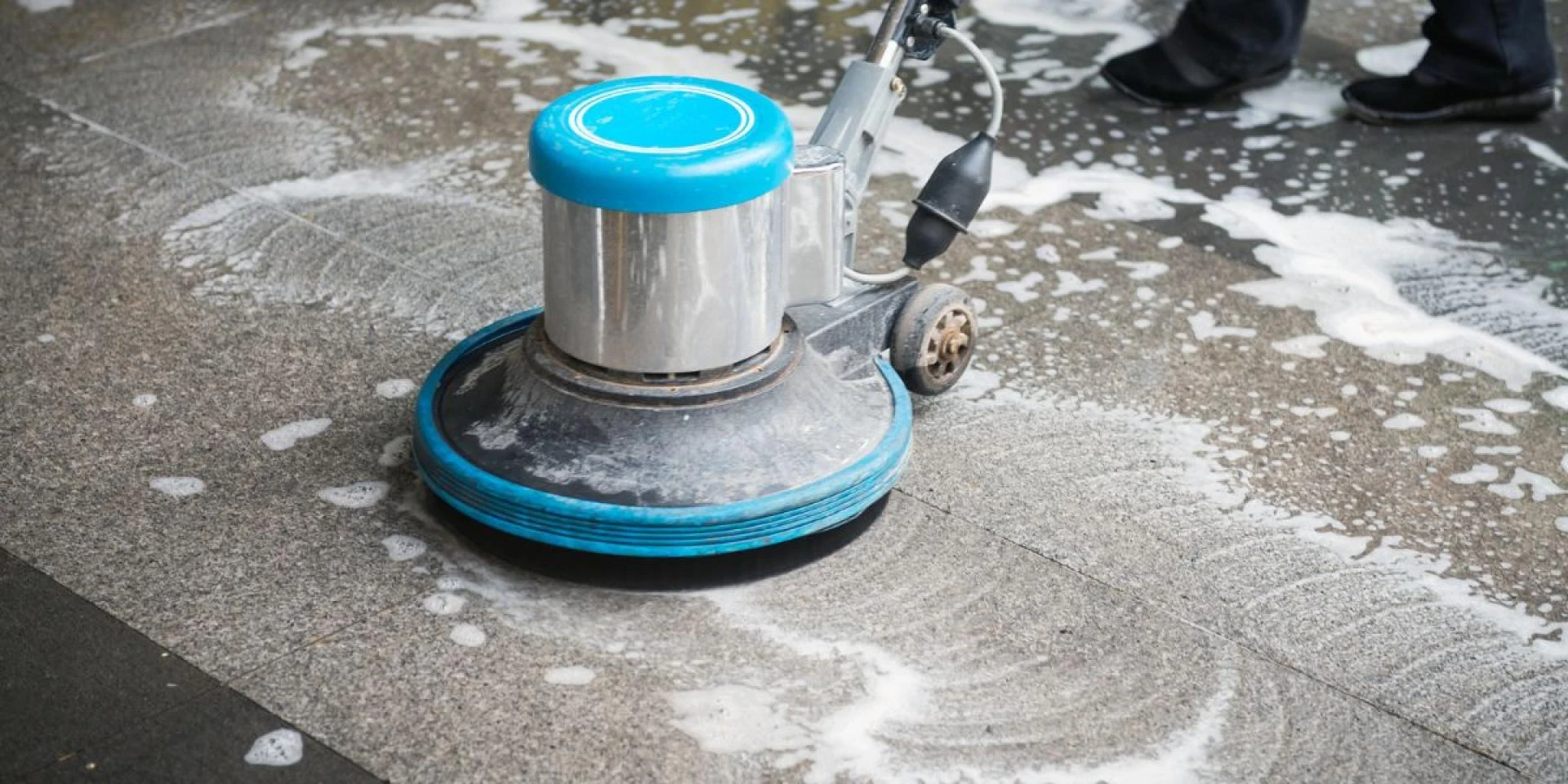
This is why tile floor cleaning services matter more than people think-because mopping alone can’t pull odors out once they’re embedded.
Carpet Holds Onto More Than Hair and Dirt
I used to believe carpets were the obvious culprit-and yes, they often are-but not for the reasons most people think.
What Really Lives Inside Carpet Fibers
Carpet acts like a filter. Over time, it collects:
- Pet hair and dander
- Skin cells
- Oils from paws and fur
- Moisture from humidity
- Cleaning product residue
All of this settles deep into the fibers and padding below.
That’s when odors stop being “pet smells” and start becoming bacterial smells.
This is where professional carpet cleaning services make a difference, because they extract what household tools can’t reach.
Why Pet Odors Get Worse in Humid Climates
Living in Florida adds another layer to the problem.
Humidity doesn’t create odors-but it reactivates them.
Moisture Brings Odors Back to Life
When humidity rises:
- Odor-causing bacteria become active again.
- Trapped moisture releases smells upward.
- Grout and carpet padding reabsorb air moisture
That’s why pet smells often seem stronger after rain, during summer, or when the AC cycles change.
It’s not your imagination-it’s chemistry.
What Pet Odors Say About Indoor Air Quality
This was the part that surprised me most.
Pet odors don’t stay on the floor. They move through the air.
How Odors Affect the Air You Breathe
As particles rise, they:
- Circulate through HVAC systems.
- Settle on furniture
- Trigger allergies
- Create stale indoor air.
This is why homes with lingering pet smells often feel heavy or stuffy-even when they look spotless.
Clean air starts with clean surfaces.
Why DIY Cleaning Has Clear Limits
I’m not anti-DIY. I still clean my home regularly. But I had to accept where DIY ends.
What DIY Cleaning Can Do
- Remove visible messes
- Reduce surface odors temporarily.
- Maintain appearance
What DIY Cleaning Can’t Do
- Remove deep bacterial buildup.
- Extract moisture from the padding or grout.
- Neutralize odor at the source.
At some point, more cleaning just spreads the problem around.
When Professional Cleaning Becomes Necessary
The turning point for me was realizing that persistent odors mean deeper contamination.
That’s when I started looking beyond surface solutions.
What Professional Cleaning Actually Solves
Professional services focus on:
- Deep extraction
- Residue removal
- Odor neutralization
- Moisture control
This is especially important for families with pets, kids, or rental properties where odors impact comfort and value.
Why I Recommend Urban Floors
When I finally decided to stop masking smells and start fixing them, I looked for professionals who understood why odors happen, not just how to cover them up.
That’s how I found Urban Floors.
They focus on removal, not perfume, addressing the real sources of odor in carpets, tile, grout, and high-traffic areas.
They offer:
- Carpet cleaning services
- Floor cleaning services
- Specialized care for pet-heavy homes
You can learn more here: https://www.urbanfloorsfl.com/
What I appreciated most was the honesty. No scare tactics. Just real solutions.
What Pet Odors Are Telling You-Room by Room
Pet odors often point to specific issues depending on where they appear.
Living Rooms
- Upholstery holds airborne particles
- Area rugs trap oils
Bedrooms
- Carpet padding contamination
- Pet sleeping areas are accumulating moisture
Entryways
- Outdoor debris mixed with pet residue
- Grout saturation
Offices & Rentals
- High traffic spreads odors faster.
- Infrequent deep cleaning
Each smell tells a story-you just have to listen.
How Often Homes With Pets Really Need Deep Cleaning
Based on experience, this schedule works best:
- Homes with one pet: every 9–12 months
- Multiple pets: every 6 months
- Rentals or offices: more frequently
- Tile-heavy homes: regular grout-focused cleaning
Routine care prevents odors from becoming permanent.
Final Thoughts
Pet odors aren’t something to be embarrassed about. Their information.
They tell you where moisture lingers, where bacteria grow, and where everyday life has settled in deeper than expected.
Once I stopped fighting smells and started understanding them, everything changed. My home felt lighter. Fresher. More comfortable.
If your home keeps telling you something through lingering pet odors, it might be time to listen and address the root, not the surface.
Clean floors. Clean carpets. Clean air.
That’s what pet odors are really asking for.