When parents search for a paediatric occupational therapist near me, it’s often because they want the best possible support for their child’s development. The first session can feel a little uncertain if you’re not sure what will happen. The good news is that these appointments are designed to be friendly, supportive, and centred around helping your child feel comfortable.
Understanding what to expect can help both you and your child approach the first visit with confidence.
Why the First Development Session Matters
A child’s first appointment with a paediatric occupational therapist is mainly about learning more about your child’s strengths, challenges, and daily routines. Rather than being a strict medical test, the session usually feels more like guided play and conversation.
The therapist aims to build trust with your child while gathering valuable information that will help them design an effective support plan.
Preparing for the Appointment
Before attending the session, parents may be asked to complete a short questionnaire or provide background information. This helps the therapist understand your child’s development and any concerns you may have.
You might be asked about:
- Your child’s medical and developmental history
- Challenges at school or daycare
- Daily activities such as dressing, eating, or handwriting
- Behaviour, attention, or sensory preferences
Bringing along school reports, previous assessments, or teacher notes can also be helpful.
What Happens During the First Session
Meeting and Building Rapport
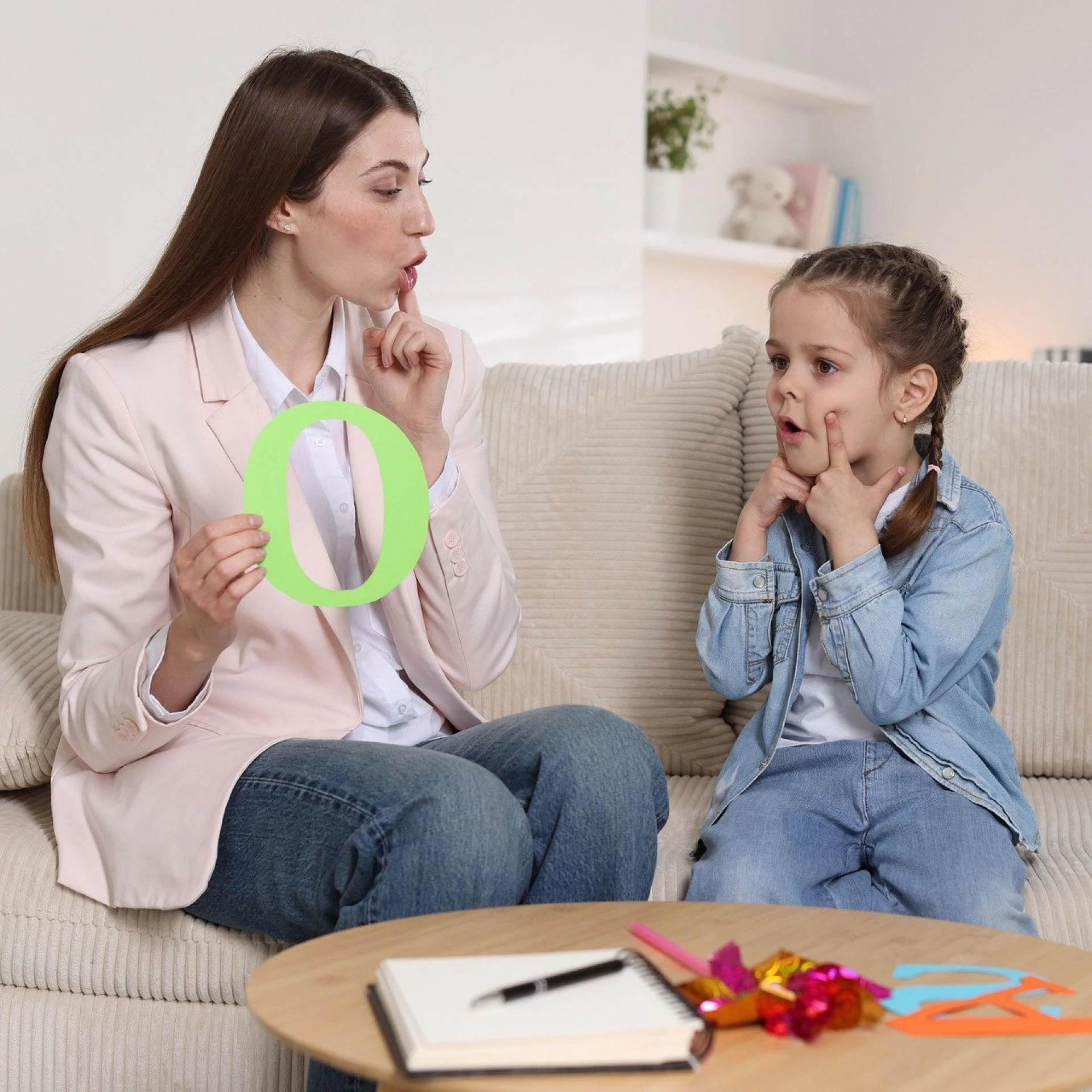
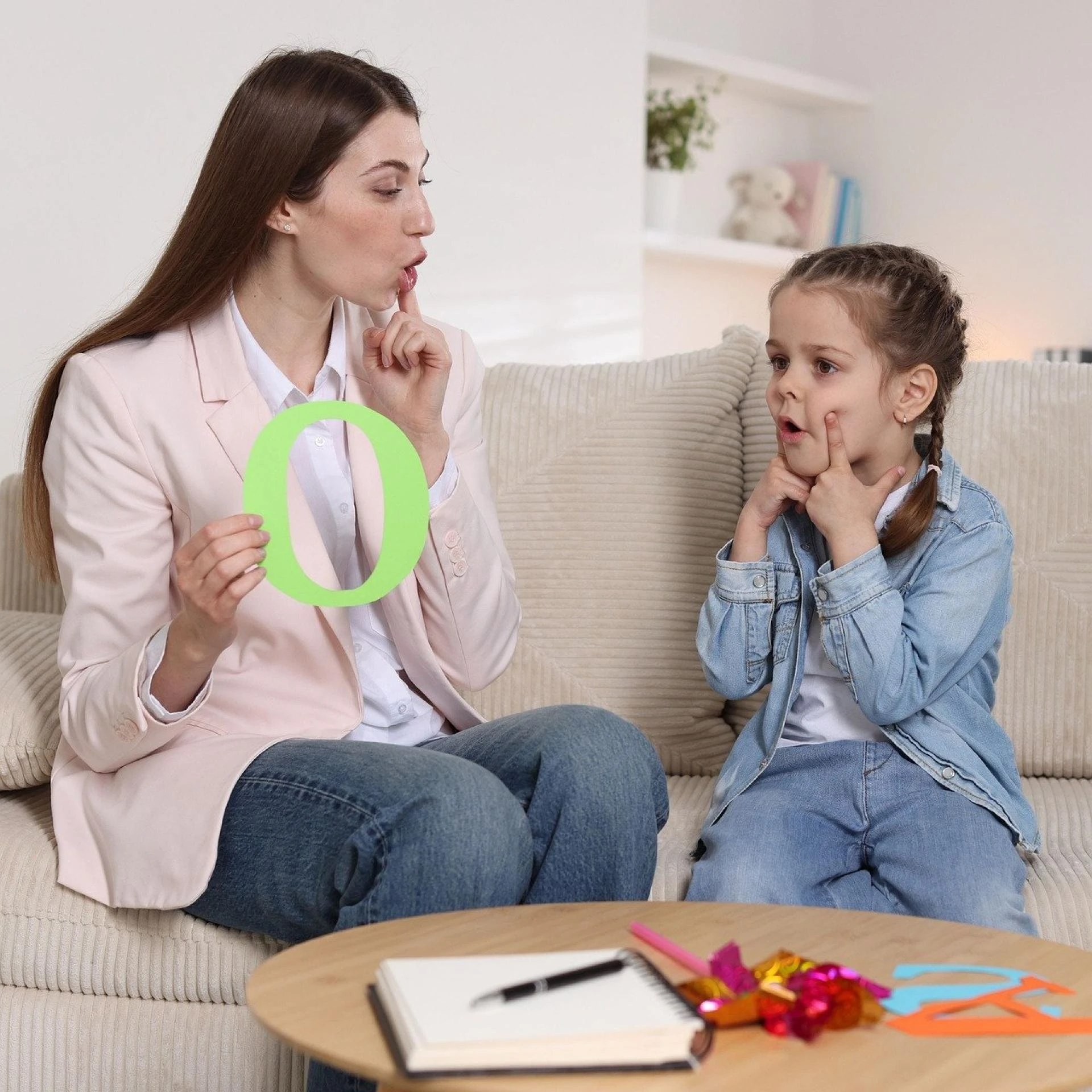
The session typically begins with introductions. The therapist will spend time talking with both you and your child to create a relaxed environment. Children often feel more comfortable when they realise the session involves games and activities.
Observation Through Play
A major part of the first appointment involves observing how your child moves, plays, and interacts with tasks. Activities might include:
- Drawing or colouring
- Building blocks or puzzles
- Cutting with scissors
- Balance or coordination games
These tasks allow the therapist to assess important skills such as:
- Fine motor coordination
- Hand strength and control
- Attention and focus
- Sensory responses
- Problem-solving abilities
For many children, it simply feels like playtime.
Parent Discussion
While your child is engaged in activities, the therapist will often speak with you about any concerns you’ve noticed. This conversation is a great opportunity to ask questions and share observations about your child’s behaviour at home or school.
Common topics include:
- Difficulty with handwriting
- Trouble focusing in class
- Challenges with dressing or self-care
- Sensory sensitivities
Your input is incredibly valuable because parents see their child in everyday situations.
Understanding the Assessment Results
At the end of the session, the therapist will usually provide initial feedback. This may include:
- Key strengths your child demonstrates
- Areas that may benefit from support
- Suggestions for therapy goals
In some cases, additional assessment sessions may be recommended to gain a more complete understanding of your child’s needs.
What Happens After the First Session
Once the assessment stage is complete, the paediatric occupational therapist may recommend a personalised therapy plan. This plan focuses on improving skills that help children become more confident and independent.
Therapy may target areas such as:
- Fine motor development
- Handwriting skills
- Sensory processing
- Self-care routines
- Social participation
Parents often receive practical strategies they can use at home to reinforce progress.
Helping Your Child Feel Comfortable
A child’s first therapy appointment can be a positive experience with a bit of preparation. You can help by:
- Explaining that they’ll be playing games with a helper
- Bringing a favourite toy or comfort item
- Arriving early so your child doesn’t feel rushed.
When children feel relaxed, therapists can more accurately observe their natural abilities.
In summary, searching for a paediatric occupational therapist near me is an important step towards supporting your child’s development. The first session is designed to be welcoming, informative, and centred around play. Through observation, conversation, and gentle assessment, the therapist gathers insights that guide future therapy.
For parents, the session also provides clarity and reassurance. By understanding your child’s strengths and challenges, you’ll be better equipped to support their growth both at home and in everyday life.