In an age of global problems, there’s something grounding about starting small, about showing children that change begins not “out there” in distant countries or government buildings, but right here: on the pavement, in the playground, at the park down the road.
For parents raising children aged 5–8, this lesson is more than practical. At this age, children learn best when things are real, visible, and rooted in their world. That’s why fostering a sense of environmental responsibility shouldn’t begin with complex climate charts. It should begin with the local: Who picks up the litter in our park? Why aren’t there butterflies in our garden anymore? What can we do about it?
It’s this very idea—local roots, global reach—that inspired Mother Nature’s Letter, a new children’s book by UK author and environmental advocate Debbie Bartlett.
But before she ever wrote a word, she did something else first: she picked up a bin bag.
A Real Story from a Real Town
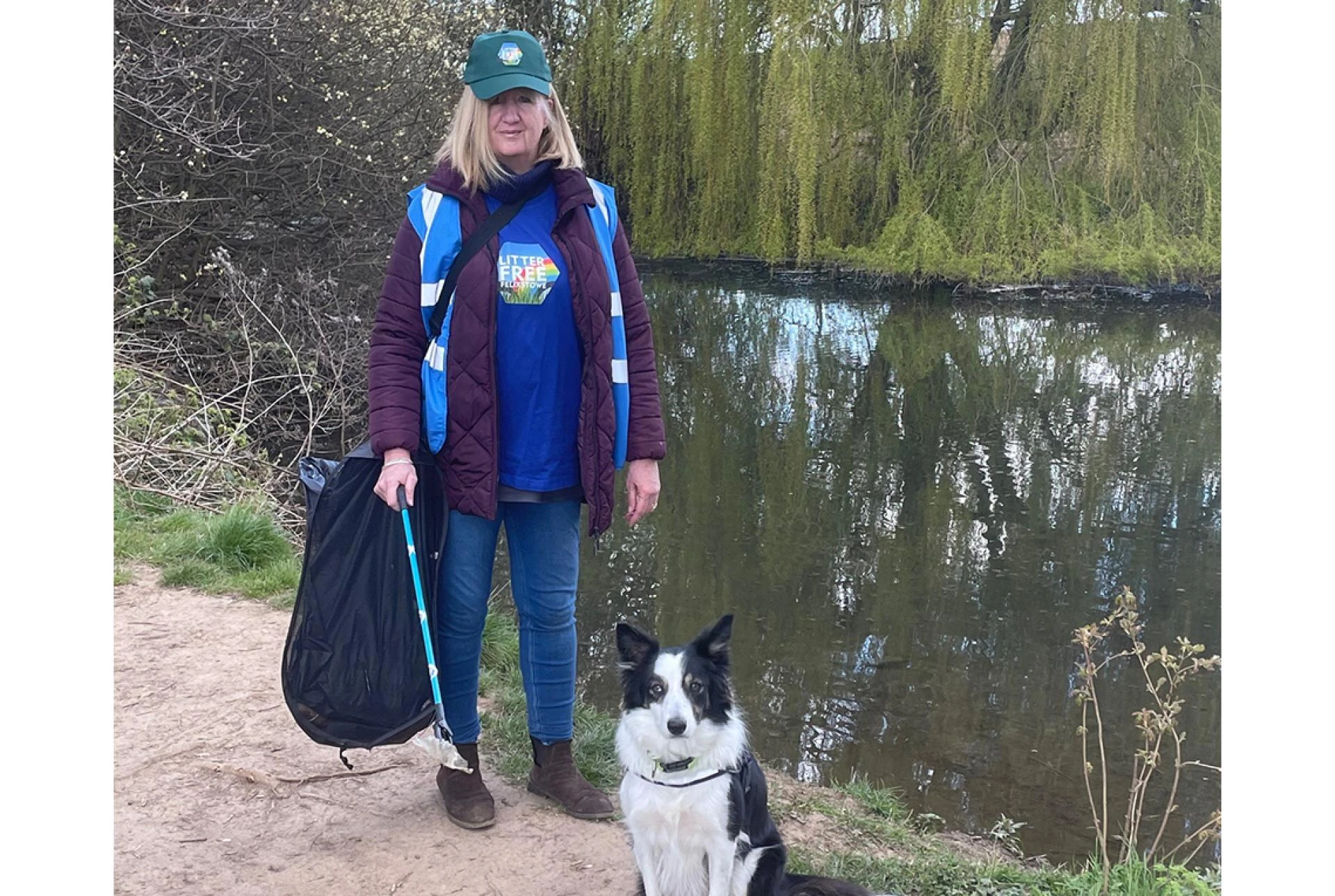
Debbie lives in Felixstowe, a charming seaside town in Suffolk. In 2018, after watching David Attenborough’s Blue Planet, she was moved by the devastating scenes of plastic pollution in our oceans. But rather than feeling helpless, she acted. And not just by changing personal habits, but by creating a movement.
She founded Litter-Free Felixstowe, a grassroots initiative to clean up beaches, parks, and public areas through volunteer-led community action. What started with one person soon grew to include over 1,500 members: residents, children, parents, and even local businesses.
Her most passionate focus? Children.
Debbie believed, and still does, that children are the heart of change. They are deeply perceptive, often outraged by injustice, and ready to help if they’re given something real to do.
That belief is what eventually evolved into Mother Nature’s Letter, a children’s book that gives voice to the Earth, and invites children to become its caretakers.
How Parents Can Anchor Global Ideas in Local Experiences
One of the challenges of parenting school-aged children in the modern world is how much they're absorbing without fully understanding. They hear snippets: climate change, endangered animals, melting ice. But without context, those concepts can feel overwhelming or meaningless.
Here’s where local action matters. If you can connect those big ideas to real-life, hands-on experiences, children not only understand them but they care about them.
Here are a few simple ways to do just that:
1. Look Around, Together
Take a walk around your neighbourhood and observe what’s thriving and what’s struggling. Are there wildflowers or just concrete? Can you hear birds? Is there litter in the gutter?
Let your child notice, name, and reflect. These observations become the seeds of awareness.
2. Join (or Start) a Small Community Effort
You don’t need to launch a full campaign like Litter-Free Felixstowe to make a difference. Even a small family-led litter pick or tree planting session shows children that action doesn’t have to be complicated to be meaningful.
It’s the doing that teaches.
3. Connect Books to Real-World Action
When you read a story like Mother Nature’s Letter, ask your child:
- “If Mother Nature visited our street, what would she say?”
- “What letter would you write back to her?”
- “What’s one thing we could do for the planet this week?”
These questions bridge the gap between imagination and action.
Learning Happens When They Feel It
For children aged 5–8, education isn’t just what happens at school—it’s how they make sense of the world. Books, walks, conversations, and routines are all part of it.
In Mother Nature’s Letter, when Mother Nature realises her planet is hurting, she turns to the one group often left out of climate conversations: children. She doesn’t tell them what to do. She asks for their help. She respects them. And that subtle shift is powerful.
It reflects what parenting experts often remind us: children rise to the level of trust we place in them.
When we model action, whether it’s sorting recycling together or choosing not to buy something wrapped in plastic, we’re showing our children how to live with care. And when we share stories that reflect their capacity for good, we’re reinforcing that belief.
One Family, One Street, One Town
The big problems of the world can feel insurmountable. But if we teach our children that their world, their block, their garden, their local beach—matters, they begin to understand that every small action contributes to something bigger.
That’s what Felixstowe did for Debbie Bartlett. And that’s what she hopes Mother Nature’s Letter will do for the next generation.
Because when a child picks up a crisp packet from a pavement, writes a letter to a councillor about a tree being cut down, or decides to save a bee instead of swatting it—that’s where eco-literacy truly begins.
It begins not with the news, but with their neighbourhood.
Final Thought
We often hear the phrase “think globally, act locally.” But when you’re five years old, local is the world. If we want children to understand the bigger picture, we have to start by helping them care about the smaller one.
So next time you head outside with your child, take a moment to look at your corner of the world through their eyes—and ask, what would Mother Nature write to us?