Asthma is one of the most common chronic conditions affecting children worldwide. For years, families and healthcare providers have sought better ways to manage symptoms, prevent flare-ups, and improve overall quality of life. Today, thanks to groundbreaking child asthma research studies, we are entering a new era of understanding. These studies are not only reshaping how we approach pediatric asthma treatment but are also offering hope to millions of families. Let’s explore what the latest findings reveal and why this research could be a game-changer.
Understanding Childhood Asthma
Childhood asthma is a chronic condition in which the airways in a child's lungs become inflamed and narrowed, leading to difficulty breathing. Symptoms often include wheezing, coughing, shortness of breath, and chest tightness. These symptoms can vary from mild to severe and may be triggered by allergens, physical activity, cold air, or respiratory infections.
For years, treatment primarily focused on symptom management—using inhalers, avoiding triggers, and emergency care when flare-ups occurred. However, recent advances in child asthma research studies are showing that we can do much more.
Personalized Treatment Through Genetic Insights
One of the most promising areas of research has been in the field of genetics. Scientists have begun to identify genetic markers that influence how children respond to different asthma treatments. This means that in the near future, doctors may be able to tailor treatment plans to each child’s unique genetic makeup. Imagine a world where medication is selected not by trial and error but by what your child’s DNA says will work best.
In addition, researchers have discovered that certain gene-environment interactions play a critical role in asthma development. For example, a child with a particular genetic predisposition might only develop asthma if exposed to secondhand smoke or urban pollution. This knowledge empowers parents and healthcare professionals to take preventative action earlier.
Early-Life Interventions That Make a Difference
Many recent child asthma research studies focus on early-life exposures and their impact on asthma development. Factors such as delivery method (C-section vs. natural birth), breastfeeding, early antibiotic use, and even pet exposure are being linked to asthma risk.
One pivotal study revealed that children exposed to diverse environmental microbes in infancy—such as those from pets or farm life—had a significantly lower risk of developing asthma. These findings support the “hygiene hypothesis,” which suggests that a lack of early microbial exposure may hinder immune system development.
Such insights are shifting the way we think about infant care. Pediatricians are now more cautious when prescribing antibiotics and are more supportive of moderate pet exposure in homes with newborns. These small shifts in early-life practices could reduce asthma cases significantly over the long term.
The Gut-Lung Connection
Another area that has gained significant attention is the gut-lung axis. This emerging field examines how gut health impacts respiratory conditions, including asthma. Studies show that children with diverse and balanced gut microbiomes tend to have lower asthma risk. Probiotic use, diet diversity, and reduced antibiotic exposure all play key roles.
With these discoveries, more pediatric asthma treatment strategies now include recommendations for gut-friendly diets and possibly probiotics. These additions can enhance immune function and reduce inflammatory responses in the airways, providing a more holistic approach to asthma care.
Environmental Justice and Asthma Disparities
It’s impossible to talk about asthma without acknowledging its unequal impact. Child asthma research studies have consistently shown that children in low-income communities and minority populations suffer from higher asthma rates and worse outcomes. Factors such as poor air quality, limited access to healthcare, and housing conditions all contribute to this disparity.
Fortunately, research is driving policy change. Community-based studies are highlighting environmental triggers specific to neighborhoods, which is encouraging local governments to implement cleaner air initiatives, safer housing regulations, and school health programs. When we understand the broader environmental context of asthma, we can create healthier spaces for all children to thrive.
Technology's Role in Asthma Management
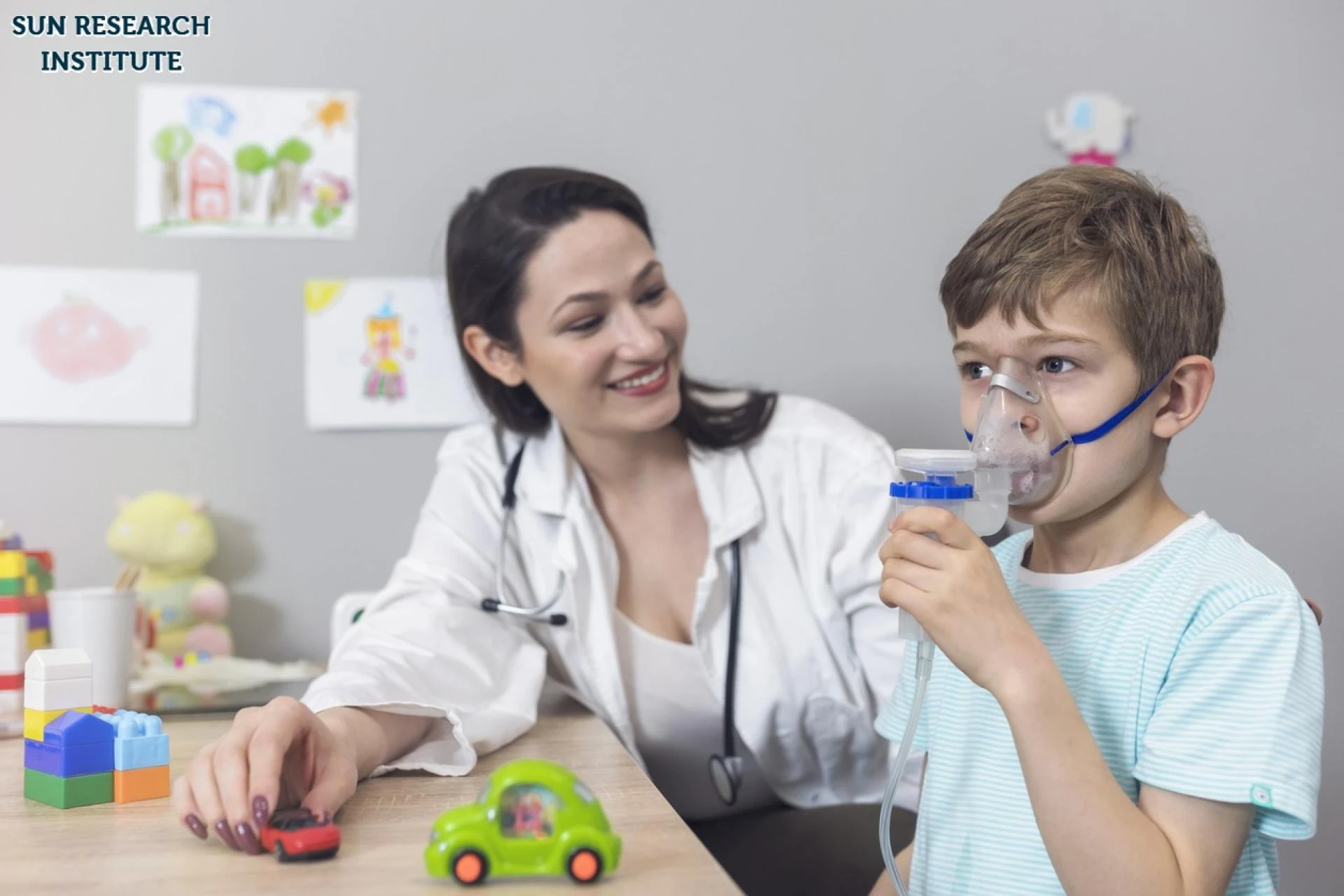
Innovations in technology are also improving asthma outcomes. Smart inhalers that track medication use and provide reminders are already making a difference in adherence. Mobile apps help families log symptoms, identify triggers, and share real-time data with healthcare providers.
In conjunction with findings from child asthma research studies, technology is turning passive treatment into proactive management. Families are better informed, more engaged, and empowered to take control of their child’s health.
Learning from Adult Asthma Research Studies
While child asthma presents unique challenges, insights from adult asthma research studies are helping to bridge gaps in understanding. Adults with long-standing asthma offer clues about disease progression, long-term medication effects, and risks of developing other conditions like COPD.
These findings are being applied in pediatric research to identify early warning signs in children that could indicate future complications. By comparing outcomes across age groups, researchers can develop prevention strategies that span a lifetime. Furthermore, adult asthma research studies often include larger data sets, which can validate trends observed in smaller pediatric cohorts.
How This Research Is Changing Lives
The practical implications of these studies are already being felt. More accurate diagnosis, earlier intervention, targeted treatments, and improved education are reducing hospital visits and emergency interventions. Families now have access to resources that go beyond medication—including nutritional advice, air quality monitoring, and mental health support.
Parents are reporting better quality of life for their children, fewer school absences, and improved sleep patterns. Children are growing up more confident and active, no longer defined by their asthma but empowered to manage it effectively.
What Parents and Caregivers Can Do
If you’re a parent or caregiver of a child with asthma, staying informed is one of the best things you can do. Talk to your pediatrician about the latest research and ask whether your child might benefit from personalized treatment plans or environmental assessments. Advocate for clean air initiatives in your community, and consider joining a local asthma support group or study.
Understanding that asthma is not a one-size-fits-all condition is crucial. What works for one child may not work for another—but with ongoing research, we are closer than ever to creating individualized care plans that make a real difference.
Looking Ahead
The journey of asthma care has come a long way, but the work isn’t over. Continued funding, broader participation in studies, and equitable healthcare access will be key to the next wave of breakthroughs. With the power of science, community, and innovation, we’re not just managing childhood asthma—we’re changing lives.
As child asthma research studies evolve and intersect with insights from adult asthma research studies, the future looks brighter than ever for children with asthma and their families. By turning knowledge into action, we are giving the next generation the gift of easier breathing and healthier living.