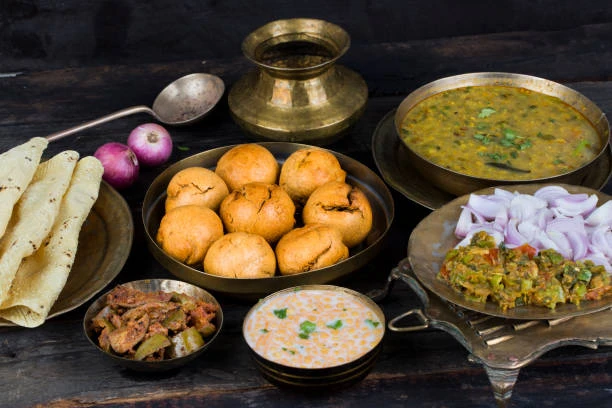
Rajasthan, the land of royal heritage, vibrant culture, and timeless traditions, is equally celebrated for its cuisine that reflects its rich history and geographical diversity. The culinary identity of Rajasthan is deeply intertwined with its desert landscape, scarcity of water, and the royal legacy that shaped its flavors and cooking techniques. Whether you are embarking on a food tour in India or exploring the streets of Jaipur or Jodhpur, Rajasthani food tells stories of valor, hospitality, and ingenious adaptation.
The Historical Essence Behind Rajasthani Cuisine
The origin of Rajasthani cuisine dates back to the royal kitchens of Rajputana, where dishes were crafted to suit the tastes of kings and warriors. Due to frequent battles and harsh desert conditions, the food was designed to be long-lasting, nutritious, and easy to store. Ingredients like ghee, gram flour, and dried spices became essential to ensure longevity and richness. Over time, the royals’ indulgent recipes merged with the simplicity of rural cooking, creating a unique culinary balance between opulence and practicality.
Signature Dishes that Define Rajasthan
The state is known for its wide variety of dishes that embody distinct flavors, textures, and techniques. Daal Baati Churma remains the most iconic of all, symbolizing the spirit of Rajasthan. Crispy baked baatis soaked in ghee, served with spicy daal, and topped with sweet churma form a wholesome combination. Similarly, Gatte ki Sabzi—gram flour dumplings cooked in yogurt gravy—is a testament to how Rajasthanis creatively use basic pantry ingredients. Other signature dishes include Ker Sangri, Laal Maas, Bajre ki Roti, and Panchmel Dal, each contributing to the state’s gastronomic diversity.
Influence of Climate and Geography
Rajasthan’s arid climate has significantly shaped its cuisine. The scarcity of fresh vegetables and water led to the use of dried ingredients and minimal cooking methods. Instead of water, ghee and buttermilk became the preferred mediums for cooking, which also enhanced flavor and preservation. Spices like red chili, turmeric, coriander, and asafoetida were used not only for taste but also for their preservative qualities. This combination of necessity and innovation gave rise to dishes that are both flavorful and sustainable in extreme conditions.
Vegetarian and Non-Vegetarian Harmony
While Rajasthan is widely recognized for its vegetarian delicacies, thanks to its Marwari community, it also boasts some of India’s most flavorful meat dishes. The Rajputs, being fierce warriors and hunters, introduced rich, spicy preparations such as Laal Maas and Safed Maas. Laal Maas, cooked with fiery Mathania red chilies, exemplifies royal indulgence and boldness, whereas Safed Maas, prepared in curd and cashew-based gravy, represents subtle sophistication. On the other hand, vegetarian dishes like Papad ki Sabzi and Moong Dal Halwa highlight the creativity of vegetarian households in making simple ingredients extraordinary.
The Art of Rajasthani Hospitality
Hospitality is at the heart of Rajasthani food culture. Serving meals with warmth and abundance is considered a matter of honor. Every meal, from royal feasts to rural homes, embodies the principle of “Padharo Mhare Desh”—a heartfelt invitation to guests. Meals are traditionally served on large thalis, featuring a variety of flavors from sweet to spicy, ensuring every palate is satisfied. The balance of textures and tastes reflects not just culinary expertise but also the ethos of togetherness.
Street Food Culture: A Burst of Flavors
Beyond the royal kitchens, Rajasthani street food has gained immense popularity among travelers and food lovers. Cities like Jaipur and Jodhpur offer vibrant food trails that bring local culture alive through taste. A Jaipur food walk tour introduces visitors to authentic snacks like pyaaz kachori, mirchi vada, and ghewar—each bite capturing the soul of the Pink City. Meanwhile, the Jodhpur street food tour celebrates the city’s blue lanes filled with the aroma of makhaniya lassi, mawa kachori, and dal pakwan. These tours are not just about tasting food—they are immersive journeys through tradition, storytelling, and local interaction.
Use of Spices and Cooking Techniques
What truly distinguishes Rajasthani cuisine is its mastery of spice blending and traditional cooking methods. Each spice is used thoughtfully to enhance flavor without overpowering. Dry roasting, slow cooking, and deep frying are common techniques that bring out the richness of each dish. Clay ovens and brass utensils are still used in many households to retain authenticity. Even in modern kitchens, these age-old techniques are cherished, keeping the culinary heritage alive.
Festive and Sweet Delights
No Rajasthani meal is complete without sweets. From Ghewar and Malpua to Mawa Kachori and Balushahi, desserts occupy a special place in Rajasthani feasts. Each sweet dish is often tied to a festival or celebration, making it part of the cultural rhythm of the state. During festivals like Teej and Gangaur, sweet offerings symbolize joy, devotion, and togetherness, creating emotional connections beyond taste.
Why Rajasthani Cuisine Stands Out
The uniqueness of Rajasthani cuisine lies in its balance of flavor, resilience, and creativity. Every dish tells a story of adaptation—how people thrived in a desert environment using limited resources. Its royal influence, combined with humble village traditions, makes it one of the most authentic culinary experiences in India. Beyond just food, Rajasthani cuisine is an embodiment of culture, history, and identity.
Experience Rajasthani Cuisine with Rasrover
For those eager to explore the real taste of Rajasthan, Rasrover offers curated culinary experiences that connect travelers with local traditions. Through guided food walks, interactive cooking sessions, and authentic street food explorations, Rasrover transforms dining into discovery. Whether you’re tasting royal curries, savoring sweets, or walking through bustling bazaars, each experience immerses you deeper into the state’s culinary charm.
Rajasthani cuisine is not just about recipes—it’s a living legacy of innovation, tradition, and heartfelt hospitality. Its uniqueness comes from the people who preserved it through centuries, passing down their wisdom from one generation to another, ensuring that every bite tells a story of Rajasthan’s vibrant soul.