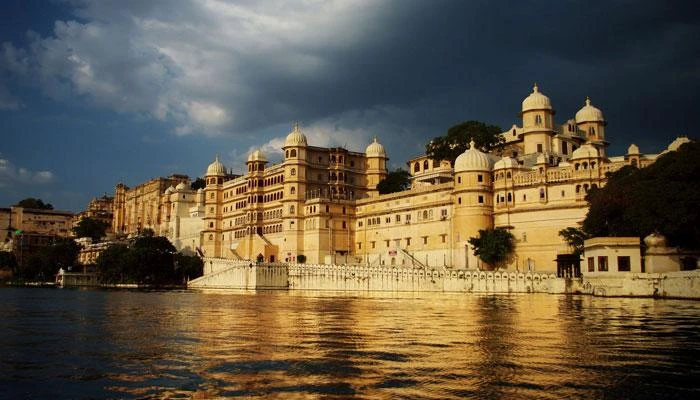
Mewar, the historic region of Rajasthan, is more than just a scenic expanse of forts, palaces, and hills—it is a living testament to India’s legacy of valor and endurance. Nestled in the Aravalli range and centered around Udaipur, Mewar has earned its reputation as a symbol of unyielding courage and selfless sacrifice. This reputation was carved through centuries of resistance against powerful adversaries and unwavering commitment to honor. Today, whether you are exploring the city or planning a cultural trip, booking a trusted Udaipur Taxi Service can help you journey through this land of heroic pride.
The Legacy of Maharana Pratap: Epitome of Valor
One cannot speak of Mewar’s courage without invoking the name of Maharana Pratap. Revered across India, Maharana Pratap’s stand against the Mughal emperor Akbar in the Battle of Haldighati in 1576 defines resistance in Indian history. Despite being heavily outnumbered and under-resourced, he refused to surrender. His life in exile, living off forest produce and enduring harsh conditions with his family, is legendary. He chose dignity over submission, inspiring generations to stand firm in the face of tyranny.
The Rajput code of honor, shaped deeply by Maharana Pratap’s ideals, became an unwritten constitution in Mewar’s history. He was not just a ruler, but a warrior-king whose sacrifices etched a legacy that no conqueror could erase. This historical narrative continues to resonate among the locals and forms an essential part of Rajasthan’s identity.
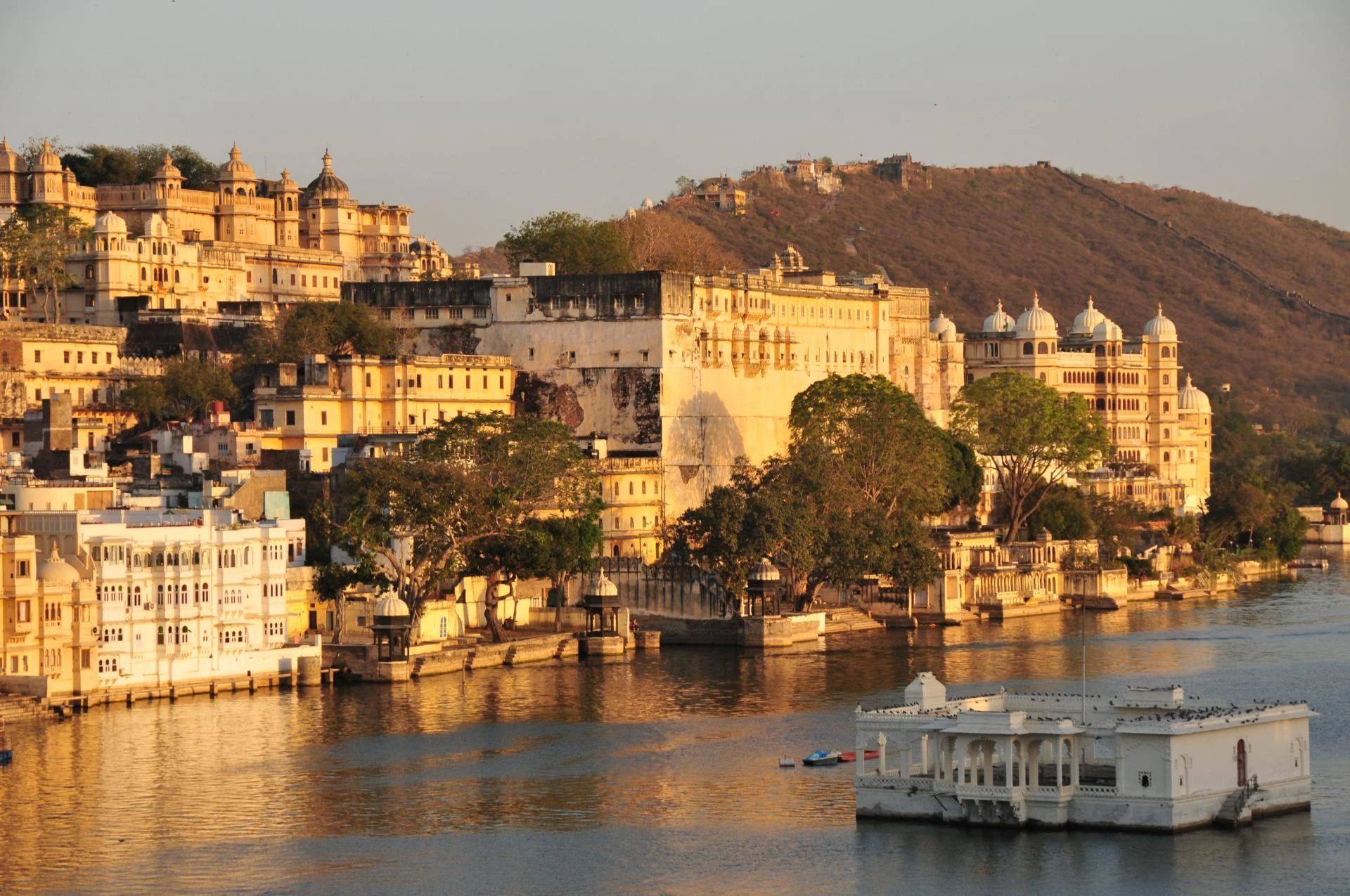
Chittorgarh Fort: A Citadel of Heroic Resistance
A visit to Chittorgarh Fort is an emotional pilgrimage into the past. It has witnessed some of the most dramatic and soul-stirring tales of sacrifice in Indian history. The fort is closely associated with multiple episodes of “Jauhar,” where Rajput women, led by queens like Rani Padmini and Rani Karnavati, chose self-immolation over capture and dishonor.
The repeated invasions by Alauddin Khilji, Bahadur Shah of Gujarat, and the Mughals couldn’t shatter the indomitable spirit of Chittor. Each battle fought here was a reflection of Mewar’s resolve to never submit to foreign rule. The very soil of this fort echoes with the sound of clashing swords and immortal last stands.
For travelers seeking to witness this history firsthand, choosing a comfortable Udaipur to Chittorgarh local taxi service offers a seamless way to connect with this hallowed land.
The Role of Rajput Women: Silent Pillars of Strength
While the men of Mewar drew swords on the battlefield, the women forged their own kind of bravery. Their decisions to perform Jauhar, manage affairs in the absence of rulers, and raise future warriors showcased a different but equally important form of courage. Rani Padmini’s decision to end her life in fire rather than be subjugated by Khilji wasn’t just an act of martyrdom—it was a political statement of defiance and dignity.
Even in peaceful times, Rajput women played critical roles in preserving the culture and integrity of Mewar. They passed on tales of valor and patriotism through oral traditions, keeping the flame of resistance alive across generations.
Architectural Heritage as a Reflection of Identity
The palaces, step-wells, and temples of Mewar are more than architectural marvels—they are chronicles carved in stone. City Palace in Udaipur, the Vijay Stambh (Tower of Victory) in Chittorgarh, and the temples dedicated to Shakti symbolize the symbiotic relationship between spiritual strength and military might.
Each structure tells a story of kings who patronized the arts while defending their lands. These monuments weren’t built merely to impress—they were designed to endure, to tell the story of a people who did not bend. For those exploring Udaipur’s rich heritage, booking a Udaipur sightseeing taxi allows for an immersive journey through these living museums.
A Culture Rooted in Resistance
Mewar’s folklore, music, dance, and festivals all carry the undertones of defiance and pride. From the fiery "Ghoomar" dance performed by Rajput women to the ballads sung by bards remembering fallen heroes, every cultural artifact of Mewar serves as a reminder of its tumultuous and glorious past.
The annual Maharana Pratap Jayanti is not merely a celebration but a reaffirmation of regional identity. People from across Rajasthan gather to honor the warrior who became a symbol of resistance and pride.
Modern Mewar: Tradition Meets Progress
Today, while Mewar continues to modernize and evolve, its past is never forgotten. The descendants of the royal family have transitioned into custodians of culture, preserving age-old traditions while promoting tourism and development. Udaipur, with its blend of history and hospitality, continues to draw travelers, scholars, and heritage enthusiasts from around the world.
Educational initiatives, restoration of heritage sites, and promotion of Rajputana values among youth reflect how Mewar remains relevant in contemporary times. It has not fossilized into a mere historical artifact but lives on dynamically in the lives of its people.
Conclusion: Mewar's Timeless Message
The story of Mewar isn’t just about kings, queens, and battles—it’s about a civilizational will to survive and uphold principles. It teaches us that honor is not for sale, courage is not inherited but earned, and sacrifice is not always about victory, but about refusing to accept defeat.
As you walk through the courtyards of Udaipur or gaze upon the battle-scarred walls of Chittorgarh, you're not just witnessing stone structures—you’re standing in the footprints of those who chose honor over life. Mewar’s legacy serves as a mirror to our conscience, urging us to remain brave, just, and uncompromising in our values.