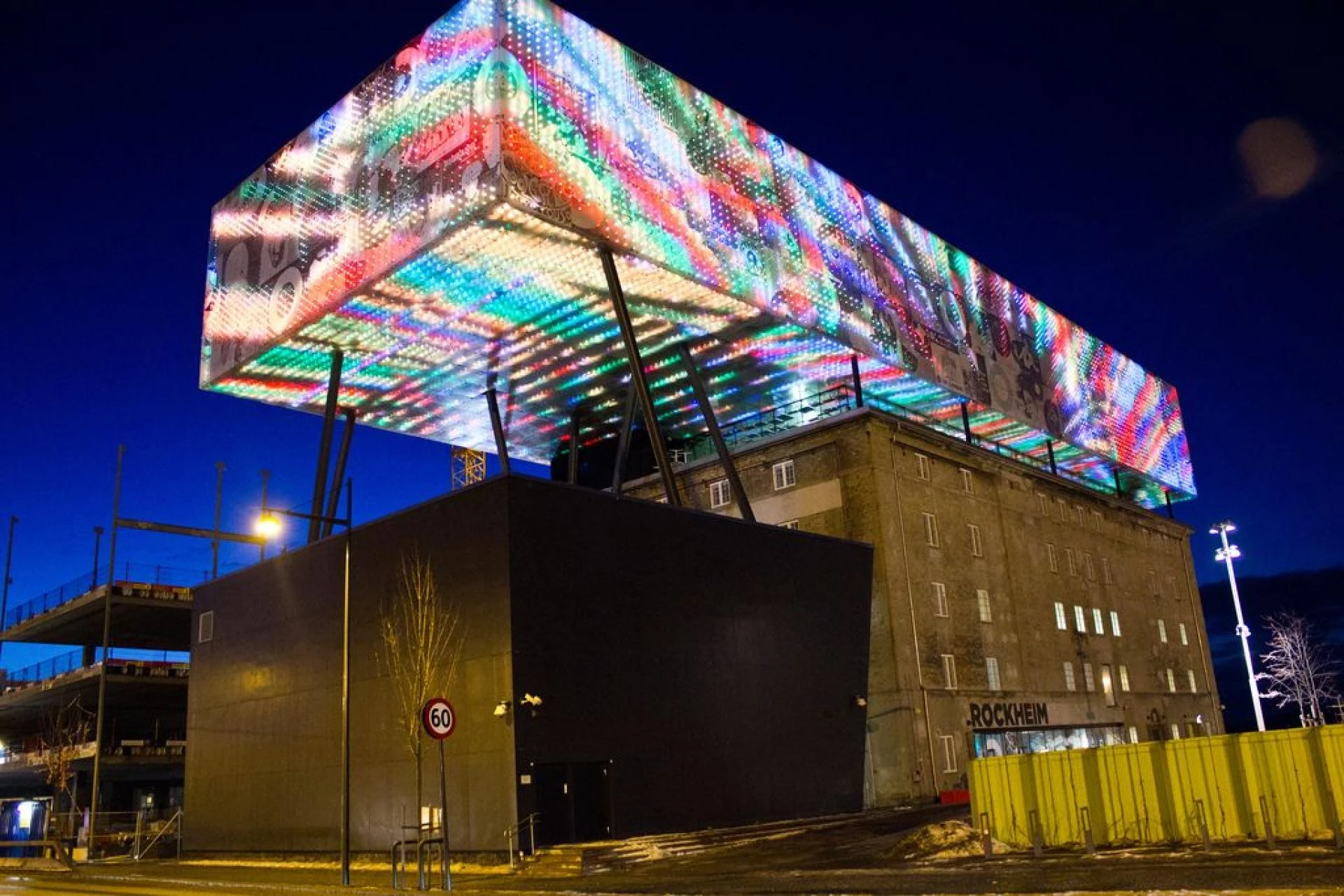
Latelly, there have been many media facades on buildings. This has evolved into a major trend in modern architecture and urban design. These facades are not just windows like in earlier times, but serve as a digital canvas that combines technology, creativity and function. They turn the outer walls into interactive spaces showing graphics, adverts, art or even real-time data from anywhere on Earth. This new method of application changes our urban landscape: A building now becomes a dynamic communications platform which can be seen from everyone who goes about their lives in the city below.
Understanding Media Facades
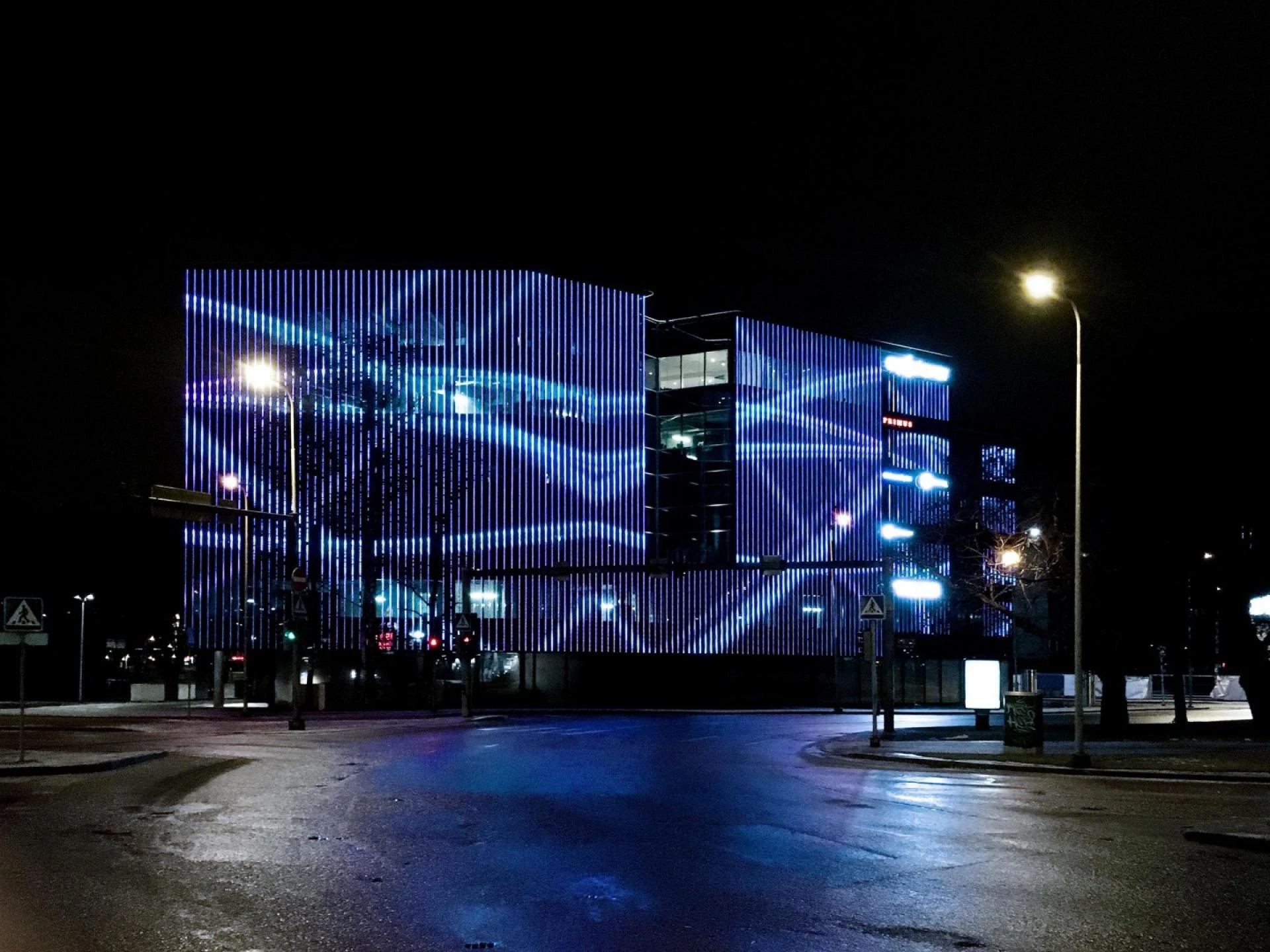
A smart building facade interfaces with LED screens, projection systems, and other digital technology that makes the exterior come alive using light. Media facades merge into the building’s structure. You won’t be able to find any sign of them, and this kind of invisibility will make for a neat, modern look. Even more important, media facades create a powerful visual effect that catches the attention and holds it. They permit architects and designers to make both the façade of a building a work of art, and its communication techniques highly advanced.
Benefits of Media Facades on Buildings
Another advantage is that immediate and powerful draw media facades have. Too much outdoor action, draw the eye from several product lines and the relativity is gone. These simple facades stand out and are a breed apart from the ornate billboard-choked cities of the west. They provide an ideal medium for brand publicity, public notifications and cultural expressions.
In addition to media- facade advertising, media Walls also play an active role in creativity. Their use includes displaying art installations, transmitting cultural messages and live events. In this way, a sense of neighbourhood is engendered which is good for public space too. As a byproduct they can increase a building’s commercial value and endow it with the status of a feature that attracts both residents and tourists.
Technology Behind Media Facades
The technology driving media facades has evolved rapidly. High-resolution LED panels, energy-efficient lighting systems, and smart control software are commonly used. These systems allow for real-time content updates and interactive features. For example, some facades are programmed to change visuals based on environmental factors such as time of day, weather, or public interaction. This adaptability makes them versatile for a variety of applications.
Environmental and Social Impact
Modern media facades are designed with sustainability in mind. Many use energy-efficient LEDs that consume less power while still delivering bright and impactful visuals. Some systems even integrate renewable energy sources like solar panels, reducing their carbon footprint.
On a social level, media facades can serve as tools for communication beyond advertising. Cities have used them for emergency alerts, community announcements, and awareness campaigns. By doing so, they help strengthen the bond between public spaces and the people who live in them.
Applications in Urban Spaces
Media facades are not limited to commercial buildings. They are now being integrated into cultural centers, airports, stadiums, and government buildings. For instance, during international events, entire city blocks light up with synchronized displays that celebrate global unity and local identity. This demonstrates how media facades can go beyond commercial interests to become part of a city’s cultural and architectural identity.
Challenges to Consider
In addition to its many benefits, a media facade also has challenges. However, the installation and maintenance costs are high, making them suitable mainly for large-scale projects. Finally, content managment also needs to think about how the visuals will stay engaging, appropriate and relevant. Another issue requiring great care is the following: designers must be soberly aware of how in urban areas large amounts pollution lighting may make undesirable changes to both flora and fauna.
Also Read This
Is LED Pixel Lighting the Smart Choice for Modern Projects in Dubai?
Conclusion
media façades have changed buildings' relationships with people and environments. With their means of communication, branding and cultural expression they are powerful us for making cityscape prettier and more modern at that. Progressing though technical change only strengthens its importance in the future of architecture. When businesses or organizations need to create spectacular visuals, the company can link up with experts in this area like Star Facade Lighting so innovation and creativity actually happen for every project.
Tags:
media facades
modern architecture
urban design