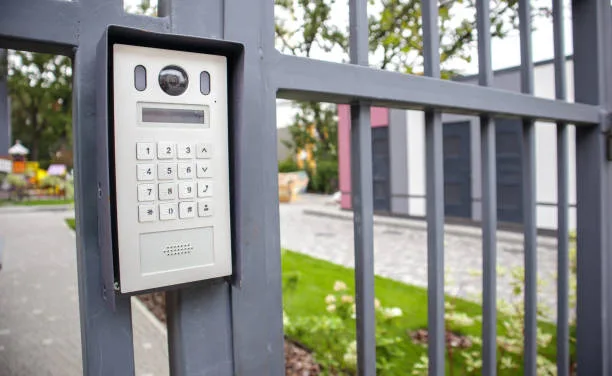
A keypad system provides secure entry by allowing users to access a property through a unique PIN code instead of a traditional key. Similar to entering a password on a device, users simply input the correct combination on the keypad to unlock a gate or door. Each authorized person can have a separate code, and access credentials can be updated whenever needed to maintain better security control.
Why Keypad Systems Are Becoming More Popular
The growing popularity of Keypad Gate Entry Systems comes from their simplicity, flexibility, and convenience. They eliminate the need for physical keys that can be lost, copied, or shared without permission. Businesses, residential communities, and commercial properties can easily manage access by assigning unique codes based on users, schedules, or security requirements. With quick entry and better control, keypad systems provide a practical solution for modern access management.
Multi User Access Explained In Keypad Systems

Multi User Access Explained?
What happens is different people share a system but still keep separate access through individual codes. Not relying on a single shared password, each person uses a personal digital ID instead
Common Use Cases
A building might house dozens of people, each needing their own way in. Picture an office: workers come and go, guests arrive, cleaners move between floors - all at once. One person types a code for the lobby, another punches six numbers just to reach the basement. Some keys stay lit every night, others change weekly. Access splits itself naturally when routines differ. A number pad handles shifts like clockwork, no cards required.
Keypad Systems Storing and Managing User Codes
Unique Code Allocation
A single number combination goes to every person. Tracking who comes and goes becomes straightforward that way. When an incorrect attempt happens - especially if repeated - detection kicks in without delay.
Secure Code Storage with Encryption
Codes sit safe in today’s setups because they’re locked with math shields. Should a break-in happen, the info stays hidden behind scrambled layers.
Keypad Access by User Role
Assigning Permissions
Who really needs entry everywhere, anyway? With keypad setups, those in charge can hand out access depending on who does what. Take one worker - they get the front entrance, nothing more. A supervisor though? They reach several spots without trouble.
Limited Access Based on Role
One way to stay tidy and safe? Think of it as digital locks on separate doors. Each gets its own key, nothing shared.
Temporary and Scheduled Access Codes
Time-Based Access
Hours pass, then the code stops working - someone gets entry without staying on forever. A keypad sets short-term access so you do not have to check back later.
Guest and Delivery Access
This works well when someone needs access just once, like for dropping off packages or visiting friends. Give them a temporary entry code that stops working either after it's been used or once the clock runs out.
Connecting With Today’s Access Systems
Cloud-Based Systems
Few keypads now live online, tied to remote networks. From any place, a device like your phone takes charge instead.
Remote Management
Suddenly remember that code was still active? Doesn’t matter. From anywhere, change or remove access the moment it hits your mind - no need to be there in person.
Security features designed for efficiency
Anti-Tamper Alerts
Built into the design, a signal fires off the moment fingers pry at the keys. Protection deepens without needing a second thought.
Lockout Mechanisms
Only after a few wrong tries will the system shut down for a short time. Because of this, breaking in by guessing becomes much harder.
Better Access Control with Keyboards for Many People
Scalability
From five people to five hundred, keypads keep up without trouble. When changes happen, updating who has access takes just a moment.
Cost Efficiency
Keys that go missing won’t cause trouble here. Digital handling cuts down on effort plus expense. A solid pick for entry management shows itself clearly now.
Keypad Gate Entry Systems Used in Everyday Settings

Residential Use
Most people pick keypads at home so their relatives can get in without hassle. These entry pads show up a lot where neighborhoods have controlled entrances. Sometimes it's just about skipping keys. Other times, it helps friends who stop by often. You type numbers instead of knocking. Places behind walls tend to like this setup more. Not everyone uses them, but many do. It works when phones aren’t handy. The screen lights up in the dark too.
Commercial Use
Smooth operations start when staff walk in with personal codes. Oversight comes alive through manager review of entry records. Control grows stronger as each login adds clarity. Tracking sharpens without extra effort. Systems respond quietly, doing their job behind the scenes.
Managing Many Users
Regular Code Updates
Fresh access codes now mean fewer surprises later. Changing them often cuts chances of break-ins, while guards stay sharp around the clock.
Monitoring Access Logs
A single trace shows each person, their quality access control system, timing included. Spotting odd behavior becomes possible by looking through these records.
Conclusion
Out of sight, yet always working, keypads guard entrances without drawing attention. Not only do they track who comes and goes, but they also simplify daily operations behind the scenes. Each person gets their own code - no duplicates, just smooth entry every time. Instead of handing out keys, admins assign permissions based on roles, adjusting access as needed. Even when far away, updates happen silently through remote tools built into the system. From small offices to apartment buildings, these setups balance convenience with strong protection. With everything running in the background, users hardly notice it works - until someone tries to bypass it. Security stays tight, routines stay normal, all thanks to unobtrusive digital oversight.
FAQs
1. How many users can a keypad system support?
A single setup might handle hundreds, sometimes stretching into the thousands, based on what version runs inside. Systems today rarely blink at heavy loads, their limits shaped entirely by design choices made long before arrival.
2. Can keypad systems be hacked?
Few things stay totally safe, yet today's keypads wrap data in code plus add layers that quietly lower danger.
3. Someone skips their code - what unfolds then?
With just a few clicks, resetting or giving out a fresh code is something admins handle fast. Hardware stays exactly where it is.
4. Are keypad systems suitable for large businesses?
Folks running bigger teams might find these especially handy when lots of people need entry. What happens next depends on how smoothly things connect across different spots.
5. Do keypad systems require internet access?
Some setups skip it. Others - especially newer ones built online - connect through the web so users can check and adjust them from far away.