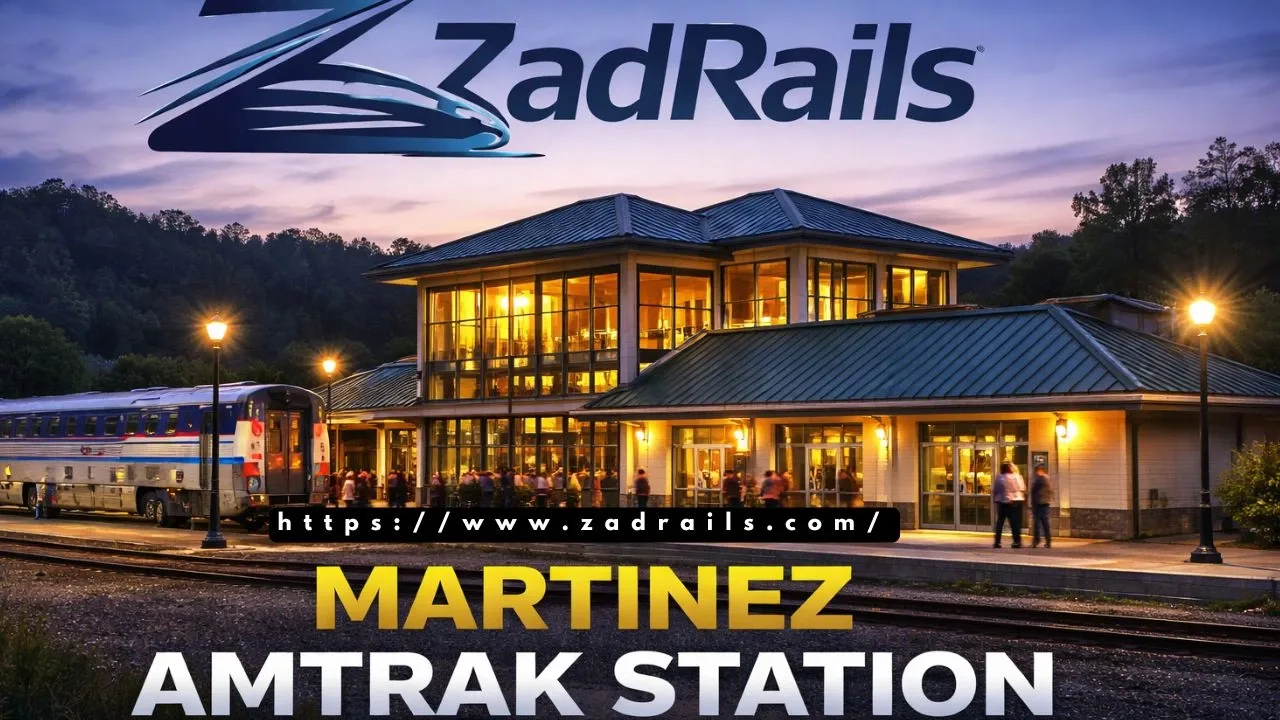
The Amtrak station mtz martinez ca plays a steady role in the rail network of Martinez, California. It is not designed as a large transit hub, yet its importance comes from how effectively it supports regional and long-distance rail movement. Efficiency here is achieved through location, structure, and operational balance rather than size.
Rail systems depend on consistency. Smaller stations often contribute more stability than larger ones, especially when they are positioned along active corridors. This explains why the amtrak station mtz martinez ca continues to function reliably within the broader network.
Strategic Location and Route Alignment
The amtrak station mtz martinez ca is located between Sacramento and the Bay Area. This placement allows trains to operate along direct routes without unnecessary diversions. As a result, travel time remains predictable and schedules are easier to maintain.
Because Martinez sits along a key rail corridor, the station acts as a connecting point rather than a terminal. This reduces congestion and allows trains to pass through efficiently. In addition, nearby communities benefit from improved access to major cities without needing to travel to larger stations.
This positioning improves both accessibility and operational flow. It also supports better coordination across different rail services.
Rail Services and Network Connectivity
The amtrak station mtz martinez ca is served by multiple routes operated by Amtrak. These include Capitol Corridor, San Joaquin, and Coast Starlight.
Each route serves a different function. Capitol Corridor focuses on regional travel between major Northern California cities. San Joaquin connects the Central Valley, offering access to areas that are otherwise less connected by rail. Coast Starlight supports long-distance travel along the West Coast.
The presence of these routes at a single station improves flexibility. Passengers can access different types of services without switching locations. This reduces pressure on larger hubs and distributes passenger flow more evenly across the network.
Station Design and Passenger Movement
The design of the amtrak station mtz martinez ca supports clear and efficient movement. The layout is simple, with direct access from entry points to waiting areas and platforms.
This simplicity reduces confusion. Passengers do not need to navigate complex corridors or multiple levels. Instead, movement from arrival to boarding is straightforward.
Open spaces and natural lighting improve visibility, which helps passengers orient themselves quickly. These features also reduce congestion during boarding and exiting.
Because of this design, passenger flow remains smooth even during peak travel times.
Operational Stability and Scheduling
The amtrak station mtz martinez ca benefits from moderate passenger volume. High-traffic stations often experience delays due to overcrowding and scheduling conflicts. In contrast, Martinez maintains a balanced flow.
Boarding processes are completed quickly, which allows trains to maintain short stop durations. This contributes to consistent scheduling and reduces the risk of delays.
In addition, multiple routes can operate through the station without significant disruption. This creates a stable environment where trains arrive and depart on time more frequently.
Operational stability is one of the key reasons the station continues to perform effectively.
Local Connectivity and Accessibility
The amtrak station mtz martinez ca is integrated with its surrounding environment. Located near central Martinez, it provides access to local transportation and essential services.
Road connectivity allows easy access for passengers arriving by car. Public transit options extend the station’s reach into nearby areas. Because the city experiences lower congestion compared to major urban centers, reaching the station is relatively simple.
This level of accessibility ensures that the station functions as part of a larger transportation system rather than an isolated location.
Role of Travel Information and Planning
Access to accurate travel information improves overall efficiency. Platforms such as ZadRails provide structured insights into routes, schedules, and station roles. This helps clarify how the amtrak station mtz martinez ca fits into the broader rail network.
For official updates, the Amtrak website offers schedule details and service information.
When reliable information is available, planning becomes easier. This reduces uncertainty and improves the overall travel experience.
Comparison With Larger Rail Stations
The amtrak station mtz martinez ca operates differently from major urban stations. Larger stations typically handle higher passenger volumes, which often leads to congestion and delays.
In contrast, Martinez maintains controlled traffic levels. Boarding processes are faster, navigation is simpler, and scheduling remains more consistent.
This comparison highlights an important point. Efficiency in rail systems is not only about size. It depends on how well a station manages its resources and operations.
Key Advantages of the Station
Several factors contribute to the effectiveness of the amtrak station mtz martinez ca:
- Strategic placement along a major rail corridor
- Access to multiple train services
- Simple and functional design
- Balanced passenger volume
- Strong integration with local infrastructure
Each of these elements supports the station’s reliability and long-term performance.
Conclusion
The amtrak station mtz martinez ca demonstrates how efficient rail operations can be achieved through planning and balance. Its location allows direct routing, while its design supports smooth passenger movement. Moderate usage levels help maintain consistent schedules, and integration with local transport improves accessibility.