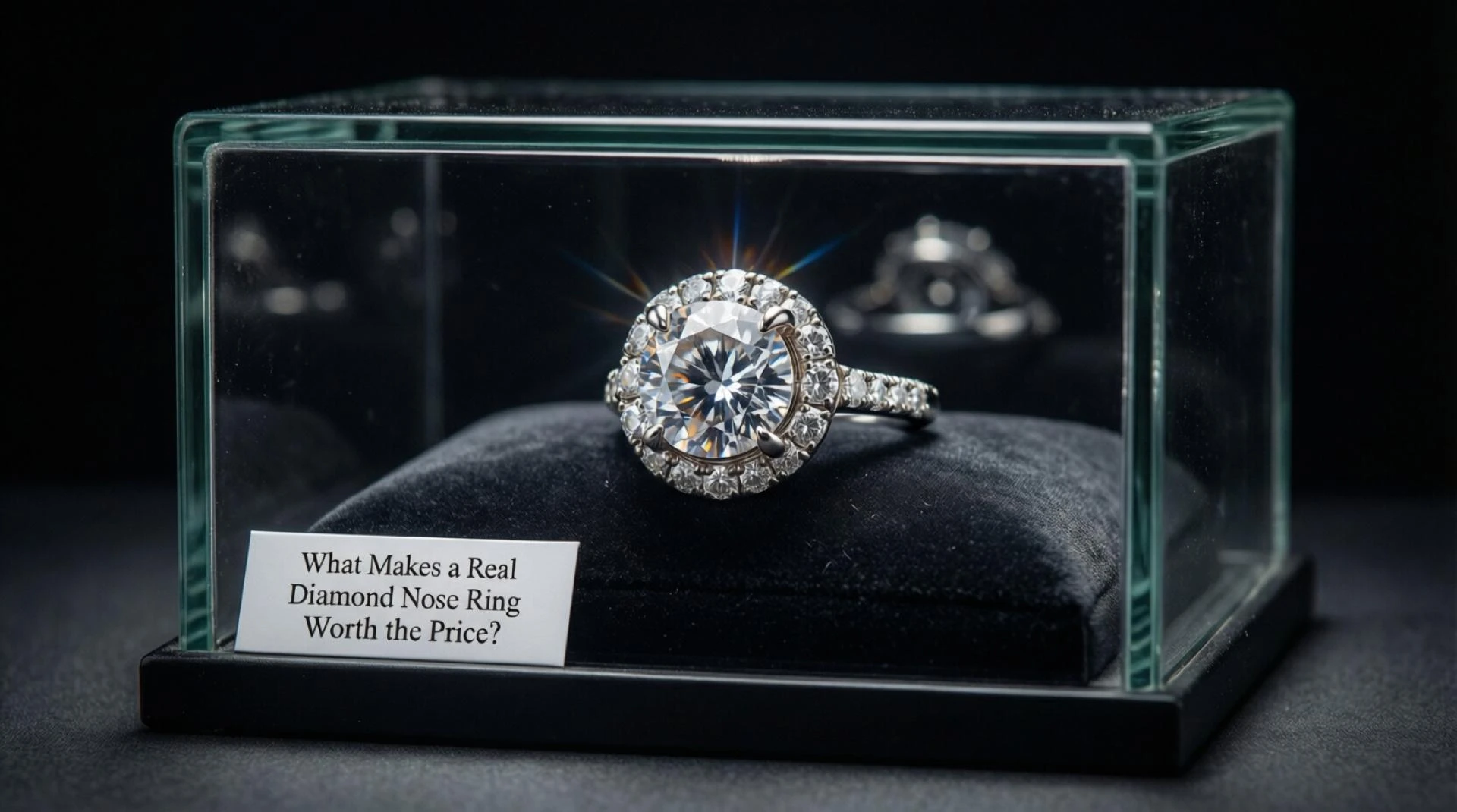
Nose piercings have been around for thousands of years. Today, they remain one of the most popular forms of body jewelry. When shopping for nose jewelry, you might wonder if spending more on a real diamond nose ring actually makes sense. The short answer is yes, but understanding why requires looking at several important factors that affect both quality and value.
Understanding Diamond Quality in Nose Jewelry
Diamonds used in nose rings follow the same grading standards as those in engagement rings. The famous 4Cs apply here too: cut, clarity, color, and carat weight. However, the small size of nose ring diamonds means some factors matter more than others.
Cut quality tops the list. A well-cut diamond sparkles and catches light beautifully. Poor cuts look dull and lifeless. Since nose rings sit in a visible spot on your face, that sparkle makes a real difference in how the jewelry looks.
Clarity matters less for tiny diamonds. Small inclusions that would bother you in a large engagement ring often disappear completely in a stone under 0.10 carats. Most jewelers recommend VS2 or SI1 clarity for nose rings, which offers great value without sacrificing appearance.
Color shows more in smaller stones than you might expect. A near colorless grade of G or H tends to look bright and clean against your skin. Going too low on the color scale can make the diamond appear slightly yellow or gray.
The Difference Between Natural and Lab-Created Diamonds
Both natural and lab-created diamonds are chemically identical. They have the same physical properties, the same hardness, and the same sparkle. The main differences come down to origin and price.
Natural diamonds formed deep underground over billions of years. This rarity adds to their cost. Lab-created versions take only weeks to produce in controlled environments. They typically cost 30 to 50 percent less than natural stones of similar quality.
Some buyers prefer natural diamonds for their history and rarity. Others choose lab-created options for budget or environmental reasons. Both work perfectly well in nose jewelry. The choice comes down to personal values and how much you want to spend.
Why Investing in a Real Diamond Nose Ring Pays Off
Cheap nose jewelry often causes problems. Low-quality metals can irritate your skin or cause allergic reactions. Poorly set stones fall out easily. Fake diamonds lose their shine quickly.
Quality diamonds maintain their appearance for a lifetime. They resist scratching because diamond ranks as the hardest natural material on Earth. You can clean them easily, and they won't cloud over or fade like crystal or cubic zirconia alternatives.
The metal setting matters too. Solid gold, platinum, or titanium work best for piercings. These metals cause fewer reactions and hold up to daily wear. Quality settings grip the diamond securely so you won't lose your stone.
Think about cost per wear. A $200 diamond nose ring worn daily for ten years costs about five cents per day. A $30 fake that needs replacing every year actually costs more over time. Plus, you avoid the hassle of constant shopping and the risk of reactions from inferior materials.
How to Spot Quality When Shopping
Buying diamond nose jewelry online or in stores requires some knowledge. Here are key things to check before purchasing.
Ask for certification on larger stones. While tiny accent diamonds rarely come with papers, any stone above 0.15 carats should have grading documentation from a reputable lab like GIA or IGI.
Examine the setting carefully. Prongs should be smooth and even. Bezel settings should wrap completely around the stone edge. Poorly finished settings scratch your nose and loosen over time.
Check the backing or post. Straight posts, screws, and L shapes each suit different nostril piercings. Make sure the gauge matches your piercing hole. Most nose piercings use 20- or 18-gauge jewelry.
Buy from established jewelers who specialize in body jewelry. They understand the unique needs of piercings and can help you find the right fit.
Caring for Your Diamond Nose Ring
Proper care keeps your investment looking its best. Clean your nose ring weekly with mild soap and warm water. Use a soft toothbrush to remove buildup around the diamond and setting.
Avoid harsh chemicals near your jewelry. Perfume, hairspray, and cleaning products can damage metal settings over time. Put your nose ring in after applying these products.
Store loose nose rings in a soft pouch or lined jewelry box. This prevents scratching from contact with other pieces.
Have a jeweler check the setting once a year. They can tighten prongs and ensure your diamond stays secure.
Making Your Decision
Buying quality jewelry for your nose is a personal choice. Some people feel fine with basic options. Others want something special that will last.
Consider how often you wear nose jewelry. Daily wearers benefit most from investing in quality. Weekend or occasional wearers might not need to spend as much.
Think about your style goals too. A real diamond nose ring adds subtle luxury to any look. It catches light in a way that fake stones simply cannot match. That natural sparkle turns heads without being flashy or overwhelming.
Price reflects quality in most cases. Very cheap diamond nose rings often use inferior stones, weak settings, or metals that cause irritation. Spending a bit more usually means better materials and craftsmanship that will serve you well for years to come.
In the end, a genuine diamond nose ring represents both beauty and practical value. It handles daily life without losing its shine. It complements your appearance naturally. And it lasts long enough to make the investment worthwhile.