
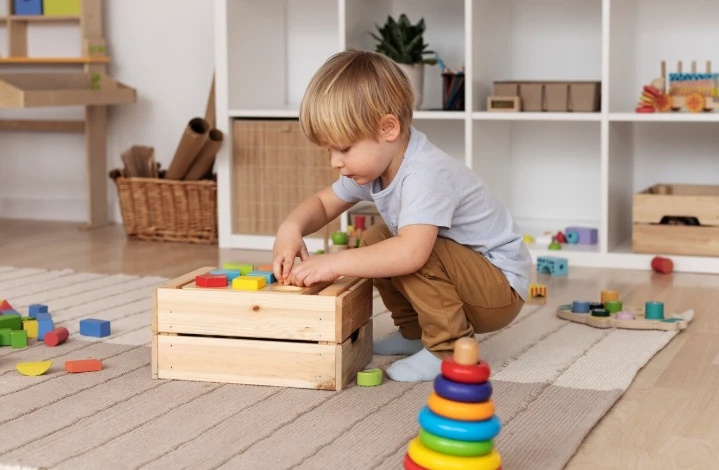
Choosing a nursery is one of the most important decisions families make in the early years of a child’s life. It is not just about finding a place where children are looked after while parents work. A good nursery experience supports a child’s emotional wellbeing, learning, confidence, and sense of belonging while also giving families peace of mind and trust.
Every family wants to feel confident that their child is safe, happy, and thriving. A positive nursery experience is built on many small but meaningful elements working together. When these elements are in place, children settle more easily and parents feel reassured that they have made the right choice.
A Warm and Welcoming Environment
The first impression of a nursery matters. Families should feel welcomed from the moment they walk through the door. A good nursery environment feels calm, friendly, and organized. It should look and feel like a place where children are respected and valued.
A welcoming nursery often includes:
- Bright, clean, and well organized spaces
- Child sized furniture that supports independence
- Calm areas for rest and quiet play
- Engaging resources that encourage curiosity and creativity
When children feel comfortable in their surroundings, they are more likely to explore, learn, and build positive relationships.
Caring and Qualified Staff
At the heart of every great nursery are the people who work there. Children form strong emotional bonds with their caregivers, and families need to trust the adults supporting their child each day.
Good nursery staff are:
- Warm, patient, and attentive
- Well trained and experienced in early years education
- Good listeners who understand each child’s needs
- Consistent in their care and routines
Strong relationships between children and educators help children feel secure. When children feel emotionally safe, they are more confident to try new things and engage in learning.
Strong Communication with Families
A positive nursery experience is built on open and honest communication. Families want to know how their child’s day has been, what they are learning, and how they are developing socially and emotionally.
Effective communication may include:
- Daily updates at drop off or pick up
- Sharing photos or learning observations
- Regular meetings to discuss progress
- Clear information about routines and expectations
When families feel informed and included, trust grows. This sense of partnership helps ensure that the child’s needs are supported both at nursery and at home.
A Focus on Emotional Wellbeing
Emotional development is just as important as academic learning in the early years. A good nursery recognizes that young children need support to understand their feelings, build friendships, and manage transitions.
A nurturing nursery environment supports emotional wellbeing by:
- Offering comfort and reassurance when children feel upset
- Encouraging kindness, sharing, and cooperation
- Helping children name and understand their emotions
- Creating predictable routines that help children feel safe
When emotional needs are met, children feel confident and ready to learn.
Play Based and Purposeful Learning
Learning in a good nursery happens through play and hands on experiences. Play is how young children explore the world, test ideas, and develop important skills.
A strong nursery learning approach often includes:
- Activities that support language, movement, and problem solving
- Opportunities for creative play through art, music, and storytelling
- Outdoor play that encourages physical development and curiosity
- Child led activities that follow individual interests
Rather than rushing children, good nurseries allow them to learn at their own pace. This helps build a lifelong love of learning.
Consistent Routines That Support Children
Routine plays a big role in creating a positive nursery experience. Children feel more secure when they know what to expect. Predictable routines help reduce anxiety and support smooth transitions throughout the day.
Healthy nursery routines may include:
- A calm and welcoming start to the day
- Regular times for play, meals, rest, and outdoor activities
- Gentle transitions between activities
- Consistent expectations and boundaries
These routines help children develop independence and confidence over time.
Safety and Wellbeing as a Priority
Families need to feel confident that their child is safe at nursery. A good nursery places high importance on health, safety, and wellbeing.
This includes:
- Secure entry systems and clear safety procedures
- Clean and hygienic environments
- Staff trained in safeguarding and first aid
- Careful supervision at all times
When safety is a priority, families can relax knowing their child is in good hands.
A True Partnership with Parents
A good nursery experience goes beyond daily care. It involves working closely with families and respecting their values, routines, and insights about their child.
Strong partnerships are built when nurseries:
- Listen to parents’ concerns and ideas
- Welcome feedback and open discussion
- Support families during settling in periods
- Celebrate milestones and achievements together
This partnership helps create consistency between home and nursery, which benefits the child greatly.
Choosing the Right Nursery for Your Family
Every child and family is unique, and the right nursery is one that aligns with your values and your child’s needs. Visiting a nursery, meeting the staff, and observing how children interact can help families make an informed decision.
For families looking for a supportive and nurturing early years setting, choosing the right nursery in Pinner can make a meaningful difference. A good nursery experience supports not just a child’s learning, but their happiness, confidence, and sense of belonging during these important early years.