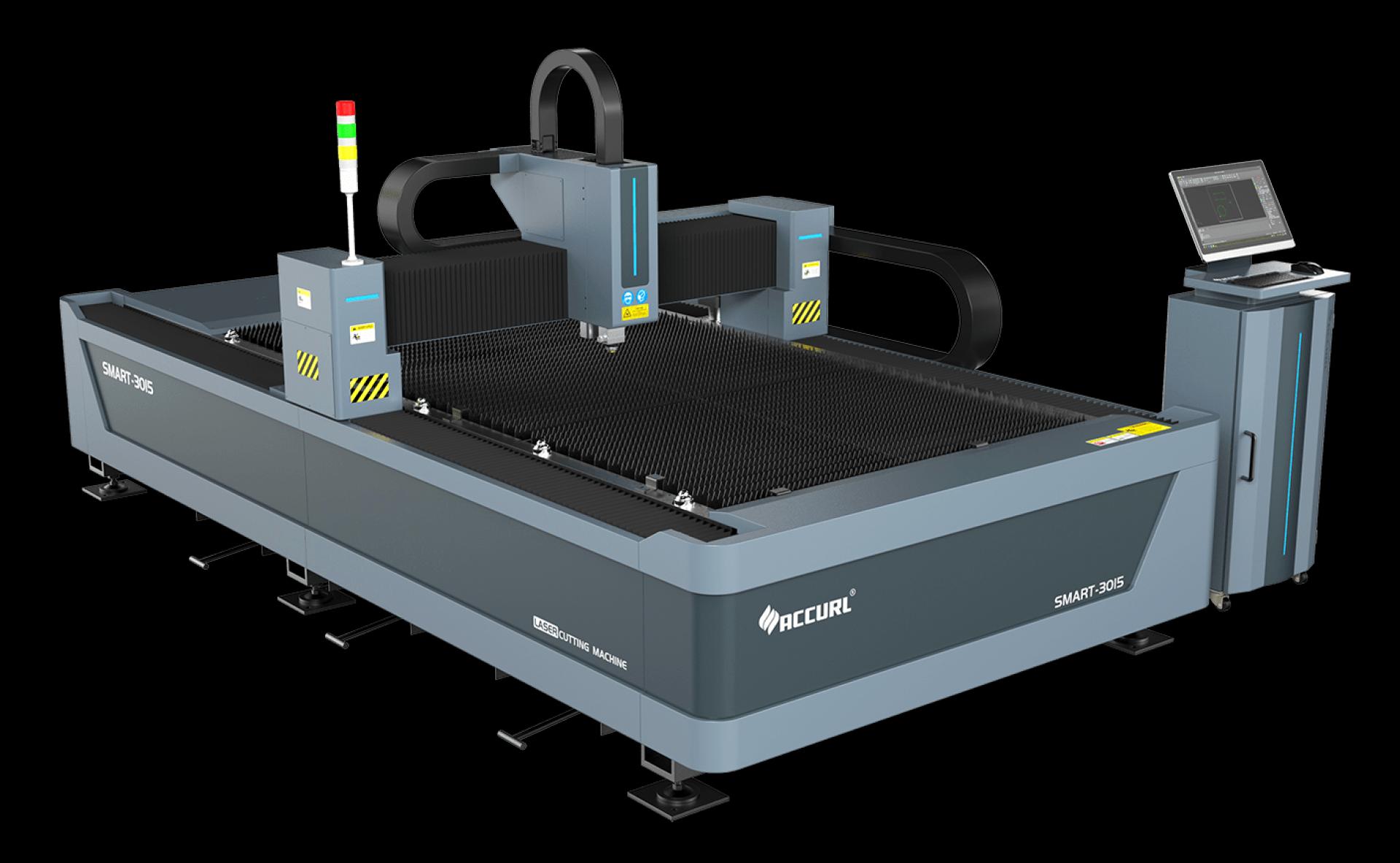
In the fast-evolving world of manufacturing, the fiber laser cutting machine has emerged as a revolutionary tool. Its precision, speed, and versatility have made it a preferred choice for various industries, from automotive to aerospace and even in the production of intricate parts for electronics. If you’re considering upgrading your production line or exploring new technology, understanding how a fiber laser cutting machine works, and why it stands out in the crowded landscape of cutting technologies is crucial.
Understanding Fiber Laser Cutting Technology
A fiber laser cutting machine uses a high-powered laser beam to cut through materials. The core of this technology is a fiber laser, which is a type of solid-state laser that amplifies light using an optical fiber doped with rare earth elements like ytterbium. This technology is known for producing a highly concentrated beam of light, making it incredibly precise.
The fiber laser cutting process involves directing this laser beam onto the material’s surface, where it melts, burns, or vaporizes the material. The precise control of the laser allows for fine details and intricate cuts, which is why this method has gained popularity in industries requiring high levels of precision.
How Fiber Laser Cutting Machines Work
A fiber laser cutting machine operates by focusing the laser beam on the material. The laser beam is generated by the fiber laser and then delivered to the cutting head through optical fibers. These fibers guide the beam with exceptional precision, allowing for high-quality cuts.
The material is usually held on a flat bed, and the cutting head moves across it. The cutting process is aided by a flow of gas, such as nitrogen or oxygen, which helps in cutting, blowing away molten material, and ensuring a clean edge. The machine is controlled by CNC (Computer Numerical Control) systems, which program the cutting pattern and control the movement of the cutting head.
Fiber Laser Cutting Machine in Action
One of the key factors that differentiate fiber laser cutting machines from other cutting technologies is their speed and accuracy. For instance, in traditional mechanical cutting, blades or tools are used to physically cut through the material, which can wear down over time, affecting the quality of the cut. In contrast, a fiber laser cutting machine does not have physical tools that wear down. The laser beam’s ability to focus and maintain a high-intensity output over extended periods results in cuts that are not only precise but also smooth, with little to no post-processing required.
Moreover, the fiber laser cutting machine is capable of cutting through a wide range of materials, including metals like steel, aluminum, and titanium, as well as non-metallic materials such as plastics and wood. The ability to handle diverse materials with ease is what makes this cutting technology so appealing to various industries, from small shops to large manufacturers.
The Role of Fiber Laser Cutting in Modern Manufacturing
The fiber laser cutting machine has proven to be indispensable in industries that require high precision and efficiency. The automotive sector, for example, relies heavily on laser cutting technology for producing components that require high levels of accuracy, such as exhaust systems, body panels, and other structural parts.
In the aerospace industry, fiber laser cutting machines are used to cut through materials like titanium and Inconel, which are commonly found in aircraft engines and other high-performance components. These industries need equipment that can handle tough materials without compromising on precision or speed, and fiber laser cutting machines deliver both.
Moreover, the rise of the electronics industry has further demonstrated the versatility of fiber laser cutting. From circuit boards to enclosures, fiber lasers are used to cut and engrave fine details on electronic parts. This process allows manufacturers to produce intricate designs with high precision, ensuring that even the smallest components meet strict quality standards.
Efficiency and Cost-Effectiveness
When compared to other cutting technologies, such as CO2 lasers or traditional mechanical cutting, fiber laser cutting machines offer significant cost advantages. One of the reasons for this is the efficiency of the fiber laser itself. Fiber lasers are more energy-efficient than CO2 lasers, as they convert more of the energy into laser light, reducing the amount of wasted energy. This leads to lower operational costs over time.
Additionally, the speed at which fiber laser cutting machines can operate results in faster production cycles. When a business can complete a job in less time, it translates into increased productivity and the ability to take on more orders. This efficiency not only reduces labor costs but also ensures a quicker return on investment (ROI).
The Growing Popularity of Fiber Laser Cutting Machines
The use of fiber laser cutting machines has expanded globally, and it’s easy to understand why. Manufacturers are constantly searching for ways to improve their operations, and fiber laser technology provides a competitive edge. The accuracy, speed, and versatility that fiber lasers offer have made them an essential tool for industries ranging from automotive and aerospace to electronics and medical devices.
Moreover, fiber laser cutting machines are becoming increasingly affordable, making them accessible to small and medium-sized enterprises (SMEs) that might have been priced out of other advanced cutting technologies. With continued advancements in laser technology and increasing demand for high-precision manufacturing, the fiber laser cutting machine is poised to remain a key player in the future of industrial production.
Applications Across Different Industries
The versatility of fiber laser cutting machines extends beyond just cutting metals. The technology can also be used for engraving, marking, and even 3D cutting applications. For example, in the medical industry, laser cutting is used to produce high-precision surgical instruments, implants, and even bio-compatible materials.
In the renewable energy sector, fiber lasers are utilized to cut and shape components for solar panels, wind turbines, and other energy-efficient products. As the world increasingly moves towards sustainable manufacturing, the fiber laser cutting machine offers a reliable and efficient solution.
Fiber Laser Cutting in Small to Large Scale Production
Another advantage of fiber laser cutting technology is its scalability. Whether you’re running a small shop or a large manufacturing plant, fiber laser cutting machines can be adapted to meet your production needs. The flexibility of these machines allows them to handle small, intricate parts as well as large components without compromising on precision.
Small businesses can use fiber laser cutting machines for custom jobs and short-run production, while larger enterprises can rely on the machines for high-volume production without sacrificing quality or efficiency. The adaptability of fiber laser cutting machines ensures that they are suitable for businesses of all sizes, further contributing to their widespread adoption.
Final Thoughts
The fiber laser cutting machine is undoubtedly a game-changer in the world of manufacturing. Its ability to deliver precise cuts, handle diverse materials, and operate efficiently makes it an indispensable tool in industries that demand high levels of accuracy and speed. Whether you’re involved in automotive manufacturing, aerospace, or electronics, a fiber laser cutting machine can significantly enhance your production capabilities.
With its increasing accessibility and growing demand, investing in fiber laser cutting technology is not just a smart decision but a necessary one for businesses looking to stay competitive in an increasingly technology-driven world. As the manufacturing industry continues to evolve, the role of fiber laser cutting machines will only become more prominent, shaping the future of production across the globe.