Cybersecurity threats are evolving every day, and attackers are constantly finding new ways to deceive people. While email phishing and smishing (SMS phishing) are widely recognized, another dangerous method has been gaining ground: vishing. This form of attack uses phone calls and voice messages to trick individuals into giving away sensitive information. With an increase in digital transactions and mobile usage across Dubai and the UAE, vishing has become a trending security concern that both individuals and businesses need to take seriously.
What is Vishing in Cybersecurity?
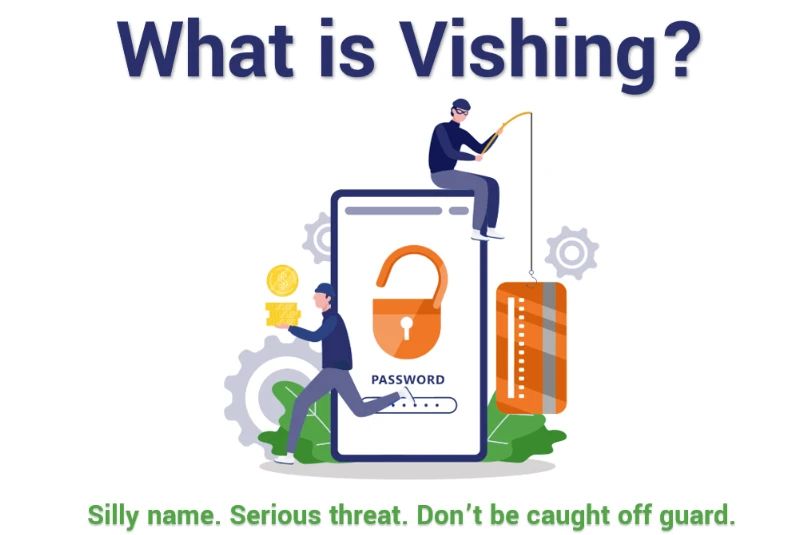
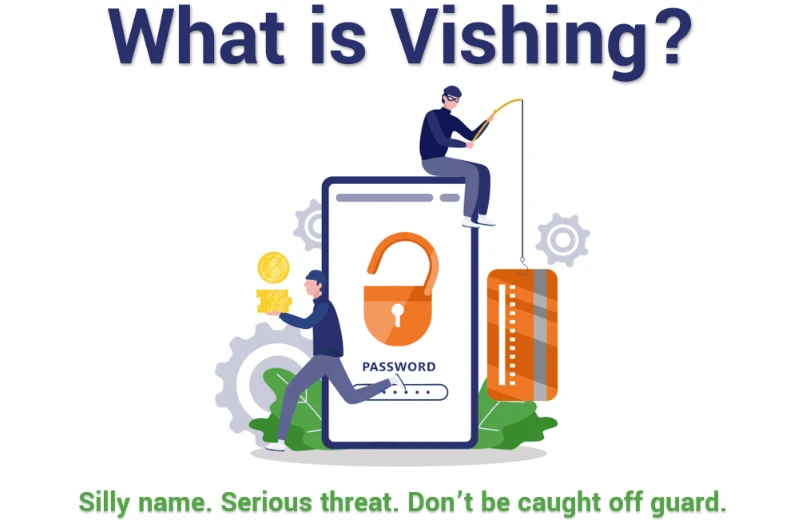
Vishing is short for voice phishing. Instead of sending an email or a text message, cybercriminals use phone calls, recorded voice messages, or even VoIP (internet-based calls) to impersonate trusted entities. They might pretend to be from a bank, government authority, or even a company’s IT department.
The goal is the same as other forms of phishing: to steal personal information such as passwords, financial details, or identity documents. Attackers often rely on social engineering techniques to create a sense of urgency or trust so that victims act without thinking twice.
Why Vishing is on the Rise
Several factors make vishing a growing threat today:
- High Smartphone Usage
- With nearly everyone carrying a mobile phone, attackers can easily reach their targets directly.
- Shift to Digital Banking and Payments
- As people increasingly use mobile wallets and online banking, fraudsters see more opportunities to exploit them.
- Remote and Hybrid Work
- Employees often receive legitimate calls from IT support or managers. Attackers exploit this by pretending to be from internal departments.
- Local Trends in Cybercrime
- In the UAE, recent scams have included callers impersonating banks, courier services, or even law enforcement, making vishing especially relevant to daily life.
How Vishing Attacks Work
A typical vishing attempt involves a combination of psychological tricks and technical setups:
- Spoofing Caller ID
- Attackers use software to make their number look like it belongs to a trusted organization.
- Creating Urgency
- The caller might say, “Your bank account is locked, and you need to verify details immediately” or “There is a legal fine that must be paid today.”
- Extracting Sensitive Data
- Victims are asked to share one-time passwords (OTPs), credit card numbers, or login credentials.
- Follow-up Fraud
- Once attackers gain the information, they can steal money, commit identity theft, or gain access to corporate systems.
Examples of Vishing Scams
- Banking Calls: Fraudsters pose as bank staff, warning of suspicious activity and asking customers to confirm details.
- Government Impersonation: Attackers pretend to be officials demanding payment for fines or visa issues.
- Tech Support Scams: Callers claim to be IT support, saying a computer or email account has been compromised and requesting remote access.
- Delivery and E-commerce Scams: Victims are told to pay customs fees or verify orders through a phone call.
The Impact of Vishing in the UAE
Dubai has become a hub for digital banking, e-commerce, and smart services. While this growth brings convenience, it also opens new doors for cybercriminals. Vishing attacks have been making headlines as residents and businesses face increasing reports of fraudulent calls.
The impact can be severe:
- Financial Loss: Victims may unknowingly transfer money or provide details that lead to theft.
- Identity Theft: Attackers can use stolen personal data to commit further fraud.
- Business Risks: Employees may disclose sensitive company information, exposing organizations to breaches.
- Reputation Damage: Falling victim to a scam can hurt both individual confidence and corporate trust.
How to Protect Against Vishing
The good news is that vishing can be prevented with awareness and caution. Here are some effective strategies:
- Be Skeptical of Unknown Numbers
- Do not trust a call just because it appears to come from a familiar number. Caller ID can be faked.
- Never Share Sensitive Information Over the Phone
- Banks, government agencies, and reputable companies will never ask for passwords, OTPs, or PINs by phone.
- Verify Directly
- If you receive a suspicious call, hang up and contact the organization directly through official numbers.
- Educate Employees
- Businesses should include vishing in their security awareness training so staff know how to respond to suspicious calls.
- Report Incidents
- Reporting fraudulent calls helps authorities and telecom providers block malicious numbers.
- Use Multi-Factor Authentication
- Even if some details are stolen, strong authentication methods make it harder for attackers to access accounts.
Why Businesses Must Pay Attention
For organizations, vishing is not just a consumer problem. Corporate employees are often targeted because they have access to valuable data and systems. A single phone call to a distracted employee can result in leaked login credentials or unauthorized system access.
Forward-thinking businesses in Dubai are adding vishing simulations to their cybersecurity training programs. Just like phishing emails, simulated vishing calls help employees practice spotting and handling real-world scams without putting company data at risk.
Final Thoughts
So, what is vishing in cybersecurity? It is a voice-based form of phishing that uses phone calls and recorded messages to trick people into revealing sensitive information. With cybercriminals getting more creative, vishing has become one of the fastest-growing threats in today’s mobile-first world.
In the UAE, where digital banking, mobile payments, and online services are part of everyday life, the risk of vishing is especially high. Protecting against it requires both individual awareness and organizational training.
By staying cautious, verifying suspicious calls, and investing in employee education, businesses and individuals can turn the tide against vishing. Cybercriminals may use their voice to deceive, but awareness and vigilance remain the strongest defense.