
Without proper alkalinity, pool water can quickly become corrosive or scale-forming, damaging expensive liners, heaters, and filtration equipment. A frequent question among modern pool owners is whether saltwater sanitation systems require different total alkalinity parameters compared to traditional chlorine-disinfected pools. While both system types rely on similar core water chemistry principles, the unique operation of saltwater chlorine generators introduces subtle nuances in pH management. Understanding these differences allows pool operators to fine-tune their maintenance routines and optimize water balance for any sanitization setup.
The Fundamental Role of Total Alkalinity in Swimming Pools
Total alkalinity measures the total concentration of alkaline substances, primarily bicarbonates, carbonates, and hydroxides, dissolved in pool water. This buffering capacity prevents rapid pH shifts that can occur due to rainfall, bather activity, or the addition of sanitizing chemicals. When total alkalinity remains within the correct target zone, the water resists pH bounce, making daily chemical management significantly more predictable and stable.
If alkalinity drops too low, the water becomes acidic and aggressive, stripping metals from equipment and etching plaster surfaces. Conversely, if alkalinity climbs too high, pH levels lock into an elevated range that causes cloudy water and stubborn calcium scaling. Maintaining this delicate balance preserves the structural integrity of the pool while ensuring comfortable water for swimmers.
- Total alkalinity acts as a protective chemical buffer that prevents erratic pH fluctuations.
- Bicarbonates and carbonates neutralize acidic compounds introduced by environmental factors and bather waste.
- Proper buffering protects pool surfaces, ladders, and internal filtration equipment from corrosion or scaling.
Ideal Total Alkalinity Ranges for Traditional Chlorine Pools
Traditional chlorine pools, whether sanitized with liquid chlorine, tablets, or powders, generally thrive with total alkalinity levels maintained between eighty and one hundred twenty parts per million. This classic range provides sufficient buffering capacity to keep pH stable around the ideal 7.2 to 7.6 window. Traditional sanitizers often have varying pH properties, making a robust buffer essential for preventing sudden chemical imbalance.
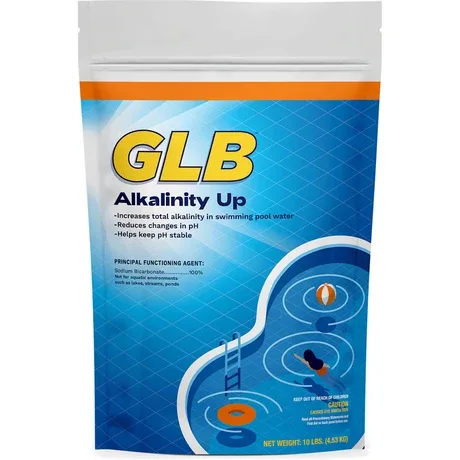
When alkalinity drifts below this recommended window, adding a reliable pool alkalinity increaser helps safely restore carbonate hardness without causing violent chemical reactions. Regular weekly testing using a reliable drop-based kit ensures that traditional pools stay within their optimal operating parameters. Consistent monitoring prevents long-term surface degradation and maintains sparkling water clarity.
- Traditional chlorine pools operate best with total alkalinity between eighty and one hundred twenty parts per million.
- A robust buffer zone keeps pH stable despite regular additions of chlorine sanitizers.
- Routine weekly testing catches minor parameter drift before it impacts water clarity or equipment safety.
The Unique Chemistry of Saltwater Chlorine Generator Pools
Saltwater pools utilize a specialized electronic chlorine generator that converts dissolved salt into free chlorine through an electrolytic process. While these pools are often marketed as chemical-free or alternative swimming environments, they are fundamentally chlorine pools with a built-in generator. However, the electrolysis process itself produces sodium hydroxide as a byproduct, which naturally drives pH levels upward over time.
Because saltwater systems have a continuous upward pressure on pH, managing total alkalinity requires a slightly different strategic approach. To minimize the tendency of pH to drift too high, many saltwater pool operators prefer maintaining total alkalinity on the lower end of the standard spectrum, typically between seventy and ninety parts per million. This narrower buffer reduces the frequency of acid additions needed to combat the generator's natural alkalinizing effect.
- Saltwater chlorine generators produce sodium hydroxide, which continuously pushes pool pH levels upward.
- Lowering target alkalinity slightly helps counterbalance the natural pH creep caused by electrolytic salt cells.
- Maintaining precise carbonate balance reduces overall acid demand in automated saltwater systems.
Comparing pH Stability Across Different Sanitization Methods
The primary difference in alkalinity management between saltwater and traditional pools boils down to pH stability and drift velocity. Traditional chlorine tablets are often slightly acidic and pull alkalinity downward, requiring occasional buffering support. In contrast, saltwater chlorine generators continuously introduce mild alkalinity through their electrolytic conversion process, altering how the water behaves day-to-day.
Understanding these inherent chemical tendencies helps pool owners anticipate when adjustments will be required rather than reacting after water balance is lost. Whether managing a traditional chlorine setup or an automated saltwater generator, the ultimate goal remains achieving a stable equilibrium. Recognizing how your specific sanitization method interacts with buffering agents streamlines your overall maintenance routine.
- Traditional chlorine forms often introduce mild acidity that gradually depletes total alkalinity over time.
- Saltwater generators generate alkaline byproducts that necessitate more vigilant pH and alkalinity oversight.
- Anticipating chemical drift patterns makes routine water maintenance faster and more efficient.
Troubleshooting Common Alkalinity and pH Discrepancies
When pool water exhibits persistent cloudiness or erratic pH readings, the root cause frequently traces back to an imbalance in total alkalinity. If alkalinity is excessively high, adding acid to lower the pH can cause the alkalinity to release carbon dioxide rapidly, leading to foamy surface disturbance and scaling. In such cases, introducing a specialized pool oxidizer helps clear out organic waste without disrupting the carbonate balance further.
Conversely, correcting low alkalinity requires patience and incremental dosing of sodium bicarbonate to prevent overshooting the target range. Allowing the water to circulate thoroughly between adjustments ensures accurate test results and prevents chemical stratification in the deep end. Systematic troubleshooting resolves minor water quality issues before they escalate into major algae or scaling problems.
- High alkalinity coupled with high pH requires careful, gradual acid dosing to prevent calcium precipitation.
- Targeted oxidation helps manage organic load without introducing conflicting chemical buffers into the water.
- Thorough circulation between chemical additions ensures balanced distribution throughout the pool.
Long-Term Maintenance and Sustainable Water Care
Achieving long-term harmony in your swimming pool relies on consistent testing, accurate record-keeping, and proactive chemical adjustments. Whether you operate a traditional chlorine basin or a modern saltwater oasis, keeping total alkalinity within its recommended threshold protects your investment in pool equipment and finishes. Routine weekly audits prevent minor chemical fluctuations from turning into stubborn water clarity challenges.
Establishing a reliable maintenance routine guarantees peace of mind and reduces emergency troubleshooting during the height of the summer swimming season. For all your water testing kits, buffering agents, and dependable maintenance supplies, trust Ever-Klear Pool Supply to provide the professional-grade products needed for a sparkling backyard oasis.
- Consistent weekly water testing prevents unexpected alkalinity drops and equipment corrosion.
- Proactive chemical management protects expensive pool liners, heaters, and saltwater generator cells.
- Sourcing quality maintenance essentials from Ever-Klear Pool Supply supports sustainable, long-term pool health.
Frequently Asked Questions
Do saltwater pools need a different total alkalinity range than chlorine pools?
Yes, saltwater pools often perform best with slightly lower alkalinity, around 70 to 90 ppm, to help counteract the natural upward pH drift caused by salt chlorine generators.
What happens if total alkalinity is too low in a pool?
Low alkalinity causes acidic water, leading to pH bounce, corrosion of metal fixtures, etching of plaster surfaces, and skin and eye irritation for swimmers.
How does total alkalinity affect pool pH?
Total alkalinity acts as a chemical buffer that stabilizes pH, preventing it from swinging wildly when sanitizers, rain, or bather waste enter the water.
How can I raise total alkalinity safely?
You can raise total alkalinity by adding a commercial alkalinity increaser (sodium bicarbonate) dissolved in water, following package instructions based on your pool's gallon capacity.
How often should I test my pool's total alkalinity?
It is recommended to test your pool's total alkalinity at least once a week during the peak swimming season to catch and correct minor imbalances early.