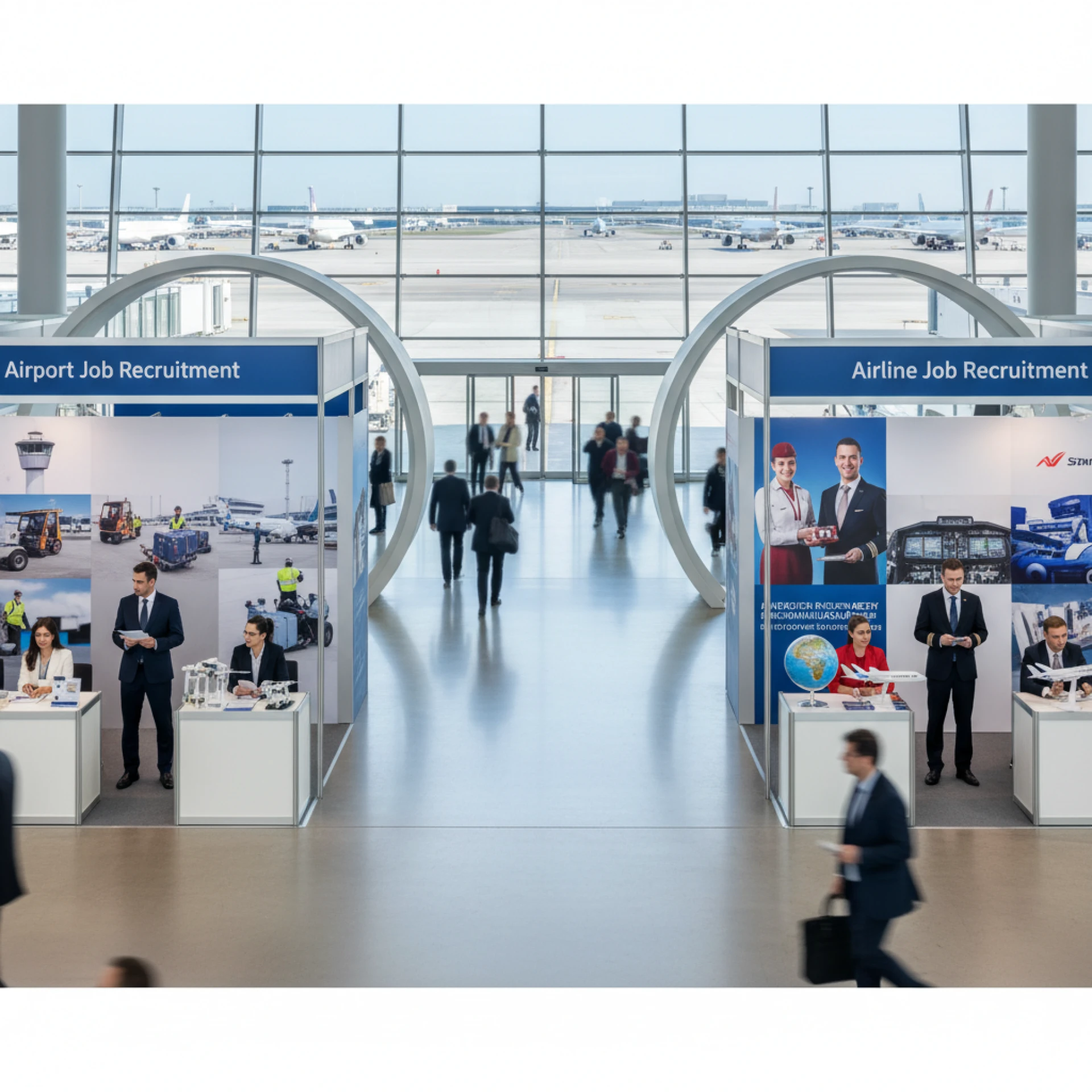
Building a career in aviation often begins with choosing the right path, and many candidates feel confused between airport job recruitment and airline job recruitment. While both offer exciting opportunities, the hiring process, job roles, and required skills differ significantly. Understanding these differences helps you plan your aviation career more confidently and choose a role that matches your strengths and interests.
1. Understanding the Basic Difference
Airport job recruitment focuses on the operations and staffing needs of the airport itself. These roles ensure that the airport environment runs smoothly every day.
On the other hand, airline job recruitment focuses on hiring staff for a particular airline, such as cabin crew, ground handling teams, and technical support.
Although both industries work closely together, their recruitment processes, training needs, and job expectations differ widely.
2. Nature of Job Roles
The roles available through airport job recruitment include ground staff, security officers, passenger service agents, facility management staff, and baggage handlers. These positions help maintain daily airport operations and ensure passenger comfort.
Airline job recruitment mainly includes cabin crew, airline customer service agents, aircraft technicians, flight dispatchers, and ticketing staff. These roles are tied directly to the airline’s service and brand image.
3. Difference in Hiring Authorities
Airport job recruitment is usually carried out by airport authorities, ground handling companies, or security agencies. They hire staff who work across terminals, lounges, check-in counters, and airport facilities.
In contrast, airlines conduct their own recruitment drives. Each airline uses its selection procedures to hire employees who represent the airline’s culture and customer service style.
4. Skills Required for Each Role
Candidates applying through airport job recruitment often need strong communication skills, multitasking ability, problem-solving, and customer service experience. Roles like airport security may require physical fitness and compliance with safety rules.
Airline job recruitment prioritizes grooming standards, personality, teamwork, hospitality skills, and confidence—especially for cabin crew roles. Airlines also focus on language proficiency and cultural adaptability.
5. Training and Certification Requirements
Airport job recruitment may require basic aviation knowledge, security clearance certifications, or airport management training depending on the role. Many positions offer on-the-job training.
For airline job recruitment, training is more structured. Cabin crew and technical staff undergo professional training programs, safety drills, grooming sessions, first-aid training, and emergency procedures.
6. Salary and Growth Opportunities
The salary offered through airport job recruitment varies based on the department and company managing the airport operations. Growth opportunities usually depend on performance, experience, and additional qualifications.
Airline job recruitment often provides higher growth potential, especially for cabin crew and technical positions. Employees may receive travel benefits, airline discounts, and international exposure.
7. Work Environment Differences
Airport staff work in terminals, baggage areas, passenger lounges, and security zones. The environment is dynamic and fast-paced, with continuous passenger movement throughout the day.
Airline staff work either onboard aircraft or at specific airline counters. Cabin crew travel frequently, while airline ground staff interact only with their airline’s passengers.
8. Uniform and Grooming Standards
In airport job recruitment, grooming standards depend on the employer, but they are usually simpler and more functional. Security and technical staff may wear practical uniforms designed for movement and safety.
Airline job recruitment, especially for cabin crew, follows strict grooming standards. Airlines often conduct grooming checks during interviews and training sessions.
9. Recruitment Stages
Airport job recruitment typically includes application screening, document verification, a personal interview, and sometimes group discussions. Security roles may involve additional background checks.
Airline job recruitment usually includes multiple stages such as group activities, grooming assessment, personal interviews, and medical fitness checks.
10. Shift Patterns and Work Schedules
Both industries require flexible working hours, but the nature of shifts differs.
In airport job recruitment, employees may work rotational shifts across various terminals since airports operate 24/7.
Airline job recruitment may involve flight-based schedules, long layovers, night flights, and international travel, especially for cabin crew roles.
11. Career Stability and Security
Airport job recruitment often provides stable and long-term career paths, especially in government-run or public-private airports. Many candidates prefer these roles for predictable schedules and long-term growth.
Airline job recruitment offers exciting opportunities but depends on the airline’s financial performance, market demand, and travel trends.
12. Which Option Is Better for You?
The best choice depends on what you want from your aviation career.
If you enjoy managing operations, interacting with passengers, and working in a structured environment, airport job recruitment may suit you best.
If you prefer travel, hospitality, and representing a brand, airline job recruitment might be the right path.
Conclusion
Airport job recruitment and airline job recruitment both play essential roles in the aviation industry, but they cater to different career goals and skill sets. By understanding their differences in job roles, training, work environment, and hiring procedures, you can choose a career path that aligns with your strengths and ambitions. Whether you want to support airport operations or work directly for an airline, both options offer rewarding opportunities and long-term professional growth in the aviation sector.