While both consumer and agricultural drones share similar flight technology, they are designed for very different purposes. Here’s how they differ:
🎯 1. Purpose & Use Case
- Consumer Drone: Primarily used for recreational flying, aerial photography, and videography (e.g., travel content, social media, personal use).
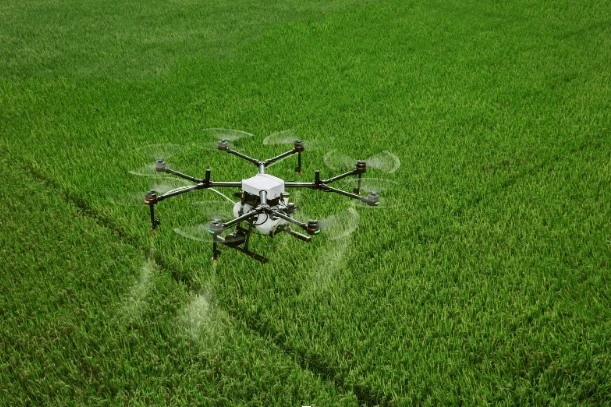
- Agricultural Drone: Built specifically for farming tasks, such as crop monitoring, spraying, planting, and data collection.
📦 2. Payload & Equipment
- Consumer Drone: Equipped with high-resolution cameras for capturing beautiful videos and photos.
- Agricultural Drone: Equipped with multispectral sensors, thermal cameras, or spraying tanks for applying pesticides, fertilizers, or seeds.
🔍 3. Sensor Technology
- Consumer Drone: Uses RGB cameras with optical zoom or stabilization features.
- Agricultural Drone: Often includes NDVI, multispectral, LiDAR, or thermal imaging sensors for analyzing crop health, soil conditions, and more.
⚙️ 4. Software Integration
- Consumer Drone: Comes with apps for flying, capturing media, and sharing content.
- Agricultural Drone: Integrated with farm management software, AI-driven analytics, and GIS mapping tools to support precision agriculture.
🚁 5. Flight Capabilities
- Consumer Drone:
- Light to moderate wind resistance
- Shorter flight times (20–40 minutes)
- Smaller payload capacity
- Agricultural Drone:
- Heavier build with stronger motors
- Longer endurance and larger payload for spraying/seeding
- Capable of flying autonomously over vast farmland
💰 6. Price
- Consumer Drone: Typically ranges from $300 to $2,000.
- Agricultural Drone: Ranges from $5,000 to $30,000+, depending on features, payload, and software capabilities.
👷 7. User Skill Level
- Consumer Drone: Designed for hobbyists and creators with minimal setup.
- Agricultural Drone: Requires trained operators or pilots, sometimes needing certifications (depending on country regulations).