
Introduction
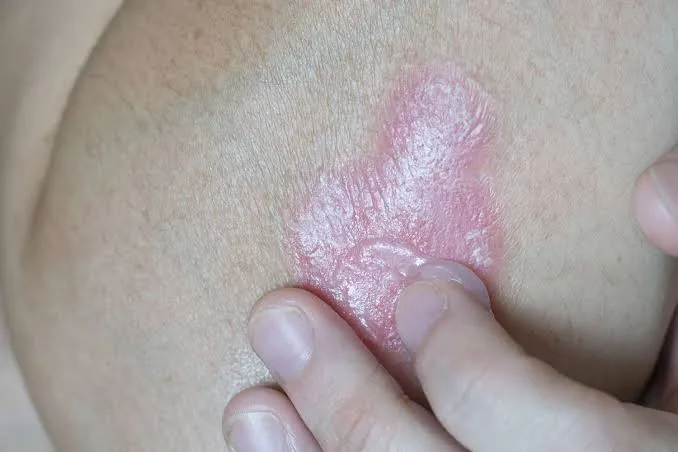
Psoriasis is a chronic autoimmune disease that affects the skin by accelerating the growth cycle of skin cells. Instead of renewing gradually over several weeks, new skin cells reach the surface within a few days, leading to thick, red, scaly plaques that can become itchy, painful, and uncomfortable. Although psoriasis is not contagious, it can significantly impact a person's physical comfort, emotional well-being, confidence, and quality of life. Many individuals experience repeated flare-ups that interfere with work, sleep, social interactions, and daily activities.
Modern dermatology has made significant progress in the long-term management of psoriasis. Today, treatment focuses on controlling inflammation, slowing abnormal skin cell production, reducing symptoms, preventing flare-ups, and maintaining healthier skin for extended periods. Since psoriasis varies widely in severity and presentation, successful management requires personalized care rather than a universal treatment plan.
Individuals searching for a dermatologist for psoriasis in Noida often seek specialized medical care after recurring flare-ups or ineffective self-treatment. Understanding available treatment options helps patients work closely with dermatologists to achieve better long-term disease control.
This article explains how modern psoriasis treatment provides lasting symptom relief while improving overall skin health.
Understanding Psoriasis
Psoriasis is an immune-mediated inflammatory disease that primarily affects the skin.
Normally, skin cells mature and shed over several weeks.
In psoriasis, the immune system accelerates this process, resulting in excessive skin cell buildup and chronic inflammation.
Common Forms of Psoriasis
Several types of psoriasis exist.
These include:
Plaque Psoriasis
The most common type, characterized by thick red plaques covered with silvery scales.
Guttate Psoriasis
Appears as multiple small, drop-shaped lesions.
Inverse Psoriasis
Develops in skin folds with smooth inflamed patches.
Pustular Psoriasis
Produces pus-filled blisters surrounded by inflamed skin.
Erythrodermic Psoriasis
A rare but severe form requiring immediate medical attention.
Proper diagnosis helps guide treatment selection.
Symptoms Patients Commonly Experience
Symptoms vary between individuals.
Common complaints include:
- Thick red plaques
- Dry skin
- Scaling
- Persistent itching
- Burning sensation
- Cracking
- Bleeding
- Nail abnormalities
Symptoms often improve and worsen over time.
Common Triggers
Psoriasis flare-ups may occur due to several factors.
These include:
- Emotional stress
- Cold weather
- Skin injuries
- Certain infections
- Smoking
- Alcohol
- Some medications
Recognizing triggers helps reduce future flare-ups.
Importance of Early Diagnosis
Seeking medical care early provides several advantages.
Early treatment helps:
- Reduce inflammation
- Prevent worsening symptoms
- Improve skin appearance
- Enhance comfort
- Improve quality of life
Prompt intervention often leads to better disease control.
Comprehensive Skin Assessment
Dermatologists perform a detailed evaluation before recommending treatment.
The assessment usually includes:
- Medical history
- Family history
- Skin examination
- Severity assessment
- Trigger evaluation
- Previous treatment review
Individualized evaluation supports personalized care.
Medical Treatment Options
Treatment varies according to disease severity.
Common therapies include:
Topical Medications
Creams and ointments help reduce inflammation and scaling.
Phototherapy
Controlled ultraviolet light slows excessive skin cell production.
Oral Medications
Recommended for moderate to severe disease.
Biologic Therapy
Targets specific immune pathways involved in psoriasis.
The dermatologist selects treatment according to individual needs.
Managing Chronic Inflammation
Successful skin inflammation treatment focuses on controlling immune activity, reducing redness, minimizing itching, preventing new flare-ups, and improving long-term skin health through individualized medical management and continuous dermatological monitoring.
Long-term control remains the primary treatment goal.
Daily Skincare Is Essential
Healthy skincare supports medical treatment.
Patients should:
- Moisturize frequently
- Avoid harsh soaps
- Protect skin from injury
- Follow prescribed medications
- Maintain skin hydration
Daily care strengthens the skin barrier.
Lifestyle Measures That Help
Healthy habits often improve disease control.
Helpful practices include:
- Balanced nutrition
- Regular exercise
- Stress management
- Adequate sleep
- Smoking cessation
Lifestyle improvements complement medical therapy.
Monitoring Progress
Regular follow-up appointments allow dermatologists to:
- Assess treatment response
- Modify medications
- Monitor side effects
- Identify new triggers
- Prevent disease progression
Continuous monitoring improves long-term outcomes.
Choosing the Right Dermatology Clinic
Receiving care from a professional skin care clinic in noida provides access to experienced dermatologists, advanced diagnostic evaluation, individualized treatment planning, evidence-based therapies, modern technology, and long-term follow-up that supports healthier skin and sustained psoriasis management.
Professional supervision contributes to lasting disease control.
Common Myths About Psoriasis
Psoriasis Is Contagious
Psoriasis cannot spread through physical contact.
Only Skin Is Affected
Psoriasis may also involve joints and other systemic health conditions.
Treatment Is Needed Only During Flare-Ups
Consistent long-term management often produces better disease control.
Understanding these misconceptions encourages informed healthcare decisions.
Long-Term Management Strategies
Patients should continue:
- Following prescribed treatment
- Attending regular follow-up visits
- Avoiding known triggers
- Maintaining healthy skincare
- Monitoring disease activity
Long-term commitment helps reduce future flare-ups.
Conclusion
Psoriasis is a lifelong autoimmune disease, but modern dermatology offers highly effective treatments that help patients achieve long-term symptom control and healthier skin. Early diagnosis, individualized treatment plans, regular monitoring, and healthy lifestyle habits all contribute to improved quality of life while reducing disease recurrence.
Individuals looking for a dermatologist for psoriasis should seek experienced specialists who provide comprehensive evaluation and personalized treatment strategies based on disease severity and individual needs. Modern skin inflammation treatment helps reduce flare-ups, improve skin comfort, and support healthier long-term outcomes.
Choosing a trusted skin care clinic noida ensures access to advanced dermatological care, evidence-based therapies, and continuous professional support that helps patients successfully manage psoriasis for many years.
Frequently Asked Questions
Can psoriasis be permanently cured?
No. Psoriasis is a chronic condition, but effective treatment helps control symptoms and reduce flare-ups.
Is psoriasis contagious?
No. Psoriasis cannot spread through skin contact.
Why are regular follow-up visits important?
They allow dermatologists to monitor progress and adjust treatment when necessary.
Can stress worsen psoriasis?
Yes. Stress is one of the most common psoriasis triggers.
Does psoriasis require lifelong management?
Yes. Consistent treatment and proper skincare help maintain long-term symptom control.
Source: Joyrulez.com