
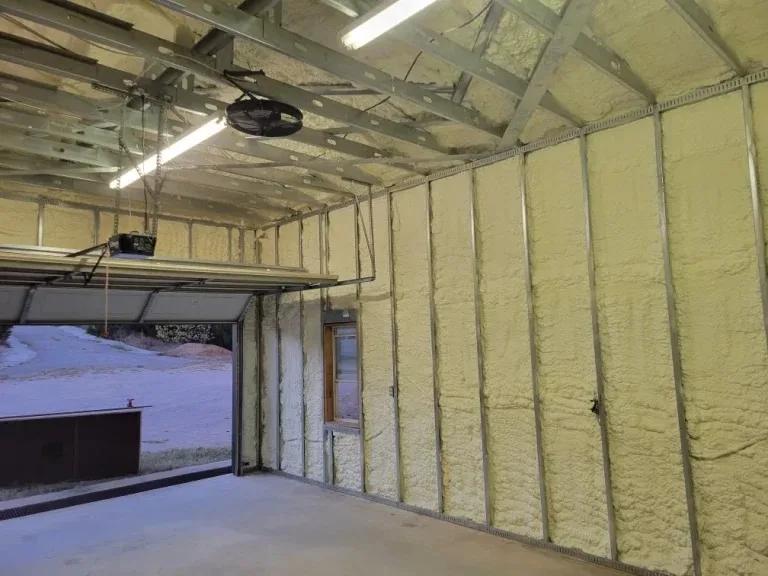
Spray foam stands out as the most effective insulation material for homes in Leander. This product creates a complete seal that blocks air flow and moisture. It works effectively because it prevents heat from entering during the summer and keeps warmth inside during the winter. Homeowners often find that this choice leads to lower energy bills and a more comfortable living space.
This guide provides a detailed overview of insulation materials and how they perform under the Texas climate. It also explains what to look for when hiring a professional spray foam insulation contractor in Leander, TX. Understanding these options helps homeowners make informed decisions and choose insulation solutions that deliver long-term performance and value.
Comparing Popular Products for Central Texas Weather
The weather in Leander can be harsh, with high heat and sudden ice storms. Choosing the right home insulation materials means evaluating how a product handles humidity and temperature shifts. Some products work better in dry areas, while others are specifically made for the damp Texas air. A good company will suggest a product that lasts for decades without losing its ability to block heat.
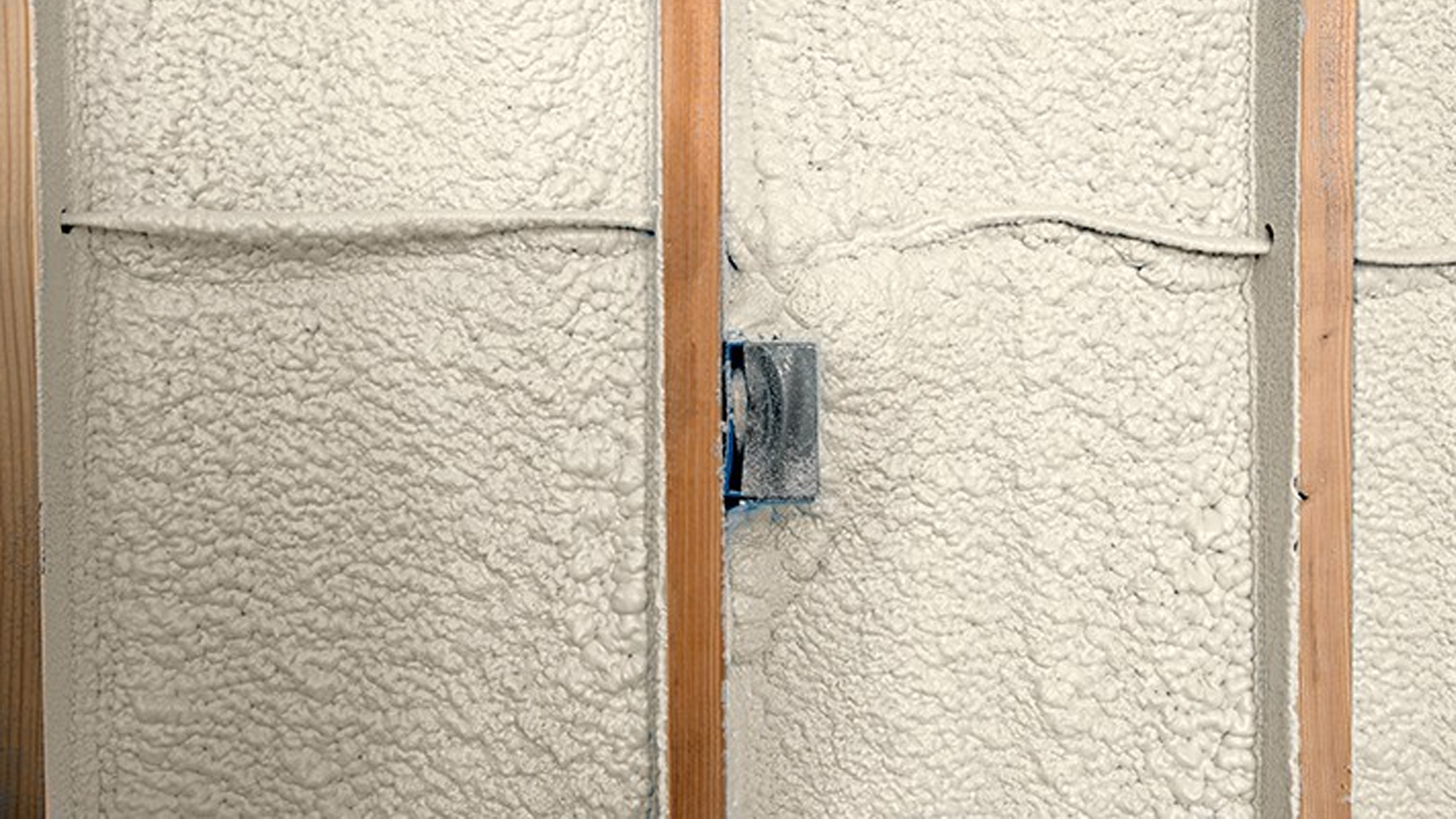
Standard fiberglass often fails to stop air leaks, which can lead to high cooling costs. Many people are now moving toward modern insulation materials that offer better protection. These products expand to fill every gap in the attic and walls, preventing the "hot spots" often felt in older homes during the month of August.
Spray Foam and Its Benefits
Spray foam is a top insulation material because it acts as both a thermal barrier and an air seal. It comes in two main types: open-cell and closed-cell. Both types stick to surfaces and do not sag over time like some older products. This means the house stays protected for a much longer period.
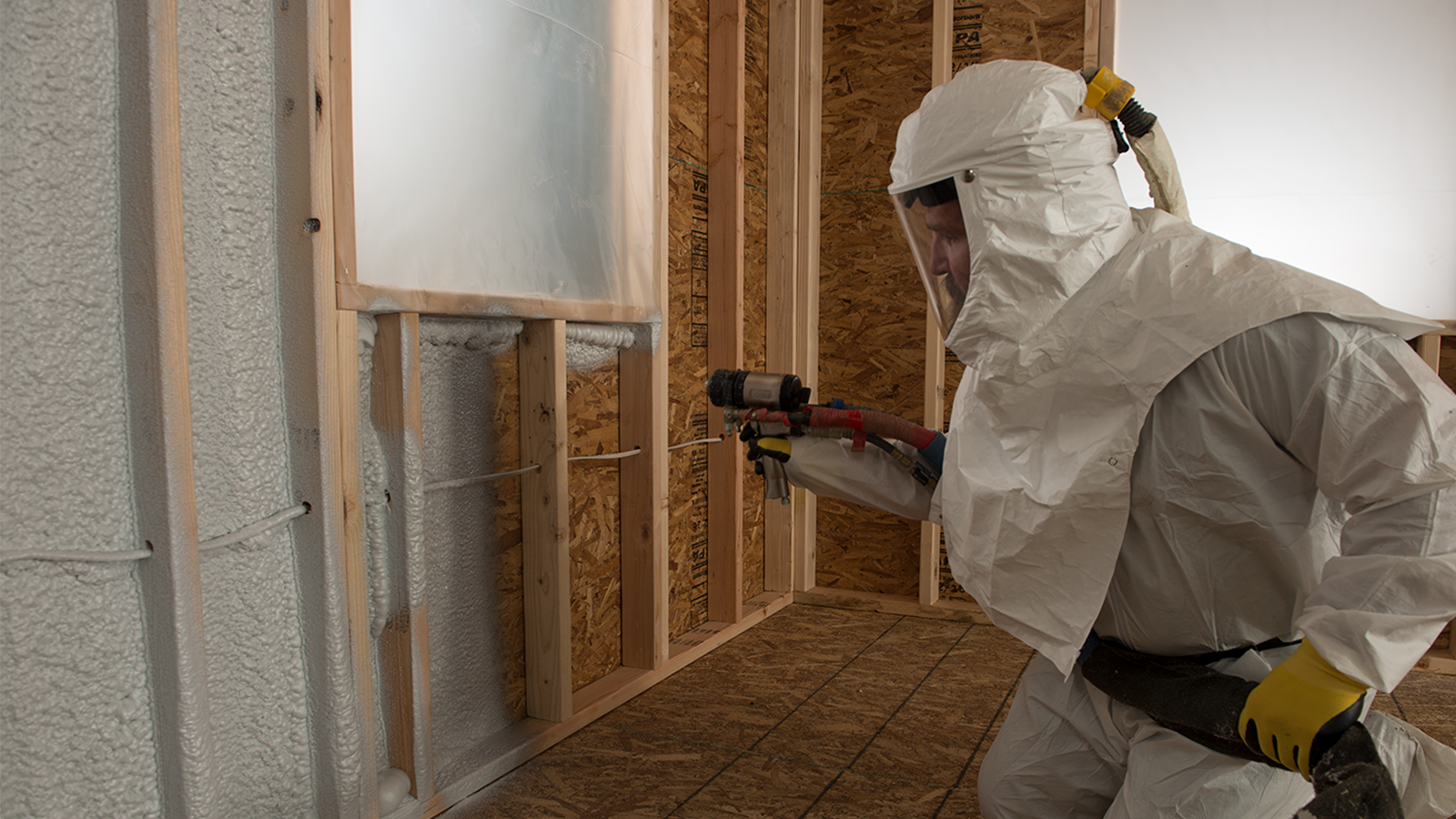
When a local contractor installs this foam, they ensure that the attic remains much cooler than the outside air. This is helpful for the air conditioning units that sit in the attic space. When the air around the unit is cooler, the machine does not have to work as hard to cool the house, saving money on repairs and monthly power bills.
Closed Cell Foam PerformanceClosed-cell foam is very dense and strong. It provides the highest R-value among all insulation materials used in houses today. This density also helps strengthen the walls of the building. It is a great choice for areas that might see heavy rain or moisture because it does not let water pass through easily.
Many people choose this for its ability to keep out dust and outdoor smells. Since it seals so tightly, it creates a clean environment inside the home. It is often the best choice for those who want the most protection possible for their investment.
Open Cell Foam ValueOpen-cell foam is softer and less dense than closed-cell options. It is an excellent attic insulation material because it expands significantly to fill large spaces. It is usually more affordable while still providing a great air seal. Many homeowners in Leander find this to be the perfect middle ground for their budget and needs.
This material also helps with sound; it can make a home much quieter by blocking noise from the street or neighbors. It is a light material that does not add much weight to the roof structure. Most residential projects use this type to achieve a high level of comfort.
Fiberglass and Cellulose Options
Fiberglass is a common insulation material that has been used for many years. It is made of tiny glass fibers and comes in large rolls or loose bits. While it is affordable, it does not stop air from moving. If there is a breeze or a leak in the house, the air goes right through the fiberglass.
Cellulose is made from recycled paper and treated to resist fire. It is a good thermal insulation material for those who want an eco-friendly choice. It is blown into the attic to cover the floor. However, it can settle over time and lose some of its ability to stop heat.

Things to Consider Before Making a Decision
Before picking an insulation material, a homeowner must look at the current state of their house. They should check if the old material is wet or moldy. If moisture is present, that problem must be fixed before adding new layers. It is also wise to think about how long they plan to stay in the home.
Cost is a big factor, but long-term savings are also important. High-quality, energy-saving insulation materials pay for themselves over a few years. A homeowner should also ask a contractor about any rebates or tax credits. Local power companies sometimes provide rebates to people who make their homes more efficient.
Assessing the R Value Requirements
The R-value measures how well a material stops heat from moving; higher numbers mean better performance. In Leander, the attic needs a higher R-value than the walls because the sun beats down on the roof all day long. A professional company can calculate exactly how much is needed for a specific floor plan.
Different insulation materials require different thicknesses to reach the same R-value. For example, a few inches of foam might do the same job as a foot of fiberglass. Knowing this helps people plan their storage space in the attic.
Bonus Tips for Sealing Gaps
Homeowners should look at the spots where pipes and wires go into the attic. These small holes can let out a lot of conditioned air. Using a small can of spray foam to seal these spots is a smart move. It is a simple task that makes a big difference in how the house feels.
Another tip is to check the attic door or hatch. Many people forget to insulate this part of the ceiling. A special cover or a piece of foam board can stop heat from leaking through the door, which keeps the hallway from becoming a hot zone in the summer.
Checking for Air Leaks
A simple way to find leaks is to use a piece of incense or a thin tissue. On a windy day, hold it near windows and outlets. If it moves, there is a leak that needs attention. Finding these spots helps the insulation materials do their job better.
Questions People Ask About Insulation
Which material is best for high humidity?
Spray foam is usually the best for humid areas like Leander. It does not soak up water, and it stops damp air from moving into the walls. Fiberglass can get damp and lose its shape, which makes it less effective.
How long do these materials last?
Spray foam can last for the entire life of the home. It does not sag or break down like paper or glass products. Most other insulation materials might need an update after fifteen or twenty years.
Can I add new insulation over old insulation?
In many cases, yes, new products can go over old ones. However, if the old material is flat or has mold, it should be removed. A local contractor can look at the situation and give the best advice.
Will better insulation stop my pipes from freezing?
Yes, it helps keep the house temperature steady. When the walls and attic are sealed, the heat stays where it belongs. This prevents the cold air from reaching the pipes during a winter storm.
Does insulation help with summer cooling?
It is the most important part of keeping a home cool. It keeps the heat in the attic from moving down into the living room. This means the air conditioner runs less and lasts longer.
Summary of Best Practices for Leander Homes
Choosing the right insulation material is about more than just the price; it is about creating a shield for the home against the Texas sun. Spray foam is the leading choice for those who want the best performance in both hot and cold weather. It stops air leaks and keeps the home quiet and clean.
Homeowners should evaluate their specific needs and budget before starting a project. Working with a skilled professional ensures the job is done right and the material lasts. Taking the time to research these options will lead to a more comfortable and affordable home for many years.
Expert Help for Your Home Projects
When it is time to upgrade a house, contacting a reliable company is the best first step. They can provide a full check of the attic and walls to see where heat is escaping. Spray Foam Tech offers expert services for those living in the Leander area. They specialize in high-quality insulation materials that handle the local climate with ease. Interested residents can reach out to them at [email protected] or call (737) 777-9590 to discuss their needs. A local contractor from their team can help create a plan that fits any budget while improving the comfort of the home.
Reviewer: Maria Lopez reviewed the article and brought 12 years of insulation industry experience to improve the guidance. Practical tips were added, and the content was made clearer and more useful for contractors working in the field every day.