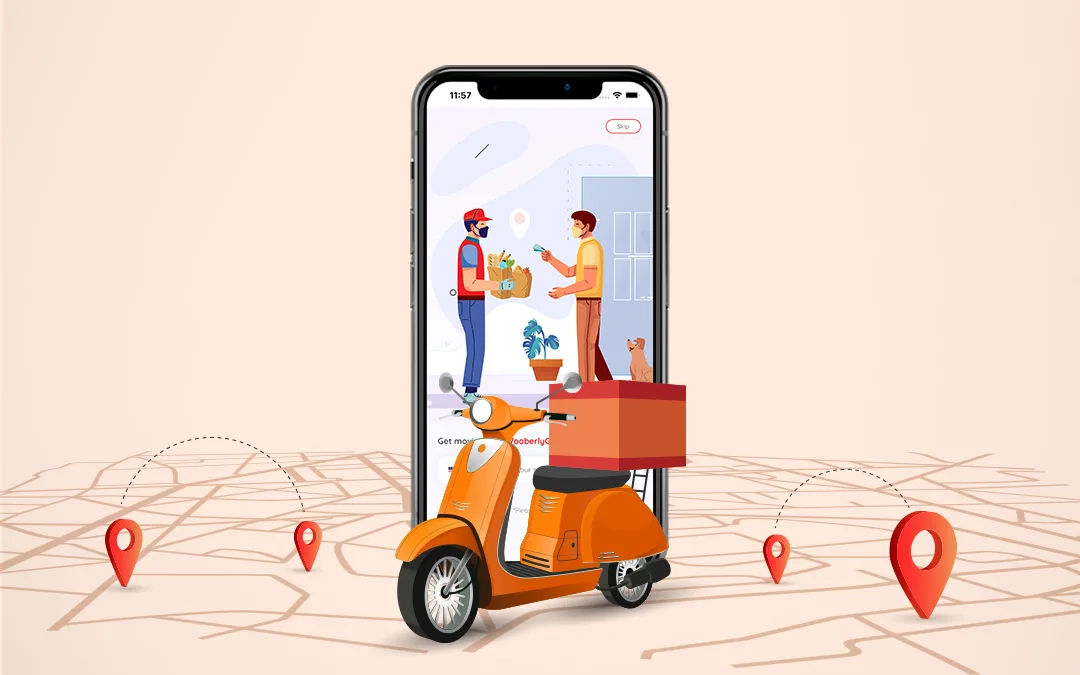
The rise of grocery shopping app development has transformed how consumers purchase food and household items. With the global online grocery market expected to reach $250 billion by 2027, selecting the right business model has become critical for success. This guide explores the most effective business models for grocery apps and helps you understand which approach best suits your market goals.
Understanding the Grocery App Landscape
The grocery shopping app development services sector has expanded rapidly, driven by changing consumer behaviors and digital transformation. Successful grocery apps generate revenue through multiple channels while solving real customer pain points. The key to sustainability lies in choosing a model that balances profitability with user satisfaction.
The Top Business Models for Grocery Apps
1. Commission-Based Model
The commission-based model remains the most common approach in grocery shopping app development. Retailers partner with third-party platforms and pay a percentage of each order as commission. This model works particularly well for multi-vendor marketplaces like Instacart and Uber Eats.
Advantages:
- Low initial investment
- Merchants only pay for actual sales
- Scalable revenue growth
Challenges:
- Merchants resist high commission rates
- Requires significant marketing investment
- Dependent on vendor participation
2. Subscription Model
Subscription-based grocery apps like Amazon Fresh and Walmart+ charge users a recurring fee for unlimited deliveries and exclusive discounts. This model creates predictable revenue and builds customer loyalty.
Advantages:
- Consistent, predictable revenue
- Higher customer lifetime value
- Strong customer retention rates
Challenges:
- Requires large customer base
- Need extensive logistics infrastructure
- High operational costs
3. Hybrid Model
Many successful grocery apps combine multiple revenue streams. A hybrid approach might include subscription fees, commissions from vendors, delivery charges, and advertising revenue. This diversification reduces dependency on any single income source.
Advantages:
- Multiple revenue streams
- Risk reduction
- Flexible pricing options for customers
Challenges:
- Complex operational management
- Potential customer confusion with multiple fees
4. Advertisement and Sponsored Products
Modern grocery shopping app development increasingly incorporates sponsored product listings and advertising space. Brands pay for premium shelf placement within the app, similar to traditional supermarket arrangements.
Advantages:
- Non-intrusive revenue source
- Brands benefit from targeted marketing
- Flexible pricing tiers
Challenges:
- Requires large user base
- Must balance user experience with ads
- Regulatory considerations
5. White-Label Solution
Developing a white-label grocery app platform allows retailers to launch their own branded app without building from scratch. The platform provider licenses the technology for a recurring fee.
Advantages:
- Recurring licensing revenue
- Scalable without inventory management
- Attracts enterprise clients
Challenges:
- Requires robust technology infrastructure
- Support and maintenance demands
- Limited direct consumer engagement
Key Factors for Choosing the Right Model
When developing a grocery shopping app, consider these essential factors:
Market Maturity: Established markets may favor subscription models, while emerging markets might benefit from commission-based approaches offering flexibility.
Target Demographics: Understanding your users' preferences—whether they value convenience, savings, or exclusive deals—shapes your revenue model selection.
Competitive Landscape: Analyze competitors' pricing strategies and identify gaps you can exploit with differentiated models.
Logistics Capability: Apps offering their own delivery services need robust operational infrastructure, making subscription models more viable.
Regulatory Environment: Different regions have varying regulations on delivery services, pricing, and vendor relationships that influence model viability.
Hybrid Approach: The Industry Standard
Industry leaders recognize that the future of grocery shopping app development lies in hybrid models. Combining subscriptions with commission-based vendor arrangements and strategic advertising creates resilience against market fluctuations. This approach also provides flexibility in customer acquisition and retention strategies.
For example, a successful hybrid model might charge customers an optional subscription for free delivery, earn commissions from partner retailers for each sale, and generate additional revenue through sponsored product placements. This diversification supports sustainable growth while maintaining competitive pricing.
The Path Forward
Success in grocery shopping app development requires more than choosing a business model—it demands understanding your specific market, user base, and operational capabilities. The most effective business models are those that balance profitability with customer value delivery.
Whether you pursue a subscription-based approach, commission-heavy marketplace model, or hybrid combination, ensure your model aligns with your competitive advantages and long-term business objectives. As the sector matures, apps that remain flexible and responsive to market changes while maintaining excellent service quality will capture the greatest market share.
The grocery app market continues to evolve, and the best business model today might shift tomorrow. Stay agile, monitor market trends, and be prepared to adapt your revenue strategy as consumer preferences and competitive dynamics change.