Sustainable fabric is becoming an important part of modern fashion and lifestyle choices. As awareness around environmental impact grows, more people are choosing materials that are responsibly sourced, eco-friendly, and long-lasting. But what exactly is sustainable fabric, and why does it matter?
What Is Sustainable Fabric?
Sustainable fabric refers to textiles that are produced with minimal harm to the environment and with a focus on long-term resource conservation. These fabrics are typically made from natural, renewable, or recycled materials and involve processes that reduce water usage, chemical treatment, and waste.
If you want to explore options, you can browse collections of sustainable fabric that focus on environmentally responsible production and natural materials.
Key Characteristics of Sustainable Fabric
Not all fabrics labeled “eco-friendly” are truly sustainable. Genuine sustainable fabrics share certain key properties:
1. Natural or renewable fibers
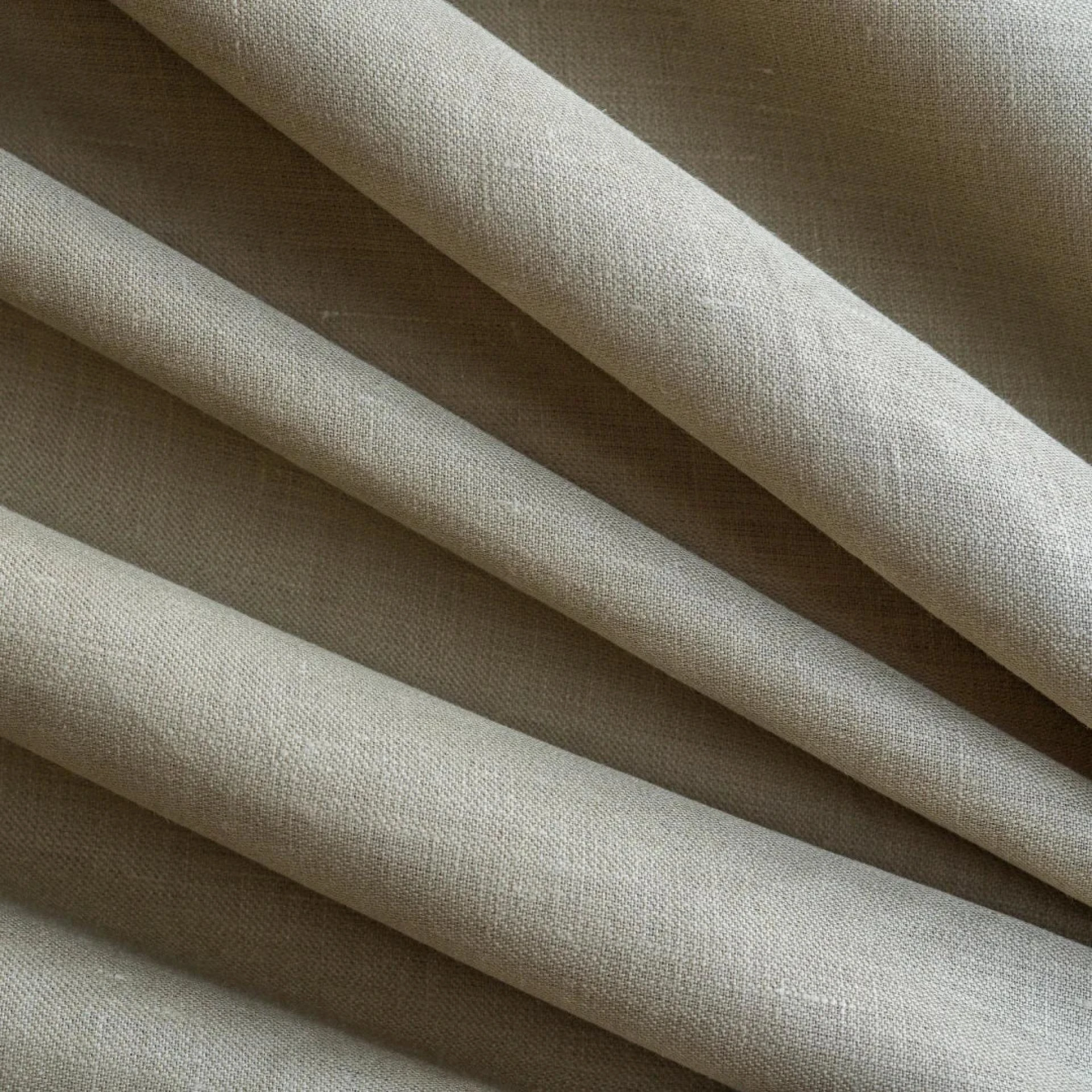
Materials such as hemp, organic cotton, bamboo, and linen are commonly used because they grow quickly and require fewer resources.
2. Low environmental impact
Sustainable fabrics are produced using methods that reduce water consumption, avoid harmful chemicals, and limit pollution.
3. Biodegradability
Many sustainable fabrics can break down naturally over time, unlike synthetic materials that take years to decompose.
4. Durability
These fabrics are often designed to last longer, reducing the need for frequent replacement and lowering overall waste.
Why Sustainable Fabric Matters
The fashion industry is one of the largest contributors to pollution, largely due to fast fashion practices and synthetic materials. Sustainable fabrics help address these issues by offering a cleaner alternative.
Choosing sustainable fabric supports:
- Reduced water and chemical usage
- Lower carbon footprint
- Less textile waste
- Ethical sourcing and production
Even small changes in buying habits can contribute to a larger positive impact on the environment.
Common Types of Sustainable Fabric
There are several types of sustainable fabrics available today, each offering different benefits depending on the use.
Hemp-based fabrics
Hemp is one of the most sustainable fibers due to its low water requirement and durability. It is commonly used in clothing, upholstery, and home textiles.
For example, products like hemp cloth napkins showcase how sustainable materials can be used in everyday household items. These napkins are reusable, long-lasting, and reduce dependence on disposable paper products.
Blended sustainable fabrics
Blends that combine hemp with other natural fibers offer both strength and comfort. A good example is hemp denim fabric, which provides durability similar to traditional denim but with a lower environmental impact.
These fabrics are ideal for clothing that needs to balance strength, flexibility, and sustainability.
How to Identify Sustainable Fabric
With many brands promoting eco-friendly products, it’s important to know how to identify genuine sustainable fabric.
- Check the material composition
- Look for natural or organic fibers instead of synthetic blends.
- Review production details
- Brands that focus on sustainability are usually transparent about their processes.
- Look for durability
- High-quality sustainable fabrics tend to last longer and maintain their texture over time.
- Avoid excessive chemical finishes
- Natural fabrics often have a more breathable and less processed feel.
Sustainable Fabric in Everyday Use
Sustainable fabrics are no longer limited to niche markets. They are now widely used in:
- Clothing and fashion apparel
- Home textiles like bedsheets and napkins
- Upholstery and décor
- Accessories and lifestyle products
Their versatility makes it easier for consumers to shift toward more responsible choices without compromising on comfort or style.
Final Thoughts
Sustainable fabric is not just a trend, it is a shift toward more conscious living. By choosing fabrics that are eco-friendly, durable, and responsibly produced, consumers can reduce their environmental impact while still enjoying quality products.
Whether it’s clothing, home essentials, or textiles, incorporating sustainable fabrics into daily life is a practical step toward a more responsible future.