Neurological conditions can significantly affect a person’s ability to move, speak, think, and live independently. Injuries or disorders involving the brain, spinal cord, or nervous system often require long-term, specialized care to restore function and improve quality of life. This is where Neurological rehabilitation in Langhorne plays a vital role.
Neurological rehabilitation is a comprehensive, patient-centered approach designed to help individuals recover from neurological impairments and adapt to lasting challenges. In Langhorne, patients have access to structured rehabilitation programs that combine medical expertise, therapeutic interventions, and personalized care plans. This article explores what neurological rehabilitation involves, who can benefit from it, and why Langhorne is an important location for this specialized form of care.
Understanding Neurological Rehabilitation
What Is Neurological Rehabilitation?
Neurological rehabilitation is a specialized branch of rehabilitation medicine focused on treating individuals with nervous system disorders. These disorders may be caused by injury, illness, or degenerative conditions. The goal is not only to restore lost function where possible but also to help patients develop strategies to manage long-term limitations.
Neurological rehabilitation in Langhorne typically involves a multidisciplinary team that may include neurologists, physical therapists, occupational therapists, speech-language pathologists, psychologists, and rehabilitation nurses. Together, they address the physical, cognitive, emotional, and social challenges that arise from neurological conditions.
Conditions Treated Through Neurological Rehabilitation
Neurological rehabilitation programs are designed for a wide range of conditions, including:
- Stroke
- Traumatic brain injury (TBI)
- Spinal cord injury
- Parkinson’s disease
- Multiple sclerosis
- Cerebral palsy
- Peripheral neuropathy
- Brain tumors and post-surgical neurological complications
Each condition presents unique challenges, which is why individualized treatment plans are essential.
Why Neurological Rehabilitation Is Important
Restoring Function and Independence
One of the primary goals of neurological rehabilitation is to help patients regain as much independence as possible. After a neurological event such as a stroke, even simple daily activities like walking, dressing, or eating may become difficult. Through targeted therapy, patients can relearn skills, strengthen weakened muscles, and improve coordination.
Neurological rehabilitation in Langhorne emphasizes functional recovery, helping patients transition from hospital care back into their homes and communities.
Supporting Long-Term Recovery
Recovery from neurological conditions is often a long-term process. While some improvements may happen quickly, others take months or even years. Ongoing rehabilitation supports gradual progress, prevents complications, and reduces the risk of further decline.
For chronic or progressive conditions, rehabilitation focuses on maintaining function, slowing deterioration, and improving overall well-being.
Key Components of Neurological Rehabilitation in Langhorne
Physical Therapy
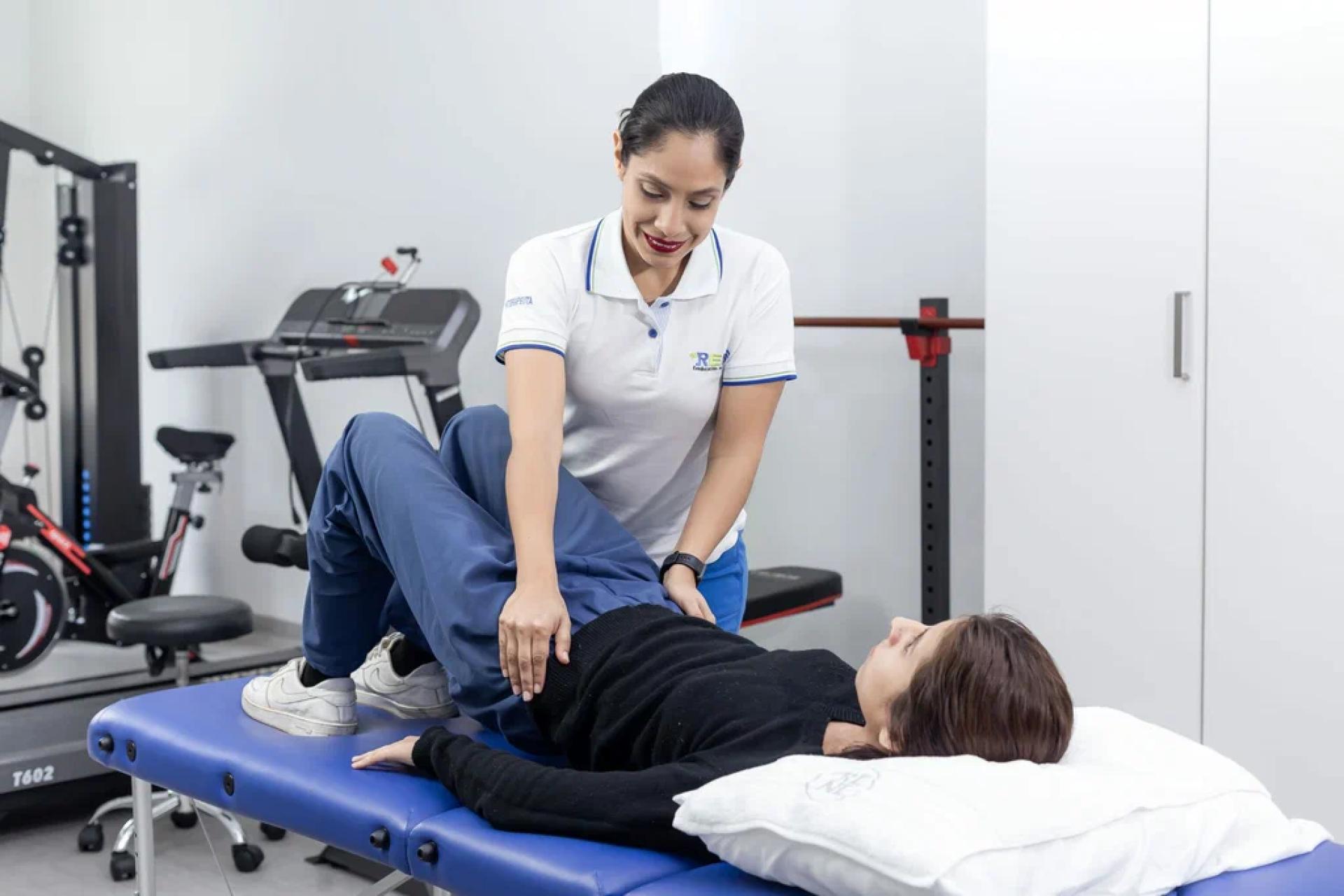
Physical therapy is a cornerstone of neurological rehabilitation. It focuses on improving strength, balance, mobility, and coordination. Therapists may work with patients on walking, transferring between positions, or using assistive devices safely.
In Langhorne, neurological physical therapy programs often use evidence-based techniques such as task-specific training and neuroplasticity-focused exercises to encourage the brain to form new connections.
Occupational Therapy
Occupational therapy helps patients regain the ability to perform daily activities, also known as activities of daily living (ADLs). This may include dressing, bathing, cooking, or returning to work-related tasks.
Occupational therapists also assess the need for adaptive equipment and recommend home modifications to enhance safety and independence.
Speech and Language Therapy
Neurological conditions can affect communication, swallowing, and cognitive-linguistic skills. Speech-language pathologists address issues such as speech clarity, language comprehension, memory, and problem-solving.
Speech therapy is particularly important for patients recovering from strokes or brain injuries, and it is a key part of neurological rehabilitation in Langhorne.
Cognitive and Psychological Support
Neurological conditions often impact emotional health, leading to anxiety, depression, or changes in personality. Cognitive rehabilitation helps patients improve attention, memory, and executive functioning, while psychological support addresses emotional adjustment.
Counseling and education are often included to help patients and families cope with the challenges of neurological recovery.
The Role of Personalized Treatment Plans
Individualized Assessment
No two patients experience neurological conditions in the same way. Effective neurological rehabilitation begins with a comprehensive assessment that evaluates physical abilities, cognitive function, emotional health, and personal goals.
Rehabilitation providers in Langhorne use these assessments to design customized treatment plans that reflect each patient’s unique needs and circumstances.
Goal-Oriented Rehabilitation
Setting realistic, meaningful goals is an essential part of rehabilitation. Goals may range from walking independently to returning to work or improving communication skills. Regular progress evaluations ensure that therapy remains aligned with patient goals and adapts as recovery progresses.
Benefits of Choosing Neurological Rehabilitation in Langhorne
Access to Specialized Care
Langhorne is home to healthcare facilities that offer structured neurological rehabilitation programs supported by trained professionals. This allows patients to receive coordinated care without traveling far from home.
Continuity of Care
Continuity is crucial in neurological recovery. Rehabilitation services in Langhorne often work closely with hospitals, physicians, and caregivers to ensure smooth transitions between acute care, outpatient therapy, and home-based services.
Family and Caregiver Involvement
Family education and involvement are important aspects of neurological rehabilitation. Caregivers learn how to support therapy goals, assist safely with daily activities, and recognize signs that may require medical attention.
Challenges in Neurological Rehabilitation
Managing Expectations
Recovery outcomes vary widely depending on the condition, severity, and timing of rehabilitation. While significant improvements are possible, complete recovery may not always be achievable. Clear communication helps patients and families set realistic expectations and focus on meaningful progress.
Maintaining Motivation
Neurological rehabilitation can be physically and emotionally demanding. Staying motivated through long therapy sessions and slow progress can be challenging. Supportive care teams in Langhorne emphasize encouragement, education, and achievable milestones to help patients stay engaged.
The Future of Neurological Rehabilitation
Advancements in medical research and technology continue to shape the future of neurological rehabilitation. Innovations such as virtual reality therapy, robotic-assisted movement training, and tele-rehabilitation are becoming more common.
As these approaches evolve, neurological rehabilitation in Langhorne is positioned to integrate new methods that enhance outcomes while maintaining patient-centered care.
Conclusion
Neurological rehabilitation plays a critical role in helping individuals recover from or adapt to conditions affecting the nervous system. Through a combination of physical, cognitive, and emotional support, rehabilitation empowers patients to regain function, independence, and confidence.
Neurological rehabilitation in Langhorne offers structured, personalized care designed to meet the complex needs of patients at every stage of recovery. By focusing on long-term outcomes, collaboration, and compassionate support, these programs provide a valuable pathway toward improved quality of life for individuals and their families.