
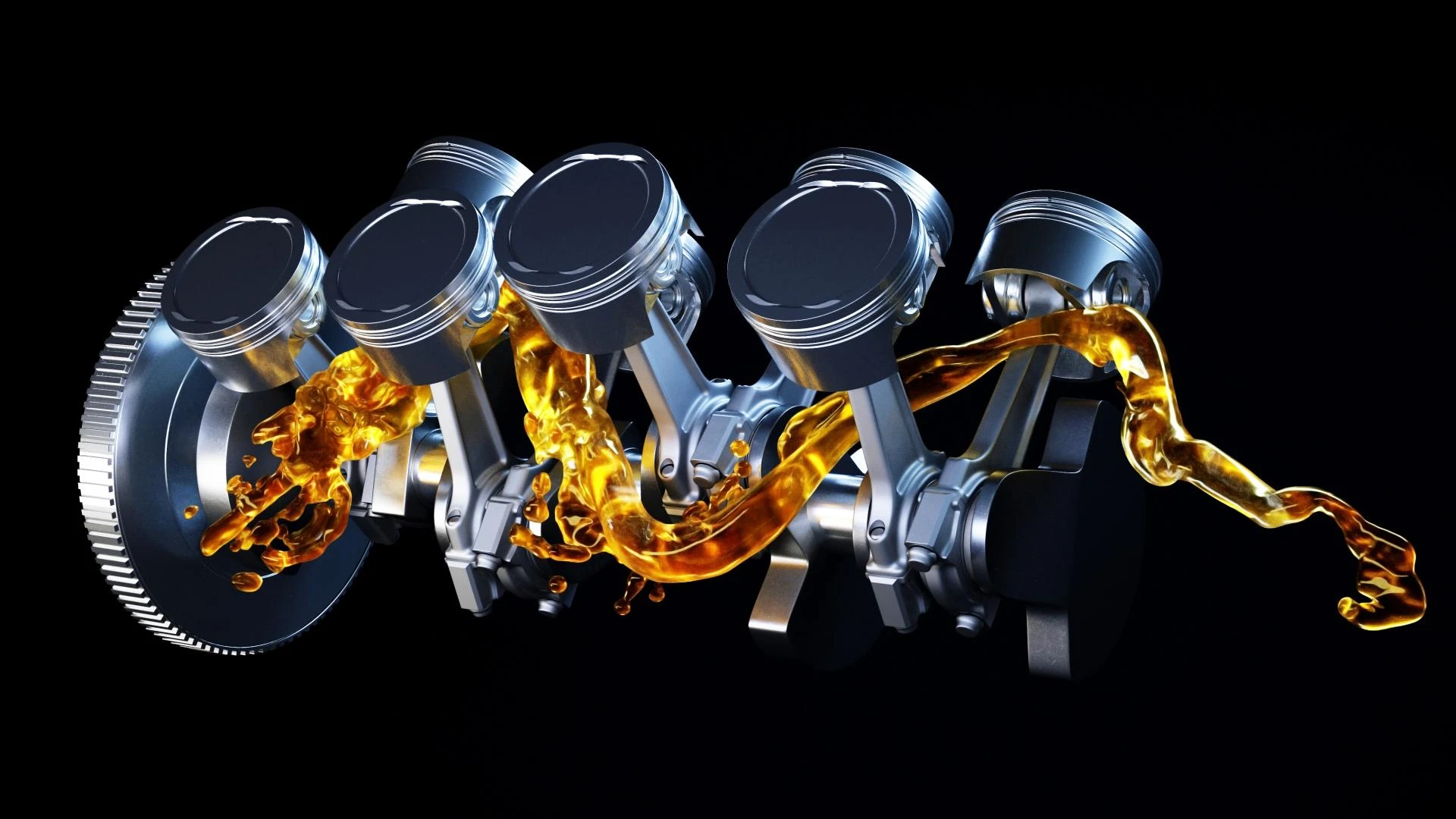
Today, we will discuss the lubrication system that an engine uses. How does the lube oil system in diesel engines work, and what are the parts of the engine's lubrication system? We will also speak regarding the Cummins spare parts for the lubrication systems. In addition, we will look at the oil filters and the additives and oils you can use to repair diesel engines, suggested after over 70 years of knowledge.
What is the Diesel Engine Lubrication System
The diesel engine's lubrication system disperses oil to all its components, reducing surface friction. This also decreases wear and extends the life of engines and their parts.
The Functionality of Lube Oil System in Diesel Engines and Important Parts
Below is the functionality and some of the important parts of the lube oil system in diesel engines:
Oil Pump
The oil pump is the core of the entire lubrication process. It removes liquid from the crankcase (the engine's oil reservoir) and pumps it under pressure through the lubrication system.
Oil Filter
Before it reaches the engine's moving components, oil passes through an oil filter, eliminating particles and impurities that can damage the engine.
Lubrication Circuit
Diesel engine oil is used for lubrication. It is distributed via the engine's lubrication circuit, which is comprised of galleries and ducts that carry the oil to every moving component that needs to be lubricated. This includes connecting rods, bearings, camshafts, and cylinders.
Cooling of Diesel Engine
Oil also contributes to engine cooling by absorbing heat produced through friction between moving parts and then transferring this heat away from your engine.
Heat Exchanger
Certain diesel engines come with a heat exchanger to cool the oil before it is returned to the engine.
Oil Sump
This is where diesel engine oil is stored when it is not being used. It also serves as a sump for the oil after lubricating moving parts.
Oil Pressure Sensor
Monitors the pressure of oil within this system to guarantee that it is flowing properly and warn of any potential problems with the lubrication system.
This cycle is repeated continuously as long as your engine runs. In summary, the purpose of the lube oil system in diesel engines is to ensure that every moving part is properly coated to minimize wear and friction, resulting in smoother operation and longer engine life.
Types of Lube Oil Systems in Diesel Engines
Below are the various types of lube oil systems used in diesel engines, their working principles, and their significance.
Splash Lubrication System
The splash lubrication system is among the most basic types of lubrication used in diesel engines, which are low speed and smaller. It depends on the crankshaft and connecting rods to spray oil on the engine components.
How Does it Work?
· Oil is stored inside the crankcase, and rotating components capture it.
· The movement of the crankshaft or connecting rods causes oil to splash over pistons, cylinder walls, and other moving parts.
· The excess oil is pumped back into the sump where it can be reused.
Force-Feed Lubrication System
A force-feed lubrication method, also known as a pressure lubrication method, is typically used in high- and medium-speed diesel engines. This system guarantees constant oil circulation under pressure.
How Does it Work?
· An oil pump pulls liquid from the sump and pressurizes it before transferring it to the engine's components.
· The oil is circulated through holes in the camshaft, crankshaft, rods, and bearings.
· After lubricating the parts, the oil is returned to the sump, filtered and re-used.
Dry Sump Lubrication System
The dry sump lubrication method is typically used in high-performance diesel engines such as racing and marine engines. It guarantees a continuous oil flow and helps prevent starvation during extremely harsh operating conditions.
How Does it Work?
· The oil is stored in a reservoir outside rather than in the crankcase.
· A scavenging pump is a device that collects oil from the sump of the engine and then transfers it to the reservoir.
· Another high-pressure pump supplies filtered oil to the engine's components.
· The oil then circulates through the sump and is repeated.
Wet Sump Lubrication System
The wet sump lubrication method is the most frequently used lube oil system in automobile or industrial diesel engines. It involves storing oil in the engine's sump and dispersing it through a pressurized system.
How Does it Work?
· Oil is stored in a sump underneath the engine.
· An oil pump pulls water from the sump and circulates it under pressure to provide lubrication to moving parts.
· After lubricating the engine oil is then sucked to the sump.
Mist Lubrication System
Mist lubrication is usually used in two-stroke diesel engines when direct oil injection is not feasible. This technique uses mists of oil carried through the air to lubricate the engine's components.
How Does it Work?
· An oil mist is produced and is mixed with the air intake.
· The air-oil mix is dragged into the crankcase and distributed to the moving components.
· The excess oil is either burned during combustion or gathered and then recirculated.
Hydrostatic Lubrication System
The hydrostatic lubrication method is used in large diesel industrial engines and heavy-duty marine applications requiring high load-bearing capacity.
How Does it Work?
· Oil that is pressurized is pumped into the bearing surfaces, forming the appearance of a thin film of oil that stops metal-to-metal contact.
· A high-pressure pump continuously supplies oil, maintaining the film of lubrication even at lower speed.
Wrapping Up
The best diesel engine oil will depend on the design of the engine's operating requirements and environmental conditions. Each has advantages and drawbacks, from simple splash-lubrication to advanced dry sump and hydrostatic systems.
Properly managing lubrication is essential to maximizing engine efficiency, lowering maintenance costs, and extending the life of diesel engines. Knowing the lubrication systems helps mechanics, engineers, and operators make educated choices about maintenance and optimization for various applications.