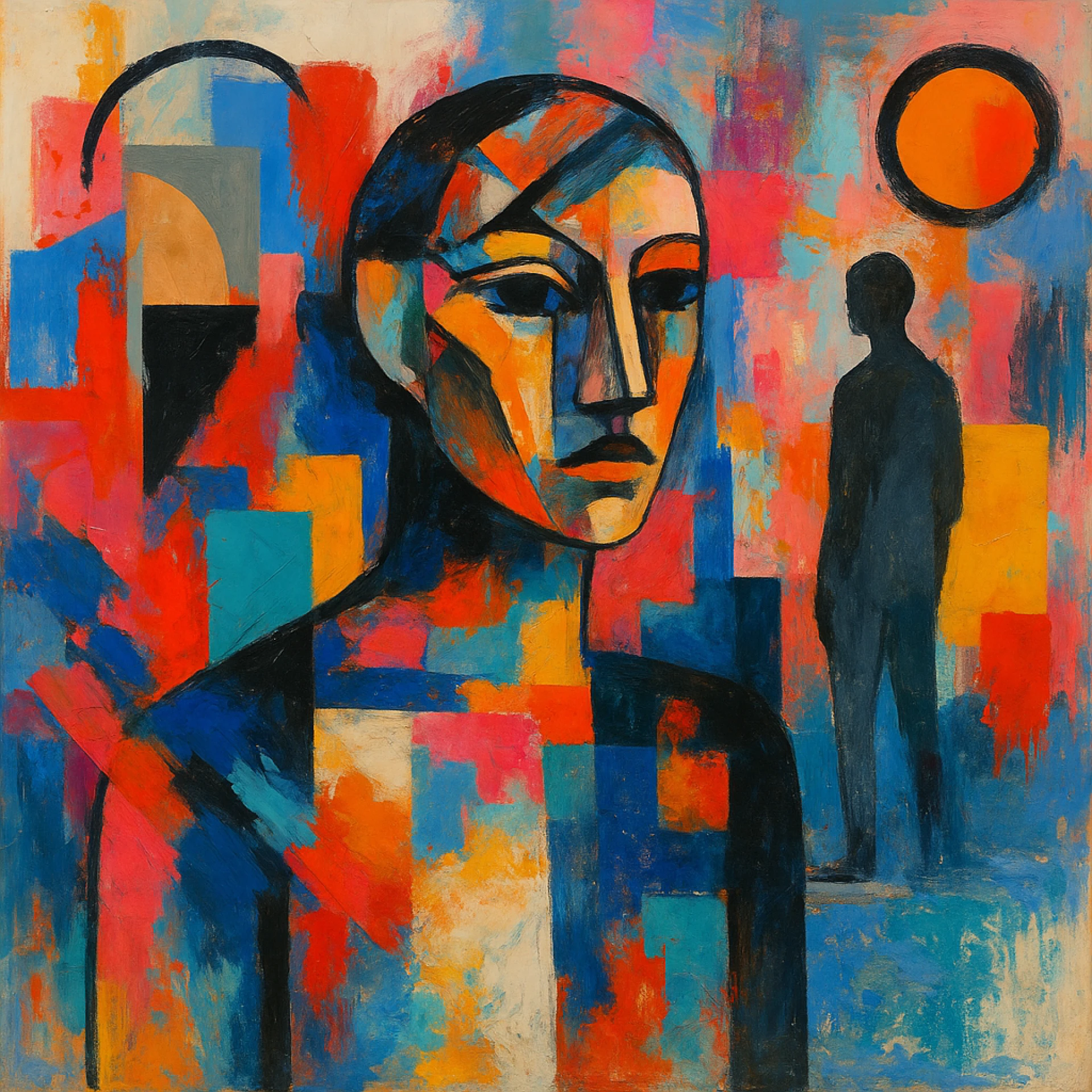
While the world around us is always changing, so is the art that tries to represent and create it. Contemporary Art today is one of the most dynamic and eclectic of the creative expressions in current times. Free from the shackles of tradition, it is all about innovation, experimentation, and very much an acute sense of culture and society at that particular time.
What makes up Contemporary Art?
Unlike classical or modern art, Contemporary Art is not tied to any movement, medium, or philosophy. It is inclined to refer to artworks created from late 20th century onwards by artists who represent modern ideas, values, and technology.
The elegance of Contemporary Art lies in its liberty. It is hyperreal or abstract, political or humorous, computer-generated or handmade. It crosses media, frequently confusing the boundaries between sculpture, video, photography, and even virtual reality. Such versatility enables the artist to comment on matters from identity and global warming to globalization and mental illness—rendering the art form strongly relevant and potent.
A Mirror of Modern Society
Essentially, Contemporary Art is viewer-artist dialogue, encouraging reflection and emotional response. It is very connected to the present moment, commonly placing its themes in concordance with issues at hand and social change today.
Painters such as Kara Walker, Banksy, and Olafur Eliasson utilize their work to bring issues such as racial disparity, consumerism, and environmental pollution to light. Not only does this require the observer to see, but to think, feel, and react. This is what renders contemporary pieces more than paintings—but experiences.
The Rise of Art Beyond the Gallery
Most thrilling of all is its spread outside the boundaries of traditional galleries. The web, social media, and virtual galleries have made art more accessible than ever before. Street art, public installations, and web sites are transforming the way we find and interact with art.
This democratization has enabled new artists of all kinds to speak and be heard without being obliged to adhere to preconceived art-world expectations. It has also given connoisseurs and collectors the power to access global art worlds in their own homes.
Investing in Contemporary Art
As it gains increasing stature and visibility, Contemporary Art is now a sought-after investment. Its emotional appeal and financial potential induce collectors to purchase pieces by new or mid-career artists.
Investment in art is not always about future profit, though. It's about allowing creativity, culture, and narrative to take wing. Consumers now are more introspective, looking for pieces reflective of their own sensibilities and meaningful as something more to them.
Sites like Artsy, Saatchi Art, and local art festivals make it easier to get started. Whether a seasoned purchaser or just a curious novice, there is a world of unique, meaningful works waiting to be found.
A Future Without Limits
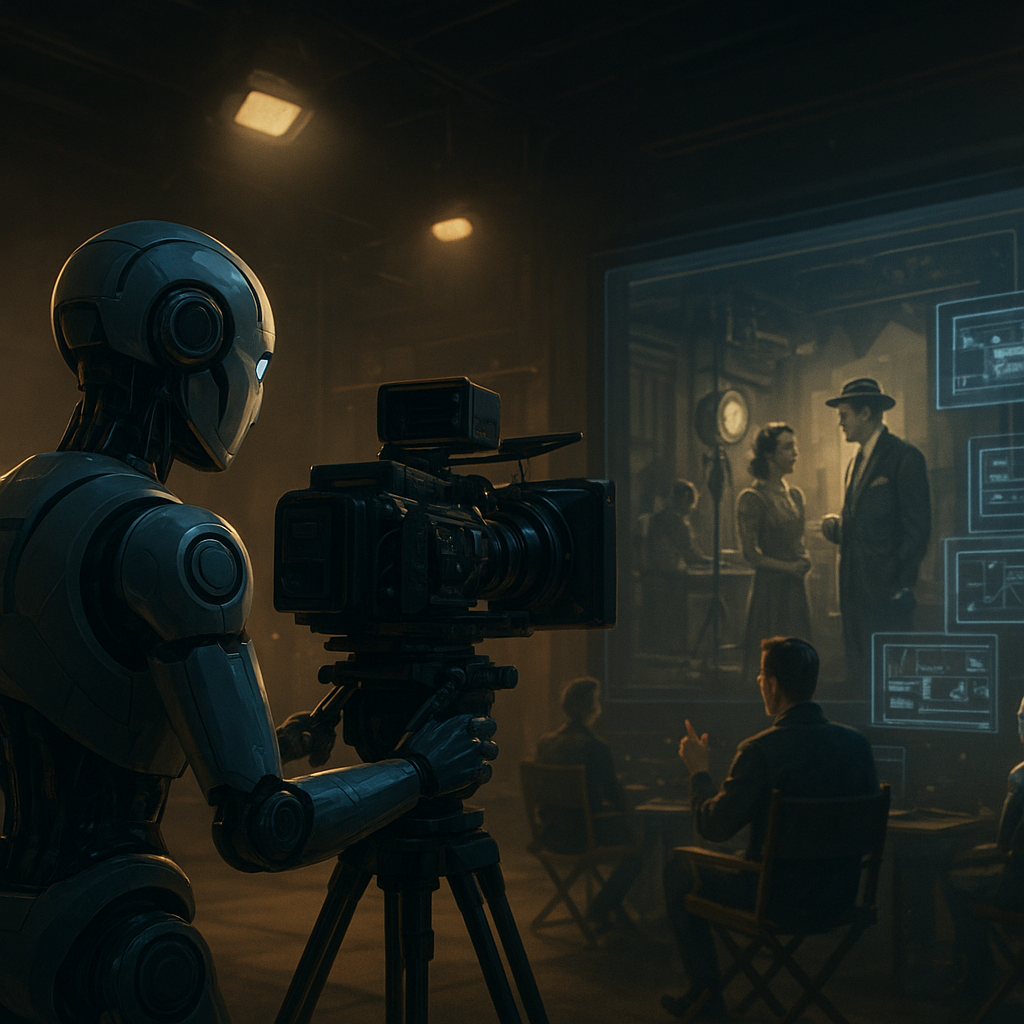
The fate of Contemporary Art is as colorful and contradictory as the world itself. With technology such as AI and NFTs being integrated into the art community, we can only imagine further breakthroughs in how art is made, seen, and shared.
But while the weapons will change, the essence of Contemporary Art—its ability to mirror, ask questions, and engage—doesn't change. It still offers a powerful lens that we can peer through and better understand the complexities of our time.
Final Thoughts
Contemporary Art isn't all about appearance; it's about meaning, motion, and momentum. Whether you see a vibrant street mural, view an online gallery, or observe a live show, contemporary pieces remind us that art is alive—and so is the thought behind it. In this dynamic world, one thing we can be sure of: contemporary art is here to stay, develop, and inspire.