Accuracy with safety in chemical testing and laboratory procedures is required. One compound that often needs caution is Ceric Ammonium Nitrate TS. It’s a bright orange-red chemical that is used for qualitative analysis, especially in oxidation-reduction reactions.
With its powerful chemical properties comes an important question:
Is Ceric dangerous to use?
Find out in this blog what it is, its properties, potential hazards, and more.
What is Ceric Ammonium Nitrate TS?
It is often abbreviated as CAN TS. It is a test solution made from ceric ammonium nitrate, a strong oxidizing agent. It’s a bright orange-red chemical that is used in chemical laboratories to detect alcohols and other organic functional groups. Because of its high oxidative power, it has found a place in both academic and industrial settings.
Its oxidizing nature also means it's reactive, which is where the safety concerns begin to surface. But before sounding the alarm, let’s take a look at what makes this compound both useful and potentially hazardous.
What are Its Chemical Properties?
This compound consists of cerium (Ce), a rare earth metal in its +4 oxidation state, and ammonium nitrate, a compound with its own set of reactive properties. When combined, they form a bright red-orange crystalline solid that is readily soluble in water and nitric acid.
Ceric Ammonium Nitrate TS is prized in qualitative testing for its ability to change color when it reacts with specific functional groups, especially alcohols. This color change forms the basis of various analytical procedures. However, this chemical reactivity, while beneficial for testing, also underlines its classification as a hazardous substance.
Is Ceric Ammonium Nitrate TS Hazardous?
The short answer is yes, but with proper handling and precautions, it can be used safely. Here is the breakdown of potential risks:
Oxidizing Agent
CAN TS is a strong oxidizer, meaning it can react violently with combustible materials. If stored improperly or mixed with organic materials, it can increase the risk of fire or explosion.
Skin and Eye Irritant
Direct contact with Ceric Ammonium Nitrate TS may cause irritation to the skin and eyes. Prolonged exposure or high concentrations could result in burns or other forms of chemical damage.
Inhalation Hazard
When handling the powdered form of Ceric Ammonium or working in areas with poor ventilation, there is a risk of inhaling chemical dust. This can cause respiratory irritation and, in some cases, long-term lung effects if exposure is chronic.
Environmental Concerns
Don’t throw this substance down the drain or into the environment because it can harm fish and other water animals because it's toxic and reactive.
Safe Handling Practices
Now that we know Ceric Ammonium Nitrate TS can be hazardous under certain conditions let’s learn how to use it safely. Most laboratories are well-equipped to manage chemicals like these with proper protocols.
To keep yourself safe, you must follow these guidelines:
Use Personal Protective Equipment (PPE)
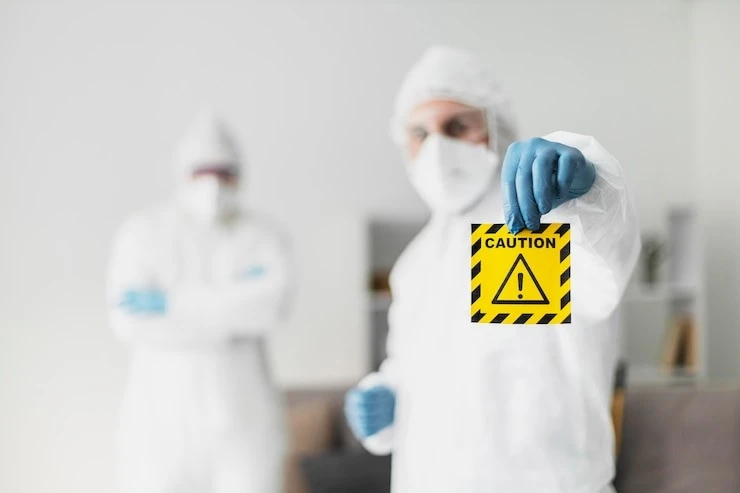
Always wear gloves, goggles, and a lab coat when handling Ceric Ammonium Nitrate. If there's a risk of splashing, face shields are also recommended.
Work in a Well-Ventilated Area
Use a fume hood whenever possible to prevent inhalation of any fumes or dust. This is especially important when heating or dissolving the compound.
Store Properly
Keep the container tightly closed and stored in a cool, dry, and well-ventilated area. Store away from organic materials, reducing agents, and flammable substances.
Dispose Responsibly
Follow your facility’s chemical waste disposal guidelines. Do not flush this chemical or its solutions into the sewer system.
What Does the Safety Data Sheet (SDS) Say?
The Safety Data Sheet for Ceric Ammonium Nitrate TS classifies it under several hazard categories, such as
· Oxidizing solids
· Acute toxicity (oral)
· Skin and eye irritation
· Environmental hazards
It includes all the standard pictograms and precautionary statements you'd expect from a potentially reactive substance.
While this might sound intimidating, it's important to remember that many commonly used lab chemicals have similar hazard profiles. The key is knowing how to manage the risks.
Is It Still Worth Using?
Absolutely.
The benefits of the Ceric Ammonium Nitrate test solution in analytical chemistry far outweigh the risks when used correctly. It’s a powerful tool for detecting specific organic compounds, which is why it remains a staple in labs despite its hazards.
For research, forensic, and industrial labs, the reliability and sensitivity of CAN TS make it indispensable. It’s all about balancing usefulness with responsibility.
Final Words
Ceric Ammonium Nitrate TS is risky to use, but only if misused or mishandled. With the right knowledge, procedures, and precautions in place, it can be just as safe as any other chemical in a controlled lab environment.
If you're working with chemical test solutions, it's important to know the risks and follow safety rules to stay safe. If you're a student or just starting out, don’t be afraid of the word “hazardous”—just use it as a reason to learn more.