Corporate learning has undergone a significant transformation in recent years. Organizations are no longer relying solely on classroom training or static presentation materials to educate employees. Instead, companies are investing in digital learning technologies that allow training programs to reach employees across different locations and time zones while maintaining consistent learning standards.
In this shift toward modern learning environments, eLearning authoring tools have become essential. Training teams and instructional designers often explore what is articulate 360 when evaluating platforms that support interactive course creation and scalable training programs. Understanding what is articulate 360 helps organizations see how modern digital learning platforms make it easier to design engaging courses, distribute training content efficiently, and support continuous workforce development.
By combining course development tools, content libraries, and collaboration features, Articulate 360 has become one of the widely used solutions for creating professional eLearning experiences.
What Is Articulate 360?
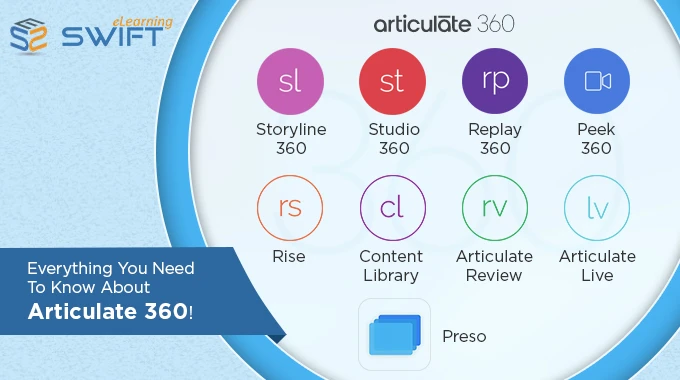
Articulate 360 is a cloud-based suite of tools designed for building interactive eLearning courses and digital training programs. It allows instructional designers and learning teams to create multimedia lessons, quizzes, simulations, and scenario-based training modules that can be delivered through learning management systems (LMS).
The platform includes several integrated tools that simplify course design while enabling developers to create professional learning experiences without extensive programming knowledge.
Why Digital Learning Platforms Are Important for Organizations
Companies today must train employees quickly while adapting to new technologies, regulations, and workplace expectations. Traditional training approaches can struggle to keep pace with these changes, especially in organizations with large or distributed teams.
Digital learning platforms help address these challenges by enabling organizations to deliver training programs that are flexible, accessible, and scalable. Employees can complete courses at their own pace, revisit learning materials when needed, and access training from various devices.
When organizations research what is articulate 360, they are often looking for solutions that help them deliver structured training programs while supporting modern learning strategies such as microlearning and remote training.
How Companies Use Articulate 360 for Digital Learning
Many organizations use Articulate tools to create a wide variety of training programs that support employee development and organizational growth.
Employee Onboarding Programs
Onboarding new employees effectively is critical for helping them understand company policies, culture, and job expectations. Digital onboarding courses allow organizations to provide consistent training experiences to every new hire.
Instructional designers often build interactive onboarding modules that include company introductions, workplace guidelines, and role-specific training content.
Compliance and Regulatory Training
Many industries require employees to complete regular compliance training related to safety regulations, legal standards, or data protection policies.
Digital courses created with Articulate tools allow companies to deliver compliance training efficiently while tracking course completion through learning management systems.
Product and Sales Training
Organizations frequently use digital learning to train employees on new products, services, or sales strategies. Interactive learning modules can demonstrate product features, simulate customer interactions, and test employee knowledge.
This approach allows sales teams and customer support staff to gain practical knowledge before interacting with clients.
Leadership and Professional Development
Leadership development programs are another area where digital learning tools are widely used. Companies can create training modules that help employees develop communication skills, decision-making abilities, and management strategies.
Interactive scenarios allow learners to practice handling workplace situations, making training more engaging and realistic.
These applications illustrate why learning professionals often explore what is articulate 360 when designing enterprise learning programs that support long-term workforce development.
Key Features That Support Scalable Training
One of the reasons organizations adopt digital authoring platforms is the ability to create training content that can scale across large teams.
Articulate 360 offers several features that help organizations expand their learning programs efficiently.
Interactive Course Development
Instructional designers can create courses that include multimedia elements such as videos, animations, quizzes, and clickable interactions. These elements help maintain learner engagement while reinforcing key concepts.
Mobile-Friendly Learning
Modern employees often access training on multiple devices, including smartphones and tablets. Courses created with Articulate tools can be published in formats that work across different screen sizes.
Learning Management System Compatibility
Courses developed using Articulate tools can be exported in widely supported formats such as SCORM and xAPI. This allows organizations to upload courses to their LMS and track learner progress, completion rates, and assessment results.
Companies providing elearning development services, such as Swift elearning services, often combine authoring platforms with LMS strategies to create comprehensive digital learning ecosystems.
Benefits of Using Articulate 360 for Corporate Learning
Understanding what is articulate 360 also involves recognizing the advantages the platform offers training teams and organizations.
Faster Course Development
Templates, design assets, and prebuilt interactions help instructional designers build courses more quickly compared to traditional development methods.
Consistent Learning Experiences
Digital training ensures that employees across different locations receive the same information and learning experience.
Flexible Content Updates
Training materials can be updated easily when policies, procedures, or product information changes.
Engaging Learning Design
Interactive learning experiences encourage employees to participate actively rather than simply reading or watching training materials.
These advantages make digital authoring tools an important component of modern digital learning solutions.
Conclusion
As organizations continue investing in employee development, digital learning technologies are becoming a central part of corporate training strategies. Platforms that enable interactive course creation, efficient content updates, and scalable delivery allow companies to train employees more effectively across diverse teams.
Understanding what is articulate 360 provides insight into how modern authoring tools support the development of engaging training programs that can adapt to changing business needs. By enabling instructional designers to create interactive and accessible learning experiences, platforms like Articulate 360 help organizations build training programs that support both immediate learning goals and long-term workforce development.
As digital learning continues to evolve, organizations will increasingly rely on tools that make training more flexible, engaging, and accessible for employees worldwide.