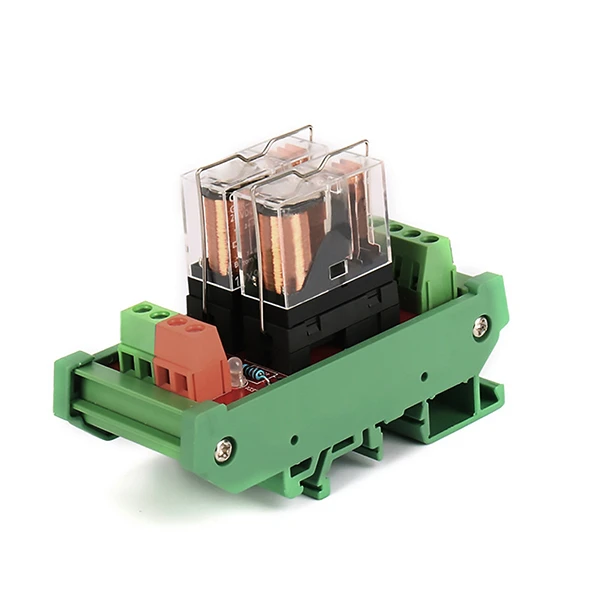
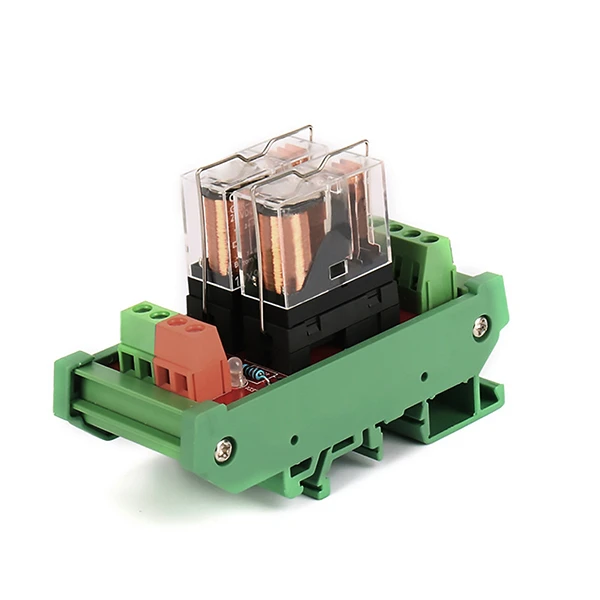
In an era filled with microcontrollers, IoT devices, and solid-state switches, it's easy to overlook the humble electromagnetic relay module. Yet, for applications that demand electrical isolation, mechanical switching, and reliable load control, relay modules remain one of the most versatile tools in the automation and electronics world.
But what exactly is an electromagnetic relay module, how does it work, and when should you use one instead of newer alternatives? Let’s break it down.
How Does an Electromagnetic Relay Module Work?
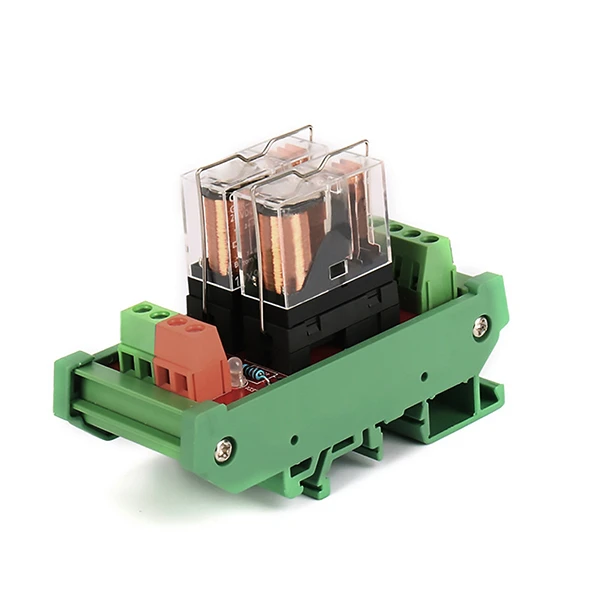
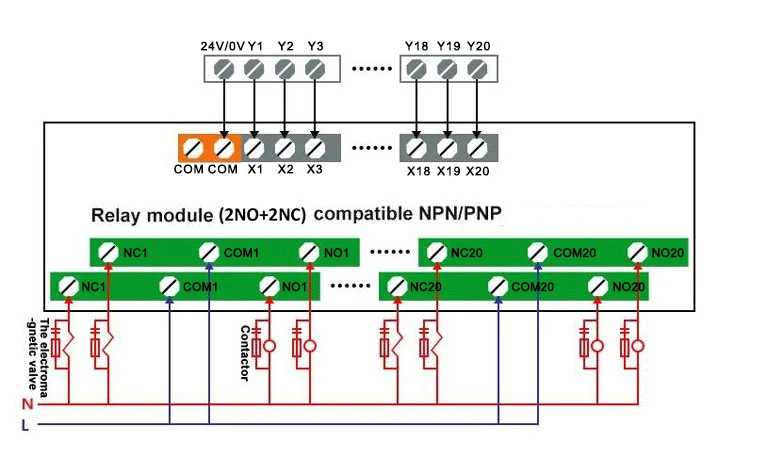
At its core, an electromagnetic relay is a switch operated by a magnetic coil. When a small voltage is applied to the coil input, it generates a magnetic field that mechanically closes (or opens) a contact, allowing a separate circuit to be powered or interrupted.
A electromagnetic relay module builds on this concept by integrating:
- One or more electromagnetic relays
- Terminal blocks for load wiring
- Status indicators (LEDs)
- Flyback diodes or optocouplers for protection
- Logic-level compatibility (e.g., 5V, 12V, 24V control)
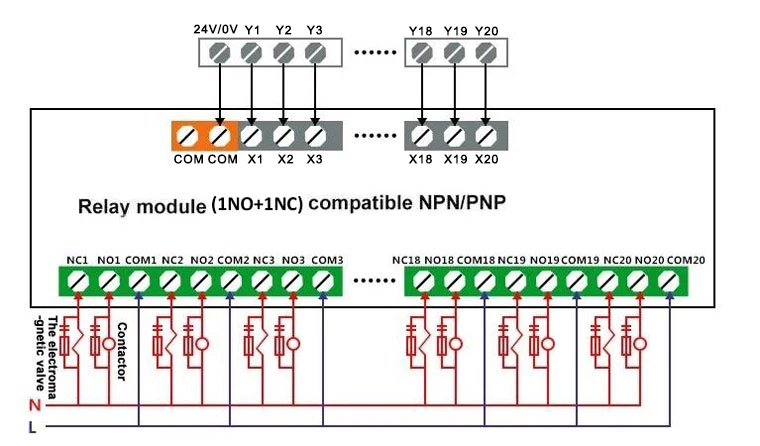
In short, it becomes plug-and-play, allowing easy control of AC or DC loads from microcontrollers, PLCs, or low-voltage systems without electrical interference.
Why Choose a Relay Module Instead of a Solid-State Switch?
Though solid-state relays (SSRs) offer faster, noiseless switching with no mechanical wear, electromagnetic relay modules still shine in several key scenarios:
- True Electrical Isolation – Mechanical contacts provide complete galvanic separation.
- Wider Load Range – Better for switching high inrush current or inductive loads like motors, transformers, or solenoids.
- Cost Efficiency – Relay modules are more budget-friendly, especially in multi-channel applications.
- Visual Feedback – You can hear or see the click, which is useful in testing or maintenance.
In industries like HVAC, lighting control, industrial machinery, and building automation, relay modules are often the default solution for basic but robust switching.
Where Are Electromagnetic Relay Modules Used?
- PLC Output Expansion – When a PLC needs to control high-voltage loads like pumps or heaters, relay modules provide an interface between logic and power circuits.
- Arduino & Raspberry Pi Projects – Makers and engineers often use relay modules to control lamps, appliances, or motors via low-voltage digital pins.
- Building Automation – Used in lighting, HVAC, access control, and more—offering reliable switching without software complexity.
- Industrial Equipment – Often mounted on DIN rails inside control cabinets to operate conveyors, alarms, fans, or emergency cutoffs.
Whether you're building a DIY smart home project or designing a commercial automation panel, relay modules remain indispensable.
What to Look for in a Relay Module
When selecting a relay module, consider:
- Coil voltage: 5V, 12V, or 24V depending on your control system
- Number of channels: Single or multi-channel (2, 4, 8, or more)
- Contact rating: Match the load current and voltage
- Optocoupler isolation: Adds protection against voltage spikes or feedback
- Mounting method: Screw terminals, rail mount, or PCB-compatible
Why Choose ATO’s Electromagnetic Relay Modules?
ATO's electromagnetic relay modules are designed for industrial reliability, compact installation, and broad compatibility. Key features include:
- Available in 1–8 channels, with coil voltages from 5V to 24V
- DIN rail or PCB mount options
- High-quality mechanical relays with long service life
- Built-in protection (flyback diode, optoisolation)
- Compatible with PLCs, microcontrollers, and field I/O systems
Whether you’re controlling a heavy-duty motor or automating a home device, ATO’s relay modules give you safe, scalable switching at an affordable price point.
Final Thoughts
While solid-state solutions and smart relays are growing in popularity, electromagnetic relay modules remain unmatched in simplicity, versatility, and cost-effectiveness. For applications that require physical separation between control and load—and where occasional mechanical switching is acceptable—they are still the most practical choice.
From industrial control panels to maker boards, they continue to bridge the gap between logic-level control and real-world electrical power.