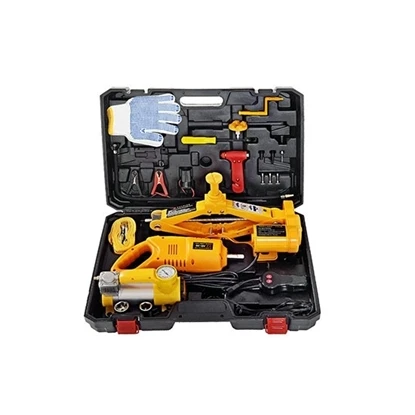
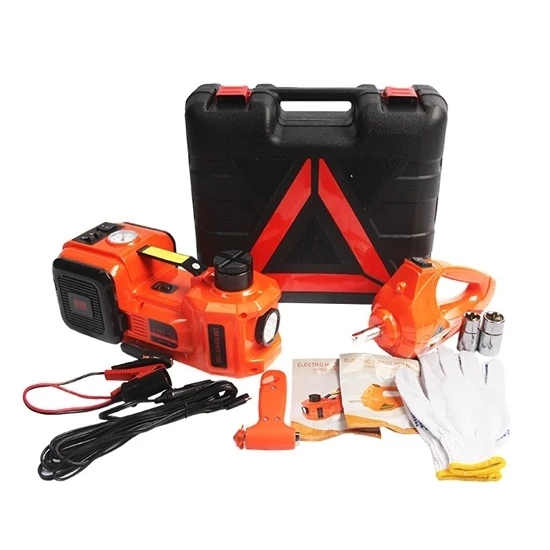
When it comes to lifting heavy vehicles, trailers, or equipment, the days of cranking a manual jack by hand are rapidly fading. Electric jacks offer faster, safer, and more user-friendly lifting with just the press of a button. But how do they work, and how do you choose the right one for your needs?
Let’s break down what an electric jack really is, how it compares to traditional alternatives, and where it’s most useful.
What Is an Electric Jack?
An electric jack is a lifting device powered by electricity—either through a battery, car power outlet (12V/24V), or AC adapter—designed to raise heavy loads without manual force. Most electric jacks use a screw-drive or gear system to convert rotary motion into vertical lifting, making them both powerful and precise.
Unlike hydraulic jacks that require pumping or manual bottle jacks that rely on human strength, electric jacks automate the entire process. They're typically used for lifting cars, RVs, utility trailers, machinery, and workshop equipment.
Why Choose an Electric Jack Over a Manual or Hydraulic Jack?
1. Ease of Use
No more crawling under the vehicle or turning a crank. Electric jacks offer one-touch lifting, ideal for older users or professionals who need to lift multiple times per day.
2. Time Efficiency
A manual jack may take minutes to lift a vehicle. Electric jacks can do it in under 60 seconds, with consistent torque and no muscle fatigue.
3. Consistency and Safety
With built-in limit switches and load sensors, many electric jacks stop automatically at safe height limits. Some even include built-in lights for night use or emergency roadside assistance.
4. Integration and Portability
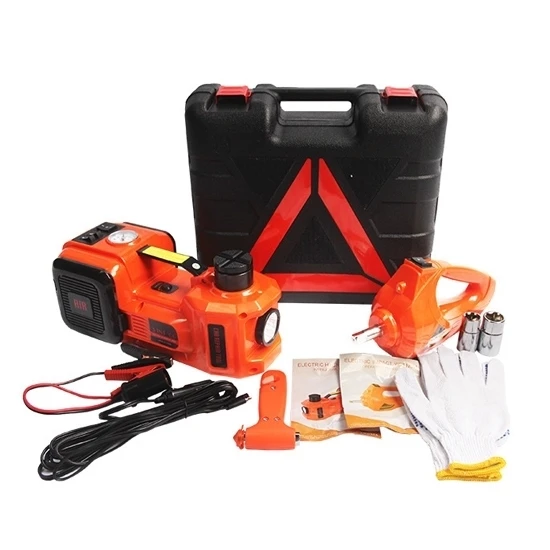
Modern models like those from ATO come in compact, portable units—with storage boxes, remote controls, and overload protection. They’re especially helpful for fleet maintenance, roadside repair, and trailer support.
Key Applications for Electric Jacks
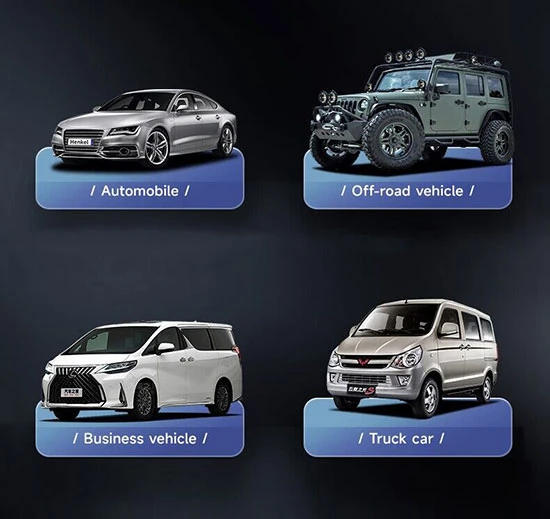
- Passenger vehicles and sedans – Ideal for tire changes, emergency lifts, or home garage work.
- RVs and travel trailers – Where frequent height adjustment is needed for stability or leveling.
- Utility trailers and agricultural equipment – Heavy-duty models can handle loads exceeding 5 tons.
- Workshops and auto service bays – Electric jacks save time and reduce fatigue for technicians.
What to Look for in an Electric Jack
When choosing the best electric jack for your needs, consider the following:
- Lifting capacity: Always check if the rated tonnage exceeds your vehicle’s weight.
- Lifting height: Ensure the jack can reach both low and high clearance vehicles.
- Power source: 12V DC (car outlet), 24V DC, or 110V/220V AC—depending on your environment.
- Material and build: Look for steel construction, anti-slip bases, and water-resistant casing.
- Safety features: Overload protection, emergency shut-off, and manual override are essential.
Why ATO Electric Jacks?
ATO Electric Jacks offer a range of models tailored for automotive, trailer, and industrial use. With features like:
- Quiet electric motors
- Integrated control boxes
- Wide lifting range (from 3 tons to 10 tons+)
- Stable screw rod systems
- Easy remote operation
ATO's electric jacks are engineered for precision, safety, and long-term durability, whether you’re a weekend DIYer or a professional mechanic.
Final Thoughts
If you've ever wondered whether an electric jack is worth the investment, the answer depends on your use case. For anyone who values safety, speed, and convenience, especially in mobile or heavy-duty environments, the electric jack is more than a luxury—it’s a practical upgrade.
And with smarter features and better reliability than ever, tools like the ATO electric jack are not just replacing manual systems—they’re redefining how we lift, maintain, and move vehicles.