
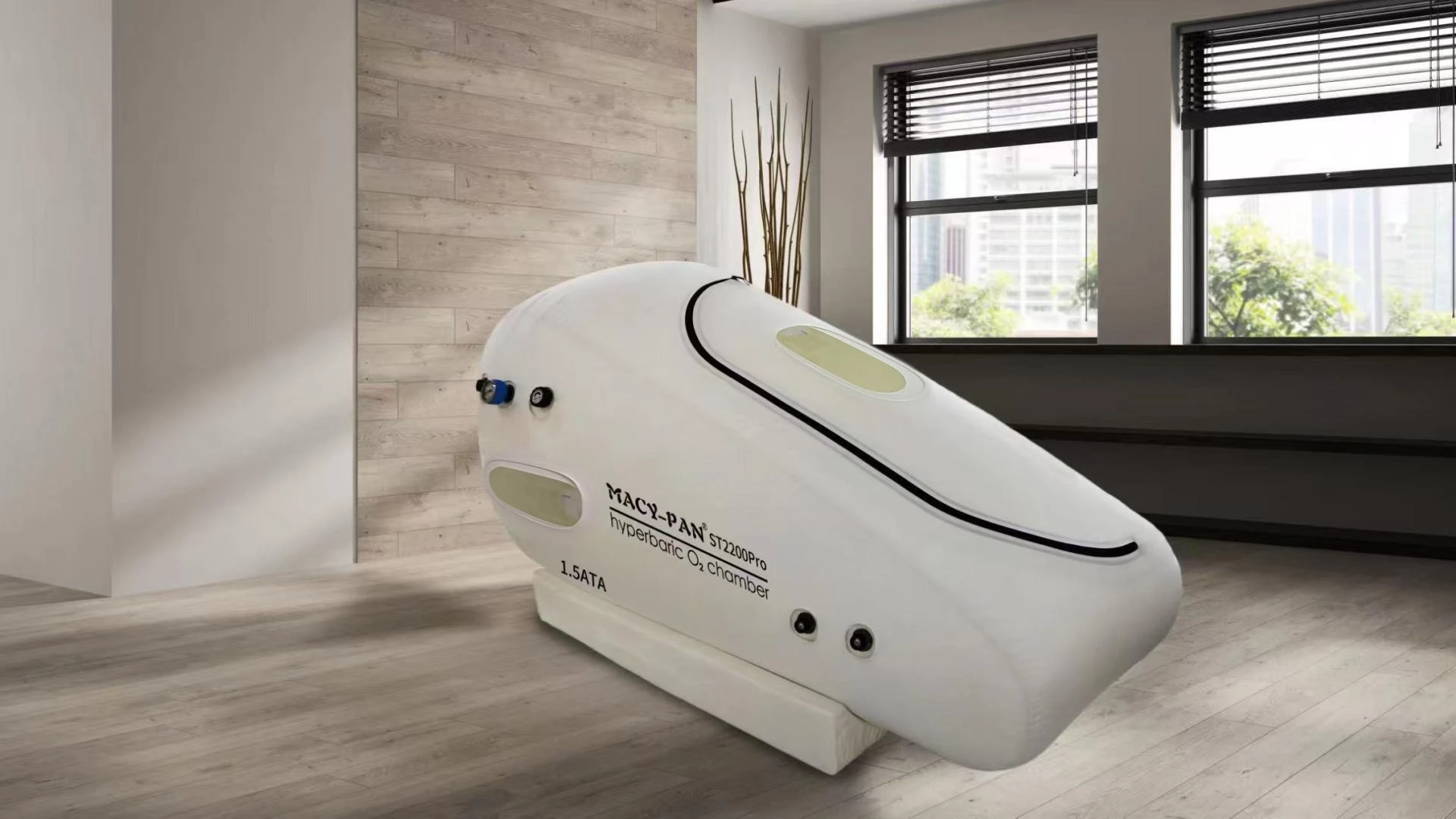
Over the past few years, I’ve noticed a steady rise in interest around the sitting hyperbaric chamber, especially from people who want oxygen therapy without rearranging their entire home or clinic. Space, comfort, and ease of use have become just as important as performance. That’s where this design stands out.
Traditional chambers are large and require users to lie down for extended periods. For many people, that’s uncomfortable or impractical. I’ve spoken with individuals who stopped therapy simply because they felt confined or struggled to get in and out of a horizontal chamber.
In this guide, I’ll explain the real problem people face with access and comfort, why those issues often stop progress, and how a sitting hyperbaric chamber provides a practical solution. I’ll also share real-world U.S. examples, data, and my own observations so this feels like advice from a real person, not marketing copy.
The Problem: Space, Comfort, and Consistency in Hyperbaric Therapy
Hyperbaric oxygen therapy has a long history in U.S. healthcare. Hospitals use it for wound care, radiation injuries, and specific emergency treatments. According to the National Institutes of Health, increasing oxygen availability under pressure can support tissue repair and circulation. The challenge is that most people don’t have easy access to hospital-based systems.
A sitting hyperbaric chamber offers a different approach to mild hyperbaric oxygen therapy by allowing users to remain upright during sessions. For many people, that simple change removes mental and physical barriers. Older adults, busy professionals, and small wellness businesses across the U.S. are increasingly asking whether this format fits their needs better than traditional lay-down chambers.
Space is another major issue. Apartments, small homes, and compact clinics often can’t accommodate large equipment. Add in the cost of hyperbaric chamber ownership, and many people decide it’s not worth the effort. These barriers combine to reduce consistency, and without consistent sessions, outcomes suffer.
Agitation: What Happens When Design Gets in the Way of Results
When comfort and space become obstacles, therapy turns into a chore. I’ve seen this happen with a wellness studio in New Jersey that invested in a traditional lay-down chamber. Clients complained about entry difficulty, and session adherence dropped. The equipment itself worked fine, but the design didn’t match the users.
On a personal level, I’ve heard from older adults who avoided hyperbaric therapy altogether because lying flat aggravated back or breathing issues. Even when the science supports oxygen therapy, the experience matters. If people don’t feel at ease, they won’t commit.
The cost of hyperbaric chamber ownership also feels heavier when the equipment sits unused. Paying thousands of dollars for something that gathers dust is frustrating. That’s where the conversation shifts toward alternatives like the sitting hyperbaric chamber, which aims to remove these friction points.
The Solution: What a Sitting Hyperbaric Chamber Actually Is
A sitting hyperbaric chamber is a type of mild hyperbaric oxygen therapy system designed for upright use. Instead of lying down, the user sits comfortably inside a vertical or semi-vertical enclosure. Most models operate between 1.3 and 1.5 ATA, which aligns with commonly accepted standards for mild hyperbaric use in the U.S.
From my experience reviewing different setups, the sitting hyperbaric chamber is often easier for first-time users. Entry and exit feel more natural, especially for people with limited mobility. The chamber typically pairs with an air compressor and oxygen concentrator, allowing increased oxygen availability during sessions.
This design doesn’t replace hospital-grade systems, but it fills an important gap. It makes therapy accessible to people who would otherwise skip it due to discomfort or space limitations.
How the Sitting Hyperbaric Chamber Works in Daily Use
In daily use, a sitting hyperbaric chamber feels more like sitting in a comfortable enclosed chair than entering medical equipment. Users zip or seal the chamber, pressure increases gradually, and breathing remains normal throughout the session. Most sessions last between 60 and 90 minutes.
I’ve observed that people often read, work on tablets, or listen to audio during sessions. That ability to stay upright and engaged makes time pass faster. In U.S. homes, these chambers are commonly placed in spare rooms, offices, or wellness corners without major modifications.
Noise levels from compressors are present but manageable. From feedback I’ve gathered, users adapt quickly, and the routine becomes part of daily life. This ease of integration is one reason the sitting hyperbaric chamber appeals to busy professionals and older adults alike.
Benefits That Make This Design Stand Out
The most noticeable benefit is comfort. For people who struggle with lying flat, sitting upright feels natural. This leads to better session adherence, which is critical for any oxygen-based therapy. According to U.S. wellness studies, consistency is one of the strongest predictors of perceived benefit.
Space efficiency is another advantage. A sitting hyperbaric chamber takes up less floor space than traditional designs. This matters in urban areas where square footage is limited. Small clinics and recovery studios also benefit because they can offer hyperbaric sessions without major renovations.
From a business standpoint, flexibility improves return on investment. I spoke with a California wellness center that added a sitting hyperbaric chamber specifically to attract clients who were hesitant about traditional chambers. Within months, it became one of their most-used services.
Understanding the Cost of Hyperbaric Chamber Ownership
The cost of hyperbaric chamber ownership is always part of the conversation. In the U.S., a sitting hyperbaric chamber typically costs less than large hard-shell systems but more than some basic soft-shell lay-down units. Pricing varies by manufacturer, features, and included accessories.
What matters is long-term value. Clinic sessions can cost $150 to $300 per visit. For people using therapy multiple times per week, those expenses add up fast. Many owners reach a break-even point within a year when compared to ongoing clinic fees.
Maintenance costs are usually predictable. Filters, basic servicing, and electricity usage are manageable. From my perspective, understanding the full cost of hyperbaric chamber ownership upfront helps buyers avoid surprises and feel confident in their decision.
Limitations You Should Be Aware Of
While the sitting hyperbaric chamber solves many problems, it’s not perfect. Pressure levels remain in the mild range, which means it’s not intended for FDA-approved medical treatments that require higher pressure. Hospitals still rely on hard-shell systems for those cases.
Another consideration is individual fit. Taller or broader users should verify dimensions before purchasing. Comfort depends on proper sizing, and this is something buyers sometimes overlook.
Durability also varies by brand. While many U.S.-market models are well-built, users should focus on warranties and customer support. The experience after purchase matters just as much as the initial setup.
Real-World U.S. Examples and Practical Experiences
In Florida, a retirement community added a sitting hyperbaric chamber to its wellness offerings. Residents were more willing to try it compared to traditional chambers, largely because of ease of entry. Staff reported higher participation rates and fewer complaints about discomfort.
On a personal level, I’ve talked with remote workers who use a sitting hyperbaric chamber during breaks. They value the ability to stay upright and productive. While results vary, the consistent theme is convenience driving usage.
Small businesses also see value. A Texas recovery studio owner told me the sitting hyperbaric chamber reduced session cancellations because clients felt more relaxed about the experience. That reliability directly impacted revenue.
Conclusion
After looking at comfort, space, usability, and cost, it’s clear why the sitting hyperbaric chamber has carved out its place in the U.S. market. It addresses real problems that stop people from committing to hyperbaric therapy in the first place.
While it doesn’t replace hospital-grade treatment, it offers a practical solution for home users and small businesses focused on wellness and recovery. When buyers understand the cost of hyperbaric chamber ownership and set realistic expectations, satisfaction tends to be high.
From my experience, the biggest advantage is consistency. When therapy fits naturally into daily life, people actually use it. For many, that makes the sitting hyperbaric chamber a smart and space-saving approach to mild hyperbaric oxygen therapy.