
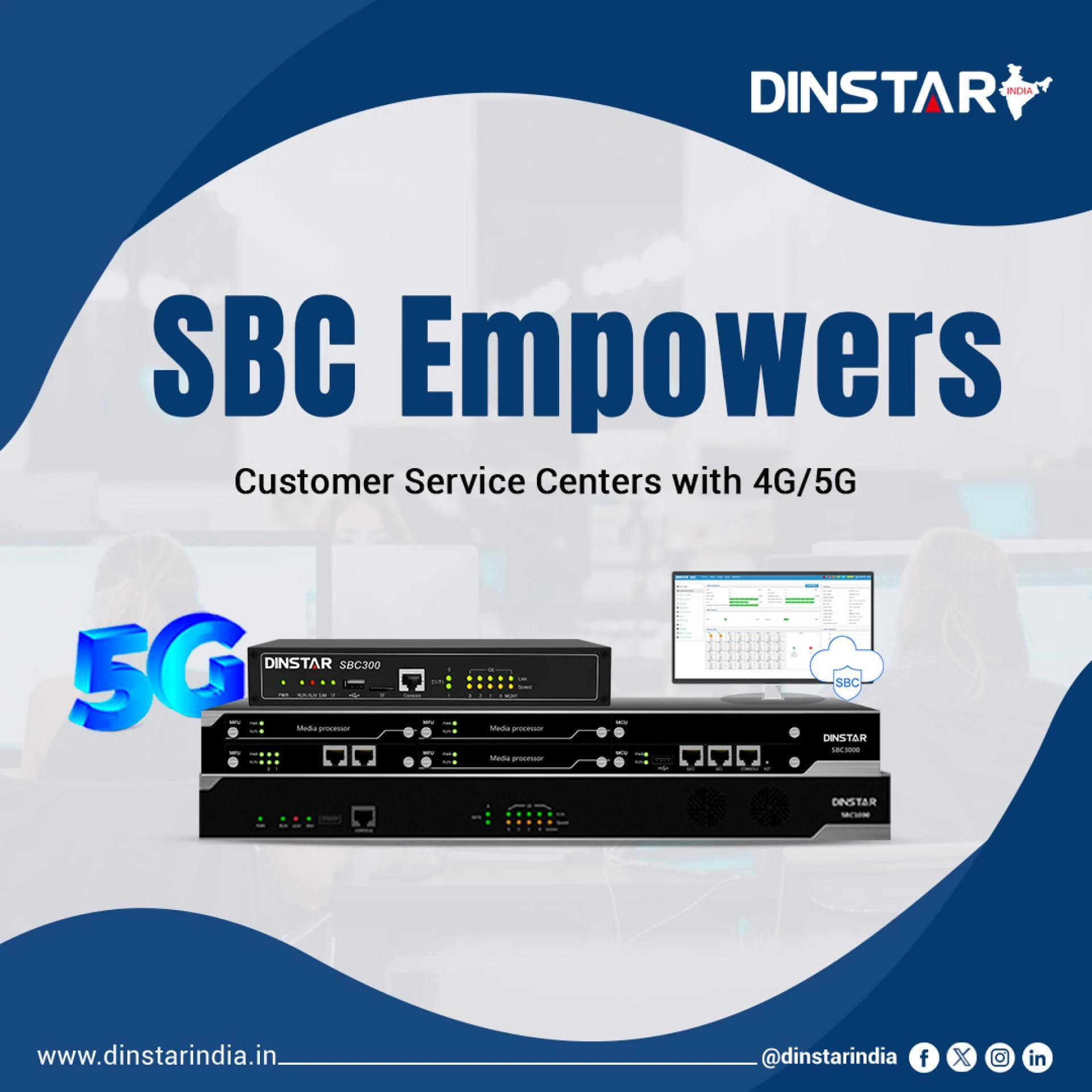
In today’s digital-first business landscape, Voice over IP (VoIP) and unified communication systems have become essential tools for effective communication. However, with this shift comes the growing need for robust security, quality management, and seamless interoperability. That’s where the Session Border Controller comes in—a critical component in modern VoIP and SIP-based networks.
In this blog, we’ll explore what a Session Border Controller is, how it works, and the key reasons why businesses—big or small—should consider integrating one into their network architecture.
What is a Session Border Controller (SBC)?
A Session Border Controller is a specialized device or software application that secures and manages VoIP traffic as it traverses network borders—especially between an enterprise network and a service provider or the internet. SBCs handle SIP (Session Initiation Protocol) sessions, ensuring smooth signaling and media exchange while protecting the network from various threats.
Whether it's call quality optimization, regulatory compliance, or security enforcement, an SBC plays a pivotal role in managing and controlling communication sessions.
How Does a Session Border Controller Work?
Think of the SBC as a gatekeeper for your VoIP infrastructure. Here’s what it does:
- SIP Signaling Control: SBCs monitor and manipulate SIP signaling to ensure call setup, maintenance, and teardown happen seamlessly.
- Media Stream Handling: They manage Real-Time Transport Protocol (RTP) streams to ensure voice and video packets flow smoothly.
- Security Enforcement: SBCs detect and prevent common VoIP attacks such as Denial of Service (DoS), call fraud, eavesdropping, and toll fraud.
- Network Interoperability: SBCs help connect VoIP systems from different vendors by translating signaling and media protocols.
- NAT Traversal: SBCs resolve Network Address Translation (NAT) issues that often arise with VoIP deployments.
By performing these functions, SBCs not only protect but also enhance the overall performance of a communication network.
Key Features of a Session Border Controller
Here are the must-have features to look for in an SBC:
1. Security & Threat Protection
SBCs provide a protective barrier against threats such as:
- SIP trunk fraud
- Unauthorized access
- RTP packet snooping
- Denial-of-Service attacks
2. Quality of Service (QoS)
By monitoring and managing bandwidth, latency, jitter, and packet loss, SBCs help maintain consistent call quality, even under heavy network load.
3. Protocol Interworking
SBCs can adapt communication between incompatible VoIP systems, solving issues related to codec mismatch, SIP headers, and DTMF signaling.
4. Session Routing & Load Balancing
They intelligently route sessions based on policies like time-of-day, call type, or user preferences, and distribute traffic evenly across multiple trunks or systems.
5. Encryption & Privacy
SBCs support TLS and SRTP encryption to ensure secure call signaling and media transmission, protecting sensitive communications from interception.
Benefits of Using a Session Border Controller
Enhanced Security
SBCs act as the first line of defense between internal systems and external threats. They shield your IP-PBX or SIP trunk from malicious actors and fraudulent calls.
Improved Call Quality
With built-in QoS policies and traffic shaping, SBCs ensure smooth and high-quality voice and video calls across all devices.
Regulatory Compliance
Enterprises can achieve regulatory compliance (such as GDPR, HIPAA, or PCI-DSS) by encrypting communications and securely logging call data.
Seamless SIP Trunking
For businesses using SIP trunks, SBCs are essential for translating SIP signaling and enabling interworking with diverse networks.
Flexible Deployment
Modern SBCs are available as:
- Hardware appliances for high-traffic networks
- Virtualized solutions for cloud or hybrid environments
- Cloud-native options for fully hosted UCaaS platforms
Common Use Cases of SBCs in Business Environments
🔸 Enterprises
For companies deploying IP PBXs, Unified Communications (UC), or contact centers, SBCs enable secure SIP trunking and efficient voice services.
🔸 Service Providers
VoIP providers use SBCs to protect their infrastructure, manage interconnects, and provide reliable voice services to customers.
🔸 Remote Work Enablement
With the rise of hybrid and remote work, SBCs ensure secure and high-quality communication across dispersed teams.
🔸 Interoperability Between Vendors
When organizations use VoIP solutions from different vendors (e.g., Cisco + Microsoft Teams), SBCs act as a bridge for smooth integration.
Choosing the Right Session Border Controller
Here are a few things to consider before choosing an SBC:
- Session Capacity – How many concurrent calls will your network handle?
- Interoperability Support – Does the SBC support the platforms and protocols you use?
- Security Features – Look for DoS protection, encryption, access control, and intrusion prevention.
- Management Tools – A user-friendly GUI, analytics dashboard, and real-time monitoring are helpful.
- Support & Updates – Choose a vendor with regular updates, documentation, and support services.
Final Thoughts
A Session Border Controller is no longer a luxury—it's a necessity for any modern VoIP-based communication system. From securing SIP trunks to enhancing audio quality and enabling protocol interoperability, SBCs bring immense value to both enterprises and service providers.
Whether you're migrating to SIP, deploying UC solutions, or expanding globally, having an SBC ensures that your voice communications remain secure, compliant, and crystal-clear.