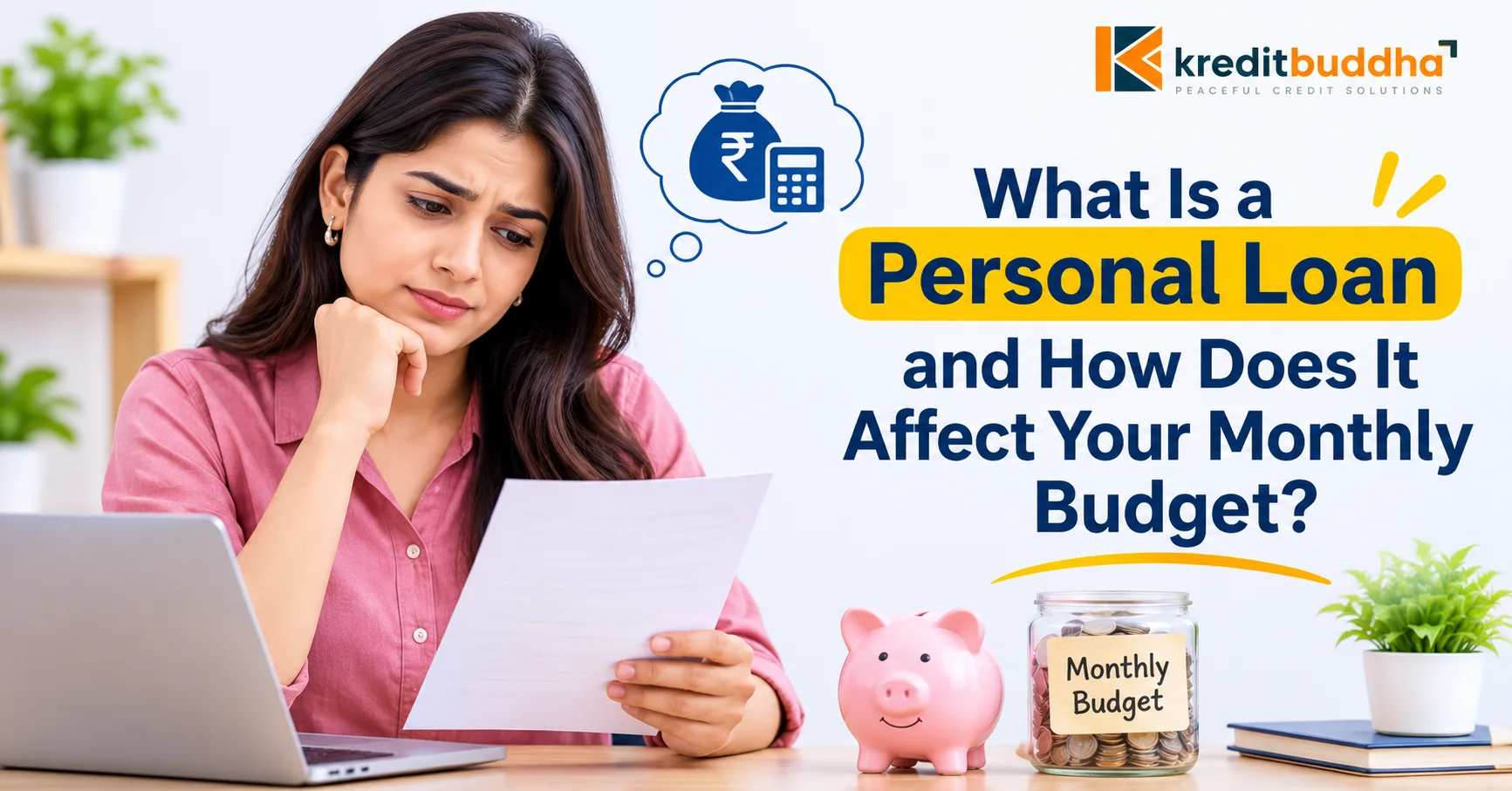
Unexpected expenses can put pressure on your monthly budget. You might need funds for home repairs, education costs, medical bills or another important expense. A personal loan can help cover such costs, but the repayments will affect how much funds you have available each month.
Before borrowing, it is important to understand the repayment commitment and decide whether it fits your income and regular expenses. This guide explains how personal loans work and how to consider their impact on your monthly budget.
What Is a Personal Loan?
A personal loan is fund borrowed from a lender that you agree to repay over an agreed period, usually through scheduled instalments. The amount available and repayment conditions depend on the lender's assessment and the terms offered.
The personal loan meaning is straightforward: you borrow an agreed amount for a personal expense and repay it according to the loan agreement. Depending on the lender's conditions, you may use the fund for purposes such as household expenses, education costs or an unexpected bill.
How Can a Personal Loan Affect Your Monthly Budget?
Your monthly budget is the fund you receive compared with the funds you spend. When you take a loan, the scheduled repayment becomes another financial commitment.
Start by calculating your take-home salary. Then subtract essential expenses such as rent, groceries, utility bills, transport, household costs and existing loan repayments. The remaining amount shows how much flexibility you have for additional commitments.
For example, someone who already spends most of their salary on essential expenses may struggle to manage another repayment. Even if the new instalment appears affordable at first, an unexpected bill could create financial pressure.
Before borrowing, consider whether you could continue making repayments if your expenses increased or your salary arrived late. A realistic budget should leave some room for emergencies rather than allocating every available rupee to loan payments.
What Are the Benefits of a Personal Loan?
The benefits of a personal loan may include access to funds for important expenses and a structured repayment schedule. Knowing when payments are due can make it easier to plan your monthly spending.
Digital applications can also make submitting information more convenient. Depending on the provider, you may be able to complete the application and verification process using a mobile phone or computer.
However, these benefits depend on your circumstances and the loan terms. Borrowing is not automatically the right choice for every expense. Consider whether the need is important, whether repayment is manageable and whether the commitment could affect other financial priorities.
What Documents May Be Required?
When applying for a personal loan, you may need to provide documents that confirm your identity, address and income. Common requirements include an Aadhaar card, PAN card, bank statements and salary slips.
An Aadhaar card or PAN card may be used as identity proof. A suitable document showing your current residence may serve as address proof. Bank statements and salary slips help the lending partner review your income and financial information.
A selfie or photograph may also be required. Aadhaar-based verification is used, and electronic Know Your Customer verification, known as eKYC, is required during the application process.
Document requirements vary depending on the lending partner and the applicant's circumstances. Providing complete and accurate information can help prevent avoidable delays, although approval is never guaranteed.
Explore Digital Personal Loan with Kreditbuddha
Kreditbuddha is a digital lending application that helps eligible salaried individuals apply for personal loans through its lending partner. Its online process supports digital verification and paperless application steps.
Eligible applicants can explore loan amounts from ₹12,000 to ₹1,50,000, subject to the lending partner's assessment and applicable terms. The application involves providing information, completing the required verification and reviewing any offer received.
Before proceeding, check whether the repayment commitment fits your monthly budget. Approval and processing times depend on eligibility, verification and the lending partner's decision.
Conclusion
A personal loan can help meet an important expense, but it also reduces the funds available for other needs each month. Understanding the repayment terms, reviewing your existing commitments and planning for unexpected expenses can help you decide whether borrowing is affordable.
Before accepting any offer, ensure that you understand the conditions and can manage the repayments without putting essential expenses at risk.
Frequently Asked Questions
Can I take a personal loan while repaying another loan?
You may be able to apply, depending on the lending partner's eligibility requirements. Review your existing repayments and calculate whether you can manage another instalment without affecting essential spending.
What happens if I miss a loan repayment?
Missing a repayment may lead to additional charges or other consequences under your loan agreement. Contact your lender promptly if you expect difficulty making a payment and ask about the options available.
Can I apply for a personal loan online?
Many digital lending services allow eligible applicants to submit applications online. You may need to complete identity verification, provide documents and wait for the lending partner's assessment.