
In the fast-paced world of cryptocurrency trading, securing digital assets has become more critical than ever. With cyberattacks, phishing schemes, and exchange hacks becoming increasingly sophisticated, traders need a reliable method to protect their investments. This is where a cold crypto wallet comes into play. Understanding what a cold crypto wallet is and why it is essential for traders can mean the difference between safeguarding your digital wealth and losing it to malicious actors.
Understanding a Cold Crypto Wallet
A cold crypto wallet, also referred to simply as a cold wallet, is a type of cryptocurrency storage that keeps private keys offline. Unlike hot wallets, which are connected to the internet and therefore more susceptible to cyber threats, cold wallets operate in an air-gapped environment. This means they are not connected to any online network during the storage process, significantly reducing the risk of hacks.
Cold wallets come in various forms, including hardware wallets, paper wallets, and even certain offline software wallets. Hardware wallets are devices specifically designed to securely store private keys and facilitate safe transactions without ever exposing the keys online. Paper wallets, on the other hand, involve printing or writing down private keys on a physical medium, which can then be stored securely. Regardless of the format, the primary goal remains the same: to provide traders with the highest level of security for their cryptocurrency holdings.
Why Traders Must Prioritize Cold Wallets
The importance of using a cold crypto wallet cannot be overstated. Cryptocurrency trading often involves large sums of money and rapid transactions. While exchanges and hot wallets offer convenience for frequent trading, they also pose significant security risks. Hackers have been known to exploit vulnerabilities in exchange platforms, resulting in massive financial losses for traders who store their assets online.
By contrast, a cold wallet provides a virtually impenetrable layer of security. Since the wallet is offline, there is no direct path for hackers to access private keys. This is particularly important for traders holding long-term investments or substantial quantities of crypto. Even in the event of a breach on an exchange or online wallet, assets stored in a cold wallet remain safe and inaccessible to unauthorized users.
Benefits of Using a Cold Wallet
- Enhanced Security – Cold wallets are immune to online hacking attempts, malware, and phishing attacks. This makes them the most secure option for storing cryptocurrency.
- Control Over Private Keys – Traders retain full control over their private keys, ensuring that they are not dependent on third-party services or platforms.
- Long-Term Storage – Cold wallets are ideal for holding crypto assets over an extended period. This is particularly useful for traders who engage in HODLing strategies or invest in presale tokens and new projects.
- Peace of Mind – Knowing that assets are stored offline provides psychological reassurance, allowing traders to focus on strategic trading rather than worrying about security breaches.
How to Use a Cold Wallet Effectively
To maximize the benefits of a cold wallet, traders should follow best practices for storage and usage. First, always purchase hardware wallets from reputable manufacturers to avoid tampered devices. When setting up a paper wallet, ensure that it is generated using a secure, offline process and stored in a safe location, such as a fireproof safe or safety deposit box.
Traders should also create backup copies of their private keys in secure locations to protect against accidental loss or damage. For added security, using multi-signature setups where multiple keys are required for transaction approval can further reduce the risk of unauthorized access.
Finally, integrating a cold wallet with day-to-day trading strategies requires careful planning. While it is not designed for frequent transactions, traders can transfer funds from a cold wallet to a hot wallet as needed for trading purposes, ensuring that the majority of assets remain offline and secure.
Choosing the Right Cold Wallet
Selecting the appropriate cold wallet depends on individual needs and trading habits. Hardware wallets are ideal for traders seeking high security combined with usability, while paper wallets are suitable for long-term storage with minimal interaction. Evaluating factors such as ease of use, device durability, and backup options is crucial when making a choice.
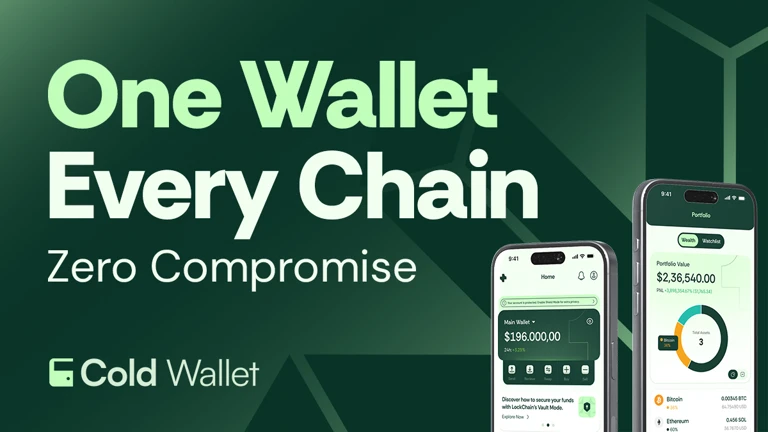
For traders looking for a reliable source to purchase or learn more about cold wallets, resources like cold wallet provide comprehensive guidance on securing digital assets safely.
Conclusion
A cold crypto wallet is more than just a storage solution it is an essential tool for any trader serious about protecting their cryptocurrency investments. By keeping assets offline, retaining control over private keys, and following best security practices, traders can safeguard their digital wealth against the growing threats in the crypto space. As cryptocurrency adoption continues to expand, the role of cold wallets in providing security and peace of mind will remain indispensable for traders worldwide.
Embracing a cold wallet strategy ensures that your assets are not only secure but positioned for long-term growth without unnecessary exposure to online threats. For anyone serious about crypto trading, integrating a cold wallet into their security plan is not optional it’s a necessity.