In Australia, buildings are classified by their purpose, occupancy, and use. Property owners, investors, developers, and construction professionals must understand how these building classifications work. A property's classification can affect the building standards, safety requirements, and regulations it must follow.
One classification property owners may come across is a Class 2 building. This category generally covers buildings that contain two or more separate residential units. Understanding this classification can help owners make informed decisions about construction, renovations, maintenance, compliance, and property management.
This guide explains what a Class 2 building is, some common examples, and what property owners should know about safety, accessibility, maintenance, and renovations.
What Is a Class 2 Building?
Under the National Construction Code (NCC), Class 2 generally refers to a building containing two or more sole-occupancy units, such as apartments or flats. Each unit is designed for residential occupation and usually has its own kitchen, bathroom, living areas, and sleeping spaces.
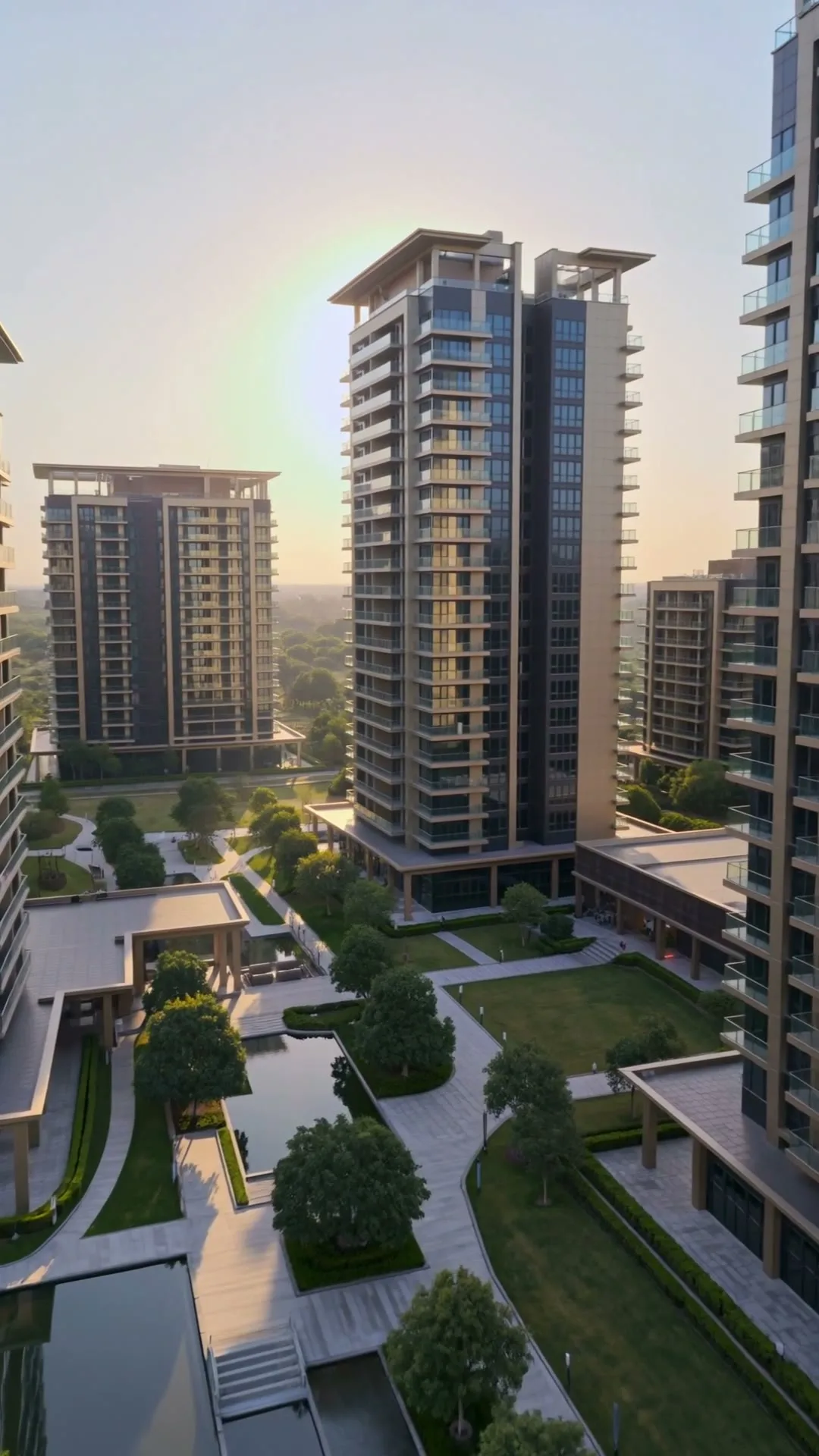
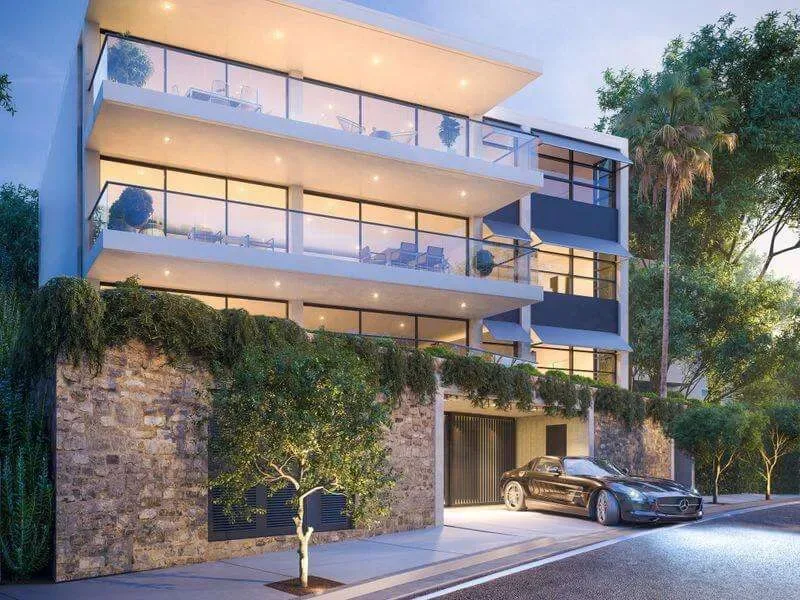
Apartment buildings are a common example. However, the classification depends on how the building is designed and occupied, not simply on its appearance or size.
A building may therefore require different compliance considerations depending on how individual spaces are arranged and used.
Common Examples of Class 2 Buildings
Class 2 buildings are usually residential properties where multiple households live in separate units within the same building.
Some common examples include:
● Apartment buildings
● Residential blocks with multiple flats
● Certain multi-unit residential developments
● Buildings with separately occupied residential units
The exact classification depends on the building's design, purpose, and how the spaces are occupied. If you are unsure about a property's classification, it is worth getting advice from a qualified building professional.
How Is a Class 2 Building Different From Other Classifications?
The NCC divides buildings into different classes based on their use. Residential buildings with multiple separate units can fall under Class 2, while other properties may have different classifications.
For example, a detached house where one household lives will generally have a different residential classification. The same applies to hotels, offices, shops, warehouses, and educational facilities, which are classified differently based on how each property is used.
The classification matters because different building classes can be subject to different requirements relating to fire safety, accessibility, construction, and essential services.
Why Building Classification Matters to Property Owners
Knowing your building classification is more than an administrative detail. It can affect how you approach construction work, renovations, repairs, and ongoing property management.
If an owner plans to alter a building, the proposed work may need to meet particular NCC requirements and other applicable regulations. Changes to layouts, fire safety systems, exits, services, or common areas may require professional assessment.
Knowing the classification before starting a project can help property owners understand which compliance requirements may apply.
Fire Safety Considerations
Fire safety is especially important for multi-unit residential buildings. When multiple households live within the same building, a fire or other emergency can potentially affect numerous occupants.
Depending on the building’s design and applicable requirements, fire safety considerations may include fire-resistant construction, fire doors, smoke alarms, emergency exits, fire detection systems, and other essential safety measures.
Owners and building managers should ensure required safety systems are maintained and inspected properly. If there are any fire safety concerns, they should be discussed with a qualified professional.
Accessibility and Common Areas
Multi-unit residential properties can also have shared spaces such as entrances, corridors, stairways, lifts, car parks, and recreational areas.
Depending on the building and the regulations that apply, certain parts of the property may need to meet accessibility requirements. Owners planning renovations or upgrades should consider how the proposed changes could affect access for residents and visitors. Accessibility should be considered during the planning stage rather than treated as an afterthought.
Renovating a Class 2 Property
Renovating a multi-unit residential property can involve more considerations than renovating a standalone house. Owners may need to consider structural elements, shared services, fire safety, building approvals, waterproofing, acoustic performance, and other technical requirements.
Work affecting common property may also require communication with a body corporate or owners corporation, depending on the ownership structure.
Before starting significant renovation work, it is sensible to determine which approvals and professional assessments are required. Engaging qualified builders, designers, certifiers, engineers, or other specialists can help ensure the project is appropriately planned.
Maintenance Responsibilities
Regular maintenance is important for keeping the property and its occupants safe. Owners and building managers should pay attention to common areas, building services, fire safety equipment, external structures, plumbing, electrical systems, and other essential parts of the building.
Preventive maintenance can help identify issues before they become more expensive or disruptive. It can also contribute to the long-term performance and safety of the building.
Property owners should maintain appropriate records of inspections, repairs, servicing, and other relevant building work.
When Should Property Owners Seek Professional Advice?
Building regulations can be complex, particularly when a property involves multiple residential units or shared facilities. Professional advice may be useful when purchasing a property, planning renovations, addressing defects, changing the use of a space, or determining whether particular work requires approval.
A qualified building professional can look over the property and advise on what needs to be done based on its circumstances. This can help owners understand their responsibilities and avoid problems with compliance later on.
Final Thoughts
Understanding building classifications is an important part of responsible property ownership. A class 2 building generally involves multiple separate residential units and can therefore have specific requirements relating to safety, construction, accessibility, maintenance, and compliance.
Whether you are purchasing an apartment property, managing an existing development, or planning renovations, understanding the applicable building classification can help you plan more effectively. When requirements are unclear, seeking advice from appropriately qualified professionals can provide greater certainty and help ensure that building work is carried out in accordance with relevant regulations.