When it comes to high-end residential roofing, few materials command the same level of architectural admiration, natural prestige, and timeless curb appeal as the cedar shake. For centuries, wood roofs have been utilized to crown historic estates, upscale coastal homes, and rustic mountain retreats alike. Yet, despite its long historical track record, many modern property owners remain unfamiliar with what a cedar shake roof truly entails, how it performs under modern environmental stresses, and the financial reality of its installation and upkeep. Choosing a roofing system is a substantial, long-term asset management decision. This deep dive breaks down everything a homeowner needs to know about cedar shake roofs, analyzing their physical characteristics, core benefits, financial realities, and projected operational lifespans.
Defining the Cedar Shake Roof
To understand a cedar shake roof, one must first distinguish it from its close sibling: the cedar shingle. While both are cut from natural cedar trees—most commonly Western Red Cedar or Eastern White Cedar—their manufacturing methods and final visual profiles are entirely different. Cedar shingles are sawn smoothly on both sides, offering a uniform thickness and a sleek, tailored architectural appearance. Conversely, a cedar shake is split from logs using a specialized bladed tool called a froe, resulting in a highly textured, irregular top surface that highlights the natural grain, ridges, and organic variations of the wood.
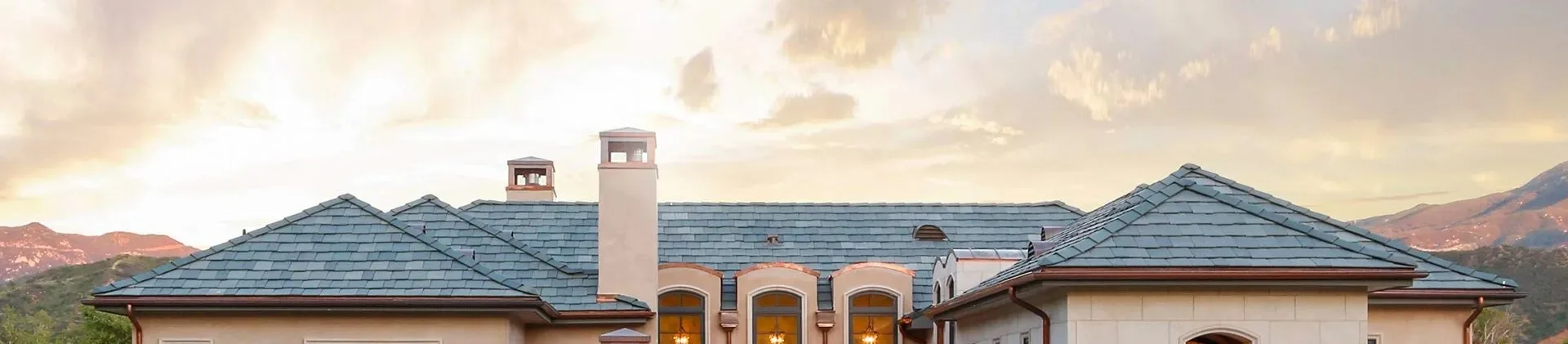
Because shakes are split rather than cleanly sawn, they retain more of the wood’s original fibrous character. Shakes are typically thicker than shingles, tapering gently from a robust butt end to a thinner top edge. When installed, this thickness variation creates deep shadow lines that impart an unmatched, multi-dimensional texture to a home's exterior façade. Cedar shakes are generally classified into two categories: hand-split and resawn (which combine a rugged, split face with a smooth, sawn back for flatter installation) and taper-sawn (which are sawn on both sides but cut with a heavy taper to replicate the distinct thickness of a traditional shake).
Cedar Grading Standards Premium cedar roofing relies heavily on the grading of the wood used. Certi-label® cedar products certified by the Cedar Shake & Shingle Bureau ensure the wood is sourced responsibly and graded properly. "Premium Grade" shakes consist entirely of 100% vertical grain, knot-free wood, which minimizes the long-term risk of warping and curling.
The Architectural and Functional Benefits
The enduring popularity of cedar roofing among luxury custom home builders stems from an impressive combination of structural and aesthetic advantages:
- Incomparable Visual Prestige: No synthetic material can perfectly replicate the authentic look of genuine weathered wood. As a cedar shake roof ages, it transitions from a warm, rich honey-amber hue to a highly sought-after, dignified silver-grey. This natural aging process integrates the home into its surrounding landscape, offering a premium aesthetic that elevates property values.
- Natural Structural Insulation: Wood is an excellent natural insulator due to millions of microscopic, air-filled cell cavities within its grain. Cedar roofing provides up to two times the insulating value (R-value) of standard asphalt shingles. This exceptional thermal mass keeps homes cooler during hot summer months and effectively retains interior heating during the winter, reducing a property's overall carbon footprint and monthly energy expenditures.
- Superior Wind and Impact Resistance: Cedar is remarkably lightweight yet structurally resilient. The natural flexibility of wood allows cedar shakes to withstand severe weather anomalies exceptionally well. Properly installed premium cedar shakes can resist hurricane-force winds exceeding 110 miles per hour and exhibit excellent impact resistance against heavy hail, outperforming many rigid roofing alternatives.
The Cost of Ownership Explained
There is no avoiding the fact that a cedar shake roof represents a significant capital expenditure. It sits comfortably within the luxury tier of residential roofing materials, alongside slate and clay tile. The financial commitment can be broken down into two components: material acquisition and specialized labor.
On average, installing a cedar shake roof can cost anywhere from two to three times more than a standard architectural asphalt shingle system. The raw material cost is driven by the availability of old-growth cedar trees, which yield the dense, high-grade vertical wood required for roofing. Labor costs are equally premium; installing a cedar shake roof is an artisanal craft. Shakes cannot be carelessly nailed down with rapid pneumatic guns. They must be individually selected, strategically spaced to allow for natural thermal expansion, and interlaced with layers of heavy roofing felt to establish a true weather-tight barrier. Furthermore, municipal building codes may dictate the use of factory-treated fire-retardant or fungal-resistant shakes, which adds a premium to the initial material costs.
Lifespan and Operational Longevity
When evaluating the long-term ROI of a roof, lifespan is just as important as initial cost. A premium cedar shake roof is widely considered a generational asset. Under optimal conditions, a properly installed cedar roof can easily last between 30 and 40 years, with some exceptionally maintained systems reaching the 50-year mark.
However, unlike synthetic options, the exact lifespan of an organic wood roof depends heavily on environmental variables and proactive care. Shakes exposed to ample sunlight and unimpeded airflow dry quickly after heavy rainfall, preserving the wood's structural integrity. Conversely, homes situated in dense forest canopies or high-humidity coastal environments face a higher risk of premature failure. If debris is allowed to accumulate in the gaps between tiles, or if moss and algae take root, the wood will retain moisture, leading to rot and a significantly truncated lifespan of 15 to 20 years. Proactive maintenance—such as periodic debris removal, tree trimming, and the application of breathable, protective wood preservatives—is mandatory to achieve the full operational potential of the roof.
Conclusion
A cedar shake roof is an architectural investment that demands a deliberate balance between appreciation for natural beauty and a commitment to long-term care. It offers unparalleled historical charm, exceptional wind resistance, and natural insulating efficiency that synthetic alternatives struggle to match. While the initial capital requirement is substantial and regular maintenance is required, its generational lifespan and positive impact on home equity make it an incredibly rewarding choice for property owners who wish to invest in permanence, premium craftsmanship, and organic luxury.