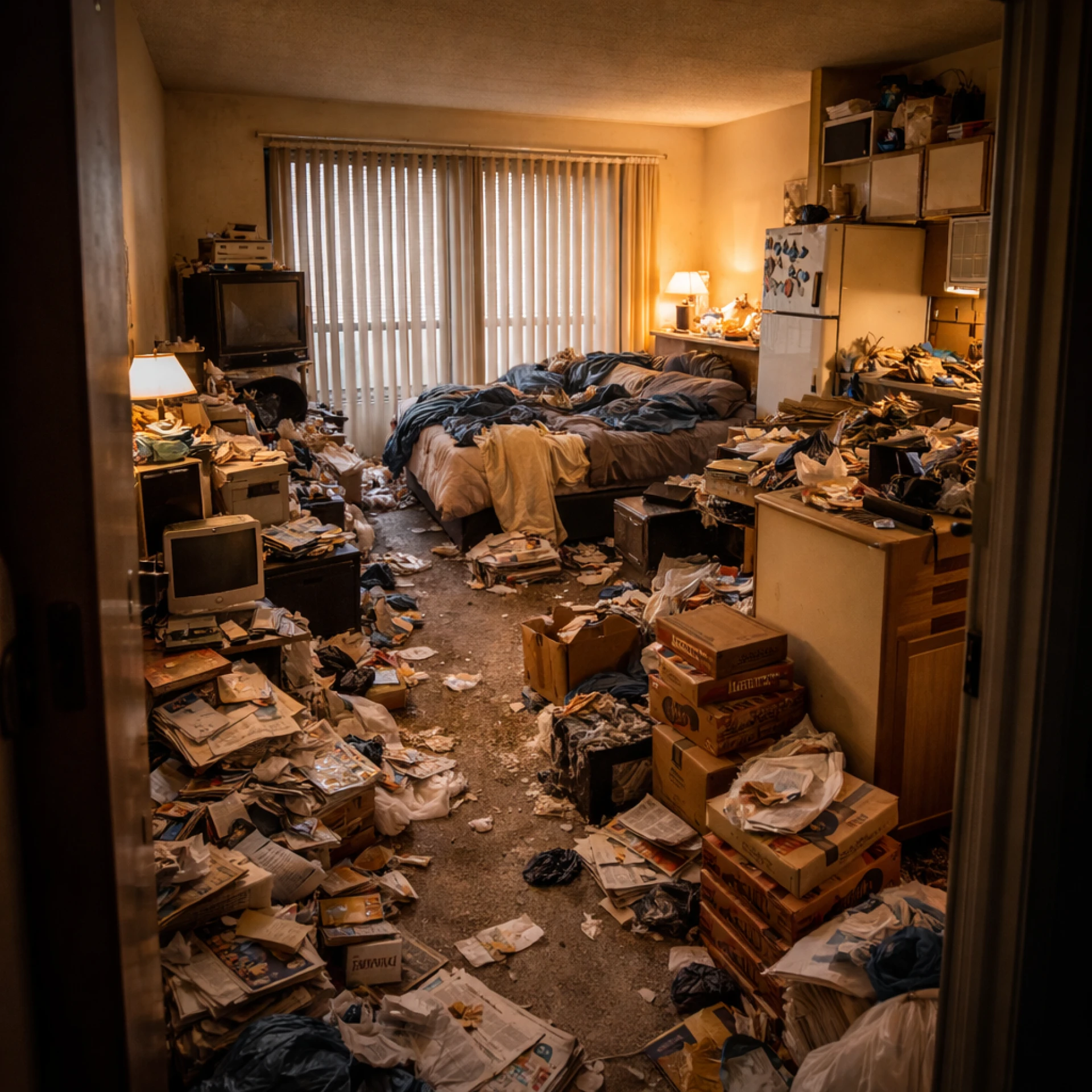
When inspectors walk into a property in Maple Heights, they begin forming conclusions immediately. Whether the visit involves a home inspection, insurance review, refinancing evaluation, or appraisal, presentation plays a significant role.
Clutter does more than make a space look untidy. To inspectors, it can signal deferred maintenance, hidden hazards, or poor property management. Even when a structure is sound, excessive belongings stacked in corners, hallways, or storage areas can create doubt about overall upkeep.
Inspectors are trained to observe patterns. If visible areas appear disorganized, they may assume less visible systems have also been neglected. This perception alone can influence the tone and detail of the final report.
Accessibility Is a Primary Concern
One of the first technical issues inspectors evaluate is accessibility. Electrical panels, water heaters, HVAC units, plumbing connections, and structural components must be visible and reachable.
When these areas are blocked by boxes, furniture, or miscellaneous items, inspectors may not be able to complete their assessment. Limited access often results in notes such as “unable to inspect due to obstruction,” which can delay transactions or require follow-up visits.
In Maple Heights homes, basements and garages are common storage spaces. Unfortunately, these are also where essential systems are located. A cluttered basement may prevent proper review of foundation walls or sump pumps. A packed garage can block access to breaker panels or structural framing.
Ensuring clear pathways before an inspection prevents unnecessary complications.
Safety Hazards Raise Immediate Red Flags
Inspectors and adjusters are trained to identify risk. Clutter increases several safety concerns, including:
● Fire hazards from blocked exits or overloaded areas
● Trip and fall risks in stairways or hallways
● Improper storage near heating systems
● Concealed water damage or mold growth
Blocked emergency exits are particularly concerning. Insurance professionals view obstructed escape routes as serious liabilities. Even temporary clutter can trigger recommendations for correction.
By reducing excess accumulation before an inspection, property owners demonstrate responsibility and attention to safety standards.
Visual Clutter Affects Perceived Maintenance
Clutter does not just hide systems; it also affects perception. When surfaces are crowded with belongings, inspectors may struggle to evaluate walls, flooring, or baseboards for damage.
For example, stacked boxes along basement walls can conceal moisture intrusion. Piles of stored items in attics may prevent evaluation of insulation or ventilation. In garages, excessive belongings can obscure structural cracks or signs of wear.
Even when no damage exists, the inability to confirm the condition may result in cautious reporting. Clean, open spaces allow inspectors to accurately assess structural integrity without suspicion.

Appraisers Focus on Condition and Usability
Property appraisers consider functionality and presentation when determining value. A cluttered environment can make rooms appear smaller, darker, or less usable than they truly are.
In Maple Heights neighborhoods, where property values depend heavily on condition and maintenance, visual impression matters. Organized rooms showcase square footage and highlight upgrades. Overcrowded spaces, by contrast, can distract from positive features.
An organized property ensures that the valuation reflects the actual condition rather than visual obstruction.
Insurance Adjusters Evaluate Risk Exposure
Insurance evaluations approach properties from a risk-management perspective. Adjusters assess potential hazards that may increase claims. Excessive accumulation of materials can signal elevated fire load or hinder emergency response.
In addition, cluttered storage areas may conceal moisture problems that lead to mold growth. Rodent or pest activity can also go unnoticed in crowded environments.
When adjusters identify avoidable risks, they may request remediation before approving coverage or renewing policies. Addressing clutter proactively protects both property value and insurance standing.
Shared and Exterior Spaces Are Not Overlooked
Inspectors do not limit their review to interior rooms. Exterior storage areas, sheds, and shared spaces are also evaluated. Debris accumulation near foundations can suggest drainage concerns. Overcrowded storage sheds may indicate neglect.
In multi-unit properties, common hallways and shared basements receive scrutiny. Clutter in these areas reflects management standards and can result in compliance warnings.
Maintaining orderly shared spaces reinforces responsible ownership and reduces the likelihood of citations.
Cleanouts as Preventative Maintenance
Rather than waiting for an inspection notice, property owners benefit from routine cleanouts. Clearing unused items allows full visibility of structural and mechanical systems. It also simplifies ongoing maintenance and repair.
Preventative cleanouts improve:
● Safety and accessibility
● Inspection efficiency
● Insurance compliance
● Property presentation
● Long-term value preservation
By viewing cleanouts as preventative maintenance rather than reactive cleaning, property owners in Maple Heights position themselves for smoother inspections and fewer complications.

AMG Junk Removal & Dumpster Rental supports Maple Heights property owners with professional residential junk removal services before inspections. For larger projects, the company provides convenient dumpster rental options that make clearing basements and garages manageable. Each project is handled efficiently and in compliance with local disposal standards. By choosing AMG’s trash removal and cleanout solutions, property owners reduce inspection delays, eliminate unnecessary risks, and present their properties with confidence.
Call them at 216-282-6766 to schedule a cleanout and prepare properly.
About the Author
The AMG Editorial Team has served Maple Heights and surrounding communities since 2019, providing trusted insight into cleanout services and responsible property preparation. Their content focuses on practical strategies that help homeowners and property managers protect value, maintain compliance, and reduce avoidable risk.