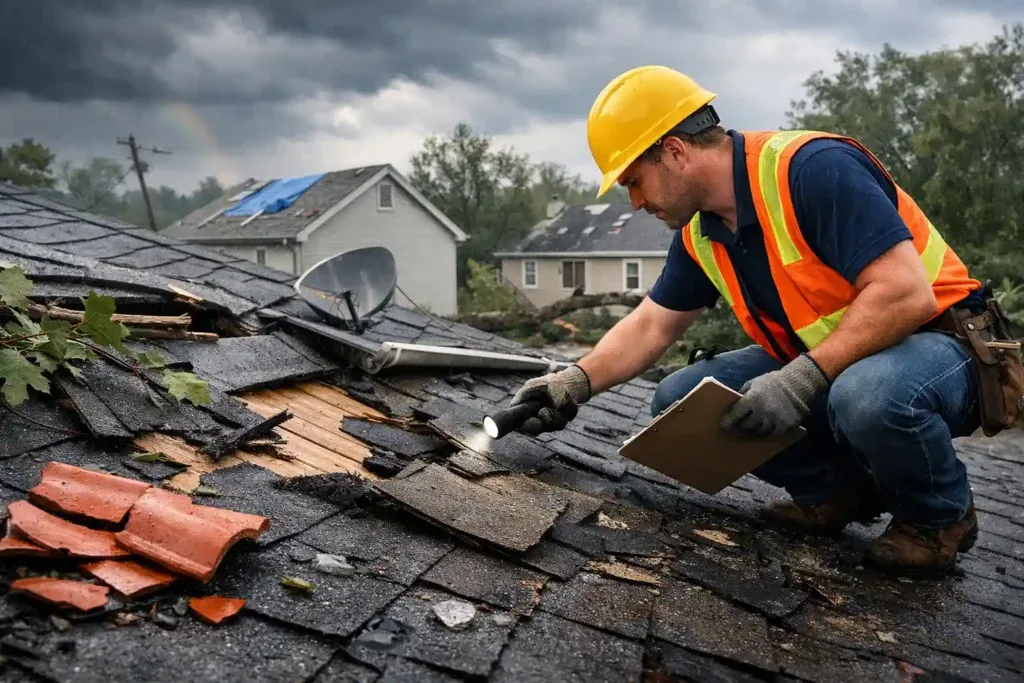
A roof replacement is one of those home projects that most people hope to delay for as long as possible. But once storm damage, age, or repeated leaks begin to add up, postponing the decision can create bigger and more expensive problems. A thoughtful replacement plan protects not just the structure of your home, but also your comfort, energy efficiency, and long-term property value.
For homeowners in storm-prone regions, the smartest approach is not simply to buy a new roof. It is to understand how materials, workmanship, ventilation, and contractor selection all work together. When you know what to look for, you are far more likely to make a decision that holds up well over time.
Why Roof Replacement Is More Than a Cosmetic Upgrade
Many homeowners first notice roofing issues because of visible warning signs: missing shingles, dark streaks, granule loss, or interior water stains. While these are important clues, the roof’s role goes much deeper than curb appeal.
Your roofing system helps manage:
- Water intrusion
- Heat transfer
- Ventilation and moisture balance
- Wind resistance
- Structural protection
That means an aging roof can quietly affect multiple parts of your home before a major leak ever appears. In hot climates, poor roof performance may also contribute to higher cooling costs. In areas that experience hail or high winds, even small weaknesses can quickly turn into major repair needs after a storm.
A replacement project should therefore be viewed as a system upgrade, not just a shingle swap.
The Most Common Signs It May Be Time for a New Roof
Not every roofing problem requires a full replacement. In some cases, a localized repair is enough. But certain patterns often indicate that the roof is nearing the end of its useful life or has sustained enough damage that patchwork fixes no longer make sense.
Warning signs to watch for
- Repeated leaks in different areas
- Shingles that are curling, cracking, or blowing off
- Visible hail or wind damage after a storm
- Sagging roof sections
- Rising energy bills tied to poor attic ventilation
- Repairs that keep recurring every season
- Roof age that is approaching or exceeding expected material lifespan
Homeowners often make the mistake of focusing only on the most obvious damaged spot. The better approach is to think holistically. If the roof has experienced years of heat, weather exposure, and scattered repairs, the real issue may be broader than one isolated leak.
How to Choose Materials That Fit Your Climate and Home
Roofing materials should never be selected on looks alone. Appearance matters, of course, but performance matters more. The right roofing choice depends on local weather conditions, the slope of the roof, neighborhood style, maintenance expectations, and budget.
For many homeowners, asphalt shingles remain the most practical choice because they balance cost, durability, and design flexibility. However, not all shingles are equal. Impact resistance, wind ratings, reflective properties, and manufacturer-backed warranty options can vary significantly.
In warmer areas, it can be especially helpful to ask about roofing systems designed to reduce heat absorption. Better ventilation and reflective materials may improve indoor comfort and help reduce strain on HVAC systems. In storm-heavy regions, impact-resistant options may also be worth considering for extra resilience.
The key is to ask not just, “What is the cheapest option?” but also, “What option makes sense for this house over the next decade or longer?”
Why Workmanship Often Matters More Than Homeowners Realize
Even premium materials can fail early when installation quality is poor. Misaligned shingles, inadequate flashing, rushed sealing, and weak ventilation design can shorten the life of an otherwise solid roofing product.
This is why contractor selection deserves as much attention as material selection. Homeowners should look for companies that clearly explain their process, inspect the full roofing system, and communicate what will happen before, during, and after installation.
A reliable contractor should be able to discuss:
- The current condition of the roof deck and underlayment
- Whether ventilation needs to be improved
- How flashing, penetrations, and valleys will be handled
- What warranties apply to both materials and workmanship
- Whether storm damage documentation is available when needed
For readers who want a better sense of what a full-service roofing company looks like in practice, idealprecisionroofing.com provides useful context on the kinds of residential roofing, storm damage, and exterior service considerations homeowners often compare during the decision process.
Questions to Ask Before Signing a Roofing Contract
Roof replacement is a major investment, and homeowners should feel comfortable asking direct questions. A trustworthy roofing professional should welcome them.
Start with these conversationsWhat exactly is included in the scope of work?
Make sure the proposal explains tear-off, disposal, underlayment, flashing, ventilation adjustments, and cleanup. Vague estimates can lead to misunderstandings later.
Who will perform the work?
Some companies rely heavily on rotating labor crews, while others emphasize consistent installation teams. Knowing who is responsible can affect both accountability and quality control.
What happens if hidden damage is found?
Once old roofing material is removed, decking or structural concerns may become visible. Ask how those issues are documented and priced if they appear.
How will the property be protected during the project?
Roofing work can affect landscaping, driveways, siding, windows, and outdoor equipment. A good plan should include site protection and post-job cleanup.
What warranty support is available?
There is a difference between a manufacturer’s material warranty and a contractor’s workmanship guarantee. Homeowners should understand both.
The Role of Storm Damage in Replacement Decisions
Storm events complicate roof decisions because damage is not always easy to spot from the ground. Hail can bruise shingles in ways that weaken them over time, and wind can break seals or loosen roofing materials without causing an immediate leak.
After a significant weather event, it is wise to schedule a professional inspection even if the roof looks mostly normal from the street. Documentation matters, especially when insurance may be involved. Photos, notes, and a clear explanation of observed damage can help homeowners make informed next steps.
That does not mean every storm leads to a full replacement. It means every storm should be evaluated carefully enough that homeowners are not guessing. A measured inspection can clarify whether the roof needs repair, monitoring, or a full replacement strategy.
A Better Roof Decision Starts With Better Information
The best roofing outcomes usually come from homeowners who slow down just enough to ask the right questions. They look beyond color samples and price tags to understand how the roof will perform, who is installing it, and what kind of protection the full system actually provides.
A roof replacement is not just about fixing what is broken today. It is about reducing future surprises, improving resilience, and making sure your home is ready for the next season, the next storm, and the next several years of daily wear.
When approached thoughtfully, a new roof can deliver more than protection overhead. It can provide confidence that one of your home’s most important systems is built to do its job well.