For homeowners and residential property managers, modern insulation options offer a range of performance features that go beyond just thermal resistance. This article explains how different types of residential insulation work, what factors to consider, and how to compare them based on practical use. Choosing the best residential insulation contractor plays a direct role in controlling energy use, improving indoor comfort, and limiting long-term maintenance.
The Main Types of Insulation Used in Homes Today
Each insulation type functions differently based on material density, installation method, and thermal resistance. Knowing the structural and climate needs of the home helps narrow down what to use where.
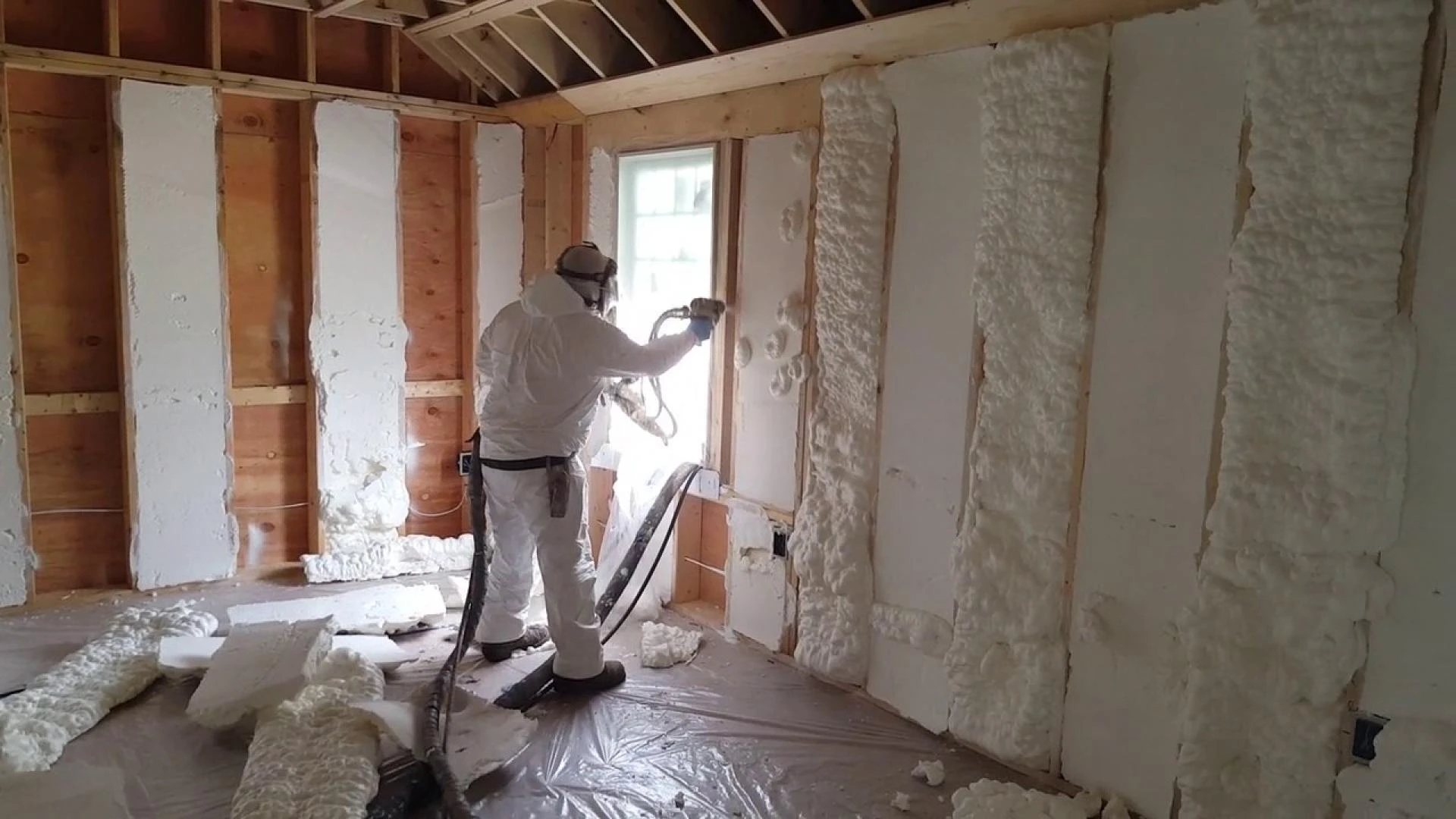
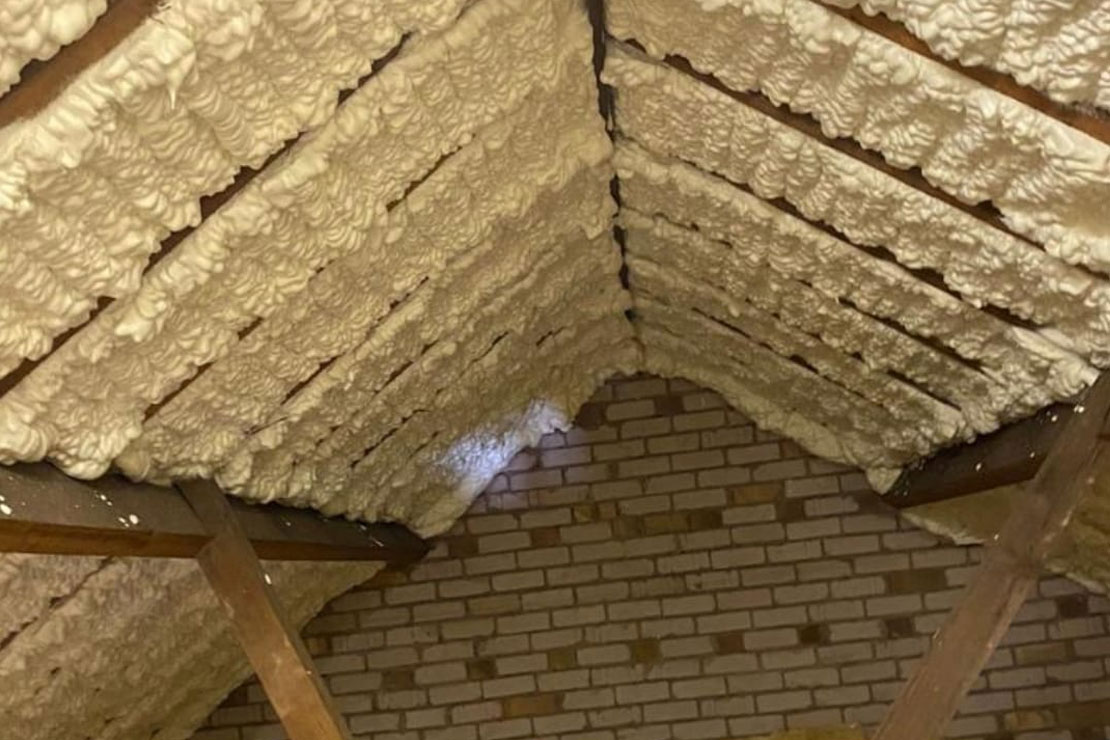
Spray Foam Insulation
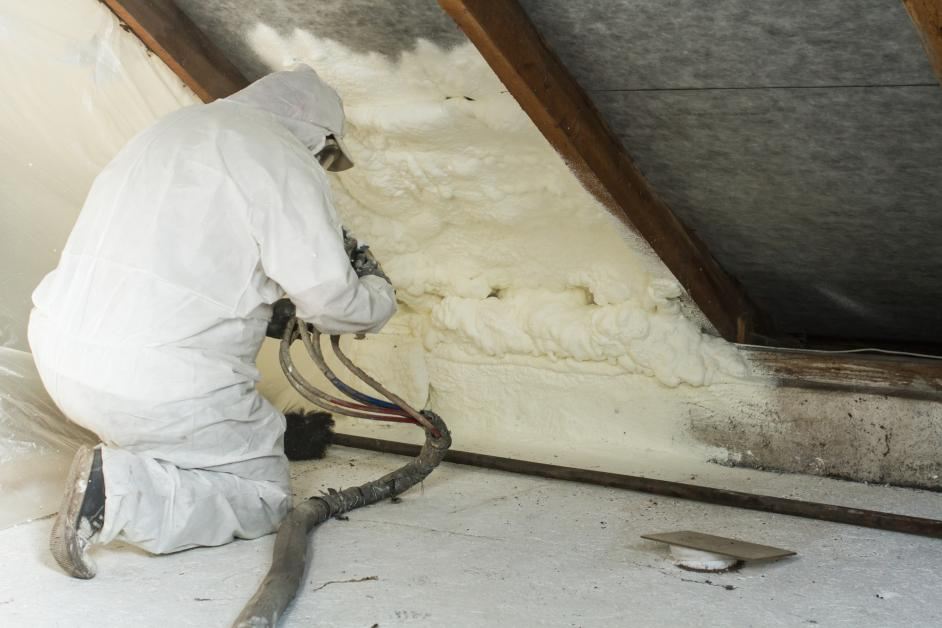
Spray foam is applied as a liquid and expands into place. It’s available in two types—open-cell and closed-cell—each suited to different uses.
- Open-cell is lighter and better at absorbing sound.
- Closed-cell has higher R-value and moisture resistance.
Spray foam adheres to all surface shapes, creating an air seal that limits drafts and improves indoor air quality.
Fiberglass Batt Insulation
Pre-cut fiberglass batts are among the most common forms used in residential walls and attics.
- They're affordable and relatively easy to install.
- Thermal performance depends heavily on precise placement and lack of compression.
Although widely used, fiberglass batts allow more air movement compared to sprayed or blown-in options.
Blown-In Cellulose or Fiberglass
Blown-in insulation uses loose fill to cover attic floors or fill cavities.
- Cellulose is often recycled material treated to resist fire and pests.
- Fiberglass fill is less dense but less prone to settling over time.
This type is ideal for retrofitting attics or closed wall cavities in older homes.
Rigid Foam Boards
Foam board insulation provides high R-value per inch and is often used in basements or exterior sheathing applications.
- Materials include polystyrene (EPS, XPS) and polyisocyanurate.
- Boards reduce thermal bridging when installed along framing.
They require careful sealing at edges to prevent air leaks.
Matching Insulation Type to Key Use Cases
Different parts of the house require different insulation materials depending on exposure, space constraints, and structural design. Each type performs best in specific zones.
Attics
Loose-fill fiberglass or cellulose performs well in attics due to broad surface coverage and low cost. Spray foam is used when air sealing and thermal control are both priorities—especially in unvented attics.
Walls
New construction often uses fiberglass batts or spray foam between studs. For existing walls, dense-pack cellulose or injectable foam can retrofit without removing drywall.
Crawl Spaces and Basements
Closed-cell spray foam resists moisture, making it a good fit for below-grade walls and rim joists. Rigid foam boards are used when finishing basements to avoid moisture traps behind drywall.
Garage and Bonus Rooms
Bonus rooms above garages and insulated garage walls benefit from closed-cell spray foam or dense batts, since they often lack consistent HVAC and face temperature swings.
Performance Comparison: R-Value, Air Sealing, and Moisture Resistance
Understanding how each insulation performs based on R-value (thermal resistance), air sealing ability, and moisture control helps narrow choices.
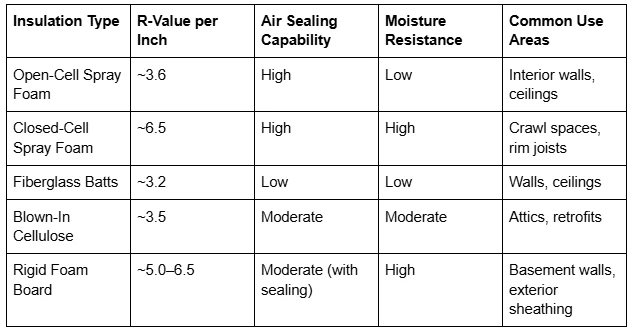
Closed-cell spray foam leads to thermal performance and moisture control. However, cost and application access can make fiberglass or cellulose more practical in certain cases.
Factors That Influence Residential Insulation Choice
Choosing insulation involves evaluating more than just R-value. The context of the building, budget, and installation method all affect outcomes.
Regional Climate
Colder regions benefit from higher R-value per inch to limit heat loss, while humid regions require materials that resist moisture and mold growth.
Budget and Access
Fiberglass and cellulose are more budget-friendly for large areas. Spray foam offers higher performance but is more costly due to specialized equipment and labor.
Environmental Impact
Homeowners seeking eco-friendly options may consider cellulose, made from recycled paper. Some rigid foam boards and spray foams now include low-GWP blowing agents and sustainable ingredients.
Installation Approach
New builds allow more flexibility in using batt, board, or sprayed systems. Retrofit situations may require injectable or blown-in materials to work within existing walls and structures.
Common Questions About Choosing Modern Insulation
Does higher R-value always mean better insulation? Not necessarily. R-value measures thermal resistance, but air sealing and installation quality also affect performance. A lower-R spray foam that seals gaps may outperform a higher-R batt with air leaks.
Can insulation help with sound reduction? Yes. Open-cell spray foam and dense-packed cellulose absorb airborne noise. They're often used in interior walls for acoustic improvement.
What insulation should be used in wet or humid areas? Closed-cell spray foam and rigid foam boards handle moisture well. Avoid fiberglass in areas prone to condensation or flooding unless it's sealed and moisture-protected.
Is it possible to upgrade insulation in existing walls? Yes. Blown-in cellulose and injectable foams can retrofit older homes without major demolition. Access holes are drilled, and the insulation is filled into the cavity.
Can spray foam insulation improve indoor air quality? Yes, when installed correctly. It seals cracks where outdoor pollutants and allergens might enter. Open-cell foam is also low in VOCs once cured.
Conclusion
An advanced spray foam insulation service includes more than just fiberglass batts. Spray foam, rigid boards, and loose-fill options now allow homeowners to match insulation type to specific performance goals. Each material offers different strengths—whether it's controlling temperature, limiting moisture, or reducing sound transmission.
Understanding how these options behave under real-world conditions helps make informed decisions. From attic floors to basement walls, choosing the right insulation improves energy efficiency, protects structural components, and creates a more comfortable living space across seasons.
FAQs
What type of insulation is best for reducing energy loss? Closed-cell spray foam offers the highest R-value and air sealing performance. It’s especially effective in roofs, crawl spaces, and areas where preventing air movement is key.
Can insulation be added without removing walls or ceilings? Yes. Blown-in cellulose or foam can be installed through small access holes in drywall or exterior sheathing, making it a practical solution for retrofits.
Is spray foam insulation safe indoors? Yes, when installed correctly by professionals. Once cured, both open- and closed-cell foams are inert, non-toxic, and safe for indoor use.
What should be insulated first for the biggest impact? Start with the attic and any exposed basement or crawl space areas. These account for most of the uncontrolled air and energy loss in a home.
Does insulation help with summer heat, or only winter cold? Insulation reduces heat transfer in both directions. Properly installed insulation keeps homes cooler in summer by limiting heat gain through roofs and walls.
Reviewer: Jack Parker, a spray foam professional with 7 years of experience, reviewed this post and helped improve sections dealing with brand clarity and customer communication.