
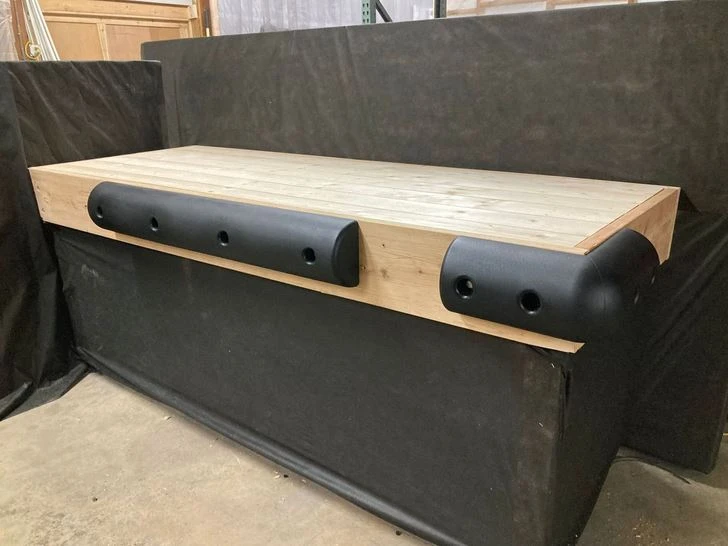
A dock is designed to make life on the water easier, but without proper protection, it can quickly become a source of damage and ongoing repairs. Many dock owners underestimate the daily impact that boats, water movement, and weather can have on exposed dock structures. While docks may look sturdy, repeated contact without protection takes a toll over time.
Just beneath the surface of many dock issues is one overlooked factor: the absence of marine bumpers for docks. These protective components act as a barrier between vessels and hard dock surfaces, reducing stress on both.
Constant Boat Contact Leaves Its Mark
Boats rarely stay perfectly still. Wind, waves, and water currents push vessels toward dock edges, corners, and pilings. When a dock lacks bumpers, every gentle nudge or firm impact transfers force directly to the dock structure.
Over time, this leads to cracked boards, splintered edges, bent fasteners, and weakened joints. Boats also suffer, with scraped hulls, chipped gel coats, and damaged rub rails becoming common. These issues don’t appear overnight, but repeated contact gradually creates visible and costly damage.
Dock Corners and Pilings Take the Hardest Hits
Corners and vertical poles are especially vulnerable when no protective cushioning is in place. These areas often absorb the strongest impacts during docking or when boats shift unexpectedly. Without bumpers, corners can break down faster than flat dock sections.
Pilings, in particular, become collision points as water levels rise and fall. Repeated contact against unprotected pilings can loosen connections and compromise the dock’s stability. This is where marine bumpers for docks play a critical role by absorbing shock and spreading impact force evenly.
Weather Makes the Damage Worse
Weather amplifies the problem. Storm surges, strong winds, and fluctuating tides increase boat movement and pressure against dock surfaces. Without bumpers, docks endure direct exposure to these forces.
Seasonal changes also cause materials to expand and contract. When combined with frequent impact, this accelerates wear and reduces the dock’s lifespan. Even well-built docks struggle to withstand years of unprotected contact under changing weather conditions.
Maintenance Costs Add Up Faster Than Expected
A dock without bumpers often requires more frequent repairs. Replacing boards, tightening hardware, and reinforcing structural components becomes a regular task rather than occasional maintenance. These repeated fixes can cost more over time than installing protective solutions early on.
Boat owners may also face higher repair expenses due to hull damage caused by unprotected docking areas. In many cases, both dock and boat owners share responsibility for repairs, creating frustration and avoidable disputes.
Safety Risks Increase Without Protection
Beyond physical damage, safety concerns rise when docks lack bumpers. Sharp edges, exposed fasteners, and splintered wood increase the risk of injury for people stepping on or off boats. Slippery surfaces caused by damaged materials can also lead to falls.
Properly installed bumpers create a safer docking environment by reducing movement and preventing sudden jolts. Many professionals view marine bumpers for docks as an essential safety feature rather than an optional accessory.
Long-Term Value Depends on Proper Protection
Docks are long-term investments, and their condition affects both functionality and property value. A dock showing visible wear from repeated impacts can deter buyers and reduce overall appeal. On the other hand, a well-maintained dock signals thoughtful upkeep and responsible ownership.
Protective components help preserve appearance, structure, and usability year after year. They also simplify maintenance routines and reduce long-term costs.
The Bottom Line
When docks lack proper protection, damage is inevitable. From structural wear and rising maintenance costs to safety concerns and boat damage, the consequences add up quickly. Installing and maintaining marine bumpers for docks helps prevent these issues, extending the dock’s lifespan and protecting everything that comes alongside it.
In the long run, marine bumpers for docks serve as a practical safeguard that keeps docks functional, safe, and visually intact, making them a smart consideration for any waterfront setup.
Frequently Asked Questions
1. Why do docks wear down faster without protective bumpers?
Direct contact from boats transfers impact to dock surfaces, which leads to cracks, loose hardware, and faster structural wear over time.
2. Can a dock still be damaged if boats are tied securely?
Yes. Water movement and weather cause boats to shift, creating repeated pressure against the dock even when properly secured.
3. Are dock repairs more frequent when bumpers aren’t installed?
Generally, yes. Unprotected docks often need more frequent repairs due to ongoing impact and material stress.
4. Do dock bumpers help protect boats as well?
They do. Bumpers reduce friction and impact, helping prevent scratches, cracks, and hull damage.
5. Is dock safety affected when bumpers are missing?
Yes. Damaged edges and exposed materials increase the risk of slips, falls, and minor injuries.