Image Source: Pexels
In older homes, “good bones” usually means the structure feels solid, the layout works, and the house has aged gracefully even if the finishes are dated. In new construction, the phrase still matters, but it shows up in slightly different ways. A brand‑new home can look polished on day one, yet still have design choices or build details that make it harder to live in or more expensive to maintain later.
Thinking about good bones early helps you focus on the parts of a home that are difficult or costly to change. It also keeps you from getting distracted by cosmetic upgrades that can be swapped out over time. When you evaluate a new build through a “good bones” lens, you are asking a simple question: will this home still function well and feel comfortable years from now?
Good Bones Starts with The Lot and The Layout
In a new construction context, good bones begin with how the home sits on the lot and how the floor plan supports daily life. A great layout makes the house feel calm and intuitive. You should be able to picture groceries coming in from the garage, kids moving through the morning routine, guests finding the powder bath without a house tour, and everyone having enough space when schedules overlap.
Look for practical flow. Kitchens that connect naturally to dining and living areas tend to work well for both everyday use and entertaining. Bedrooms placed with some separation can help with noise and privacy. A flexible room that can become an office, hobby space, or guest room often holds value longer than a very specific “theme” room.
Lot features matter too. Consider where the afternoon sun hits the back patio, whether the driveway is easy to navigate, and how close you are to main roads or community amenities. These factors shape comfort and resale appeal, and they are hard to “fix later” compared to things like paint or light fixtures.
The Structure You Cannot See Yet Matters
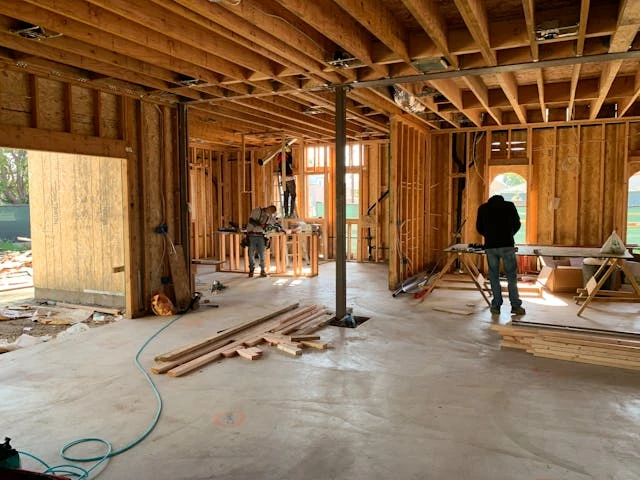
New homes are full of surfaces that look perfect, which is why it helps to pay attention to what is behind the walls. In simple terms, good bones mean the home feels sturdy and consistent. Doors close smoothly, floors feel level, and walls look straight when you sight down a hallway.
Ask what inspections happen during construction and how issues are documented and corrected. Even if you plan to hire your own inspector, it is helpful to understand the builder’s quality checkpoints. A transparent process is often a sign that the company expects to stand behind the work.
You can also use your senses during a tour. If you hear noticeable creaks or feel a “bounce” in a floor, ask about it. If windows are difficult to open, that may be a quick adjustment, but it is worth understanding whether it reflects installation or alignment. These are not reasons to panic, but they are cues to slow down and get clear answers.
Systems And Materials That Age Well
A home’s long-term comfort is strongly influenced by the systems that run quietly in the background. Heating and cooling, insulation, ventilation, and plumbing layout all affect how the home feels season to season. While you do not need to become an expert, you can ask practical questions: How is the home heated and cooled? Where is the equipment located? Is there enough storage for filters and supplies? Are the bathrooms vented properly?
Materials matter in a similar way. You are looking for finishes that can handle real life, but you also want a home that was designed with durability in mind. For example, a covered outdoor space is not just a lifestyle perk. It can protect doors and exterior surfaces from harsh sun and rain and help the outdoor area stay usable more months of the year. Many contemporary plans also highlight covered patios and open-concept living because those features tend to stay relevant as preferences shift.
Builder Options That Reveal a Home’s Real Flexibility
One of the clearest signs of “good bones” in a new build is how well the home can adapt as your life changes. Most buyers want a layout that works right now, but also still makes sense if they add a home office, host extended family for longer visits, or need more flexible living space later. That is why it helps to prioritize floor plans with rooms that can shift roles over time, and to choose a purchase timeline that fits your situation rather than forcing a compromise.
In markets like Dallas Fort Worth, you will typically see both quick move-in options and homes that can be built after you select a plan and homesite. If you are looking at move-in ready new construction homes in Dallas, for example, it can be helpful to compare those available-now layouts against broader community offerings to see what range of sizes and configurations is common, including plans with roughly 3 to 7 bedrooms and different bath and garage setups. That range matters because it increases your odds of finding a layout with strong fundamentals, instead of choosing a home that looks great in photos but feels limiting in everyday use.
Flexibility also shows up in smaller design decisions, like including a dedicated study or an extra entertainment space that can later become a homework zone, guest area, or quiet retreat. Many current plans highlight features like studies, game rooms, and media rooms for exactly this reason. Homes that can support remote work, shifting household routines, and changing family needs tend to feel more livable over time.
How To Confirm Good Bones Before You Close
You do not have to rely on gut feel alone. There are straightforward ways to verify whether a new build has the kind of core quality you want.
Start with the paperwork. Review what is included as standard, what counts as an upgrade, and what the builder will correct before closing. Ask for clarity on the final walkthrough process and how punch-list items are handled.
Then, focus on a few high-impact checks during tours and walkthroughs:
- Walk the home slowly. Pay attention to floor transitions, door alignment, and whether the house feels consistent room to room.
- Test the daily-use items. Open and close windows, doors, and cabinets. Run faucets and check water pressure if possible.
- Look at the practical spaces. Laundry rooms, pantries, and mudrooms can reveal whether the home was designed for real routines or just for staging.
- Ask how the home will live. Where does storage go? How is natural light handled? How will traffic flow during busy times?
Finally, consider an independent inspection even for new construction. It is one of the simplest ways to get an objective view of the home’s fundamentals before you sign the last documents.
Conclusion
In a new-construction context, “good bones” is less about charming old craftsmanship and more about lasting function. It is the combination of a smart layout, solid build quality, durable systems, and flexibility that makes the home work well long after move-in day excitement fades. When you evaluate those fundamentals first, you can choose finishes and upgrades with confidence, knowing the home underneath them is built to support your life for years to come.