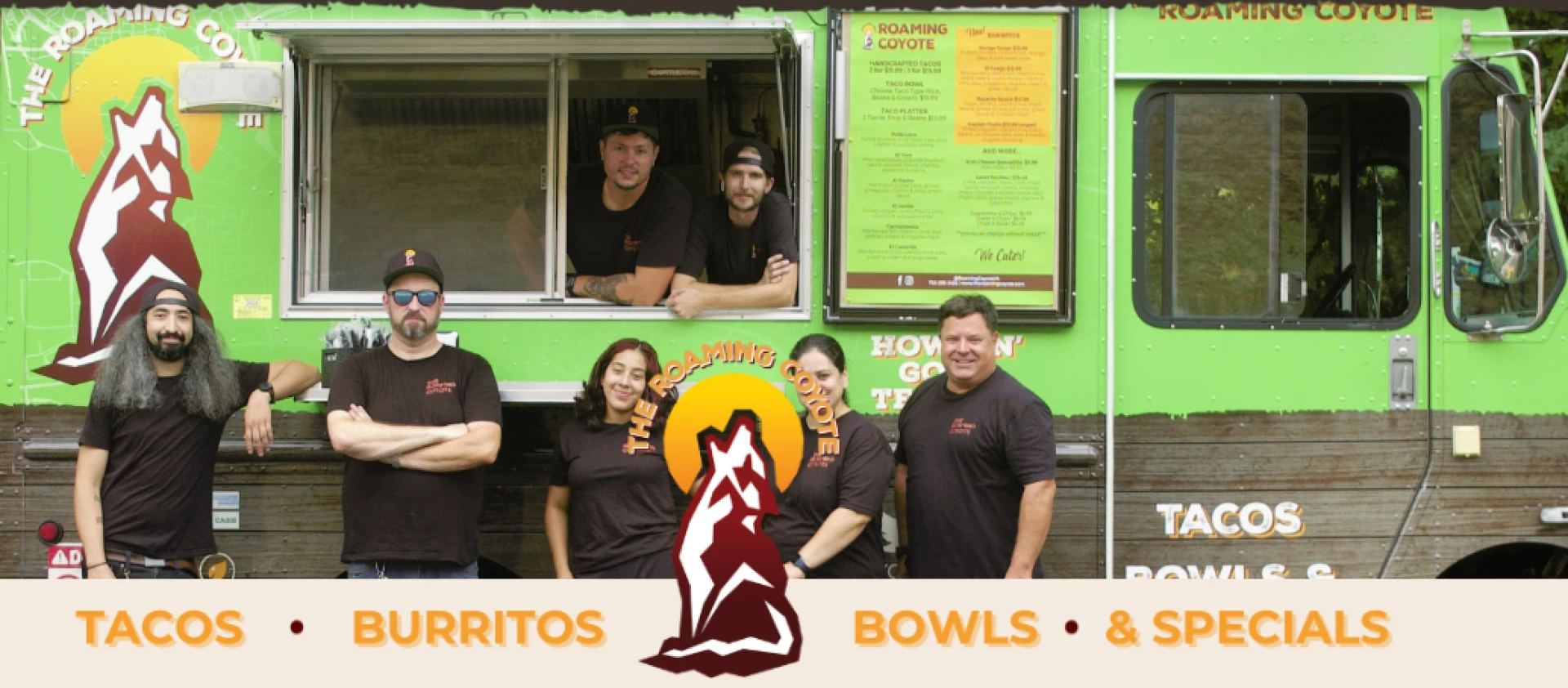
Food trucks have evolved into a thriving niche and lucrative segment of the food and beverage industry. Aspiring entrepreneurs would find a food truck to be a flexible and creative option, with lower startup costs compared to an ordinary restaurant. However, it is not always smooth sailing. A food truck business requires proper planning, adherence to rules and regulations, and a well-defined business strategy. Whether you're starting out or expanding, there are key things every Food Trucks Washington DC owner should know.
Understanding the Industry Landscape
It is also worth noting that the food truck industry is highly competitive before entering. Customers can choose from a limitless array of possibilities, including high-quality burgers and tacos, vegan bowls, and international street food. To achieve success, you need to differentiate yourself in terms of concept, quality, and brand. Market research is necessary to find the appropriate location, customers, and the kind of demographics and food trends that match what you are offering.
Legal Requirements and Permits
Running a food truck is not as easy as purchasing a car and selling food. All cities and counties have a set of regulations governing mobile food businesses. These often include:
- Business licenses – Legal approval to operate in a specific jurisdiction.
- Health permits – Certification that you meet food safety standards.
- Parking Permits – Authorization to Sell in Designated Locations.
- Fire and Safety Inspections – Ensuring Your Truck’s Equipment Is Safe.
Failure to comply with these regulations can result in fines or shutdowns.
Choosing the Right Truck
Your truck is more than just a vehicle – it’s your kitchen, storefront, and brand identity on wheels. When selecting a truck, consider:
- Size and layout – Enough space for staff to work efficiently without overcrowding.
- Equipment needs – Depending on your menu, you may need grills, fryers, refrigerators, or specialty machines.
- Maintenance and reliability – Breakdowns can cost you sales and damage your reputation.
- Exterior design – A visually appealing truck with eye-catching graphics helps attract customers.
Leasing may be a good option for beginners, while custom-built trucks offer flexibility for established operators.
Crafting a Winning Menu
Your menu is your most significant selling point. The best food trucks offer a focused selection of items that strike a balance between creativity and efficiency. Too many options can slow service and overwhelm customers. Instead, highlight signature dishes that reflect your brand’s identity.
Tips for menu success:
- Keep dishes simple and consistent.
- Use high-quality, fresh ingredients.
- Design items that are easy to prepare in a small kitchen or workspace.
- Incorporate seasonal or local flavors to keep things exciting.
Don’t forget to set prices carefully. They should reflect ingredient costs, labor, and overhead while still appealing to your target customers.
Location Strategy
Where you park often determines how much you earn. A great menu won’t matter if you’re in the wrong spot. Research high-traffic areas such as business districts, universities, festivals, and farmers’ markets. Many cities regulate where food trucks can park, so you’ll need to strike a balance between compliance and visibility. Social media can help you notify customers of your daily locations, building anticipation and loyalty.
Marketing and Branding
In Loudoun County Food Trucks world, your truck itself is an advertisement. A well-branded vehicle with bold colors, catchy logos, and clear menu boards will attract walk-up customers. However, to build a loyal following, you need to take it a step further.
Effective marketing strategies include:
- Social media – Platforms like Instagram and TikTok are perfect for showcasing your dishes and daily locations.
- Loyalty programs – Offer digital punch cards or discounts to repeat customers.
- Partnerships – Team up with local breweries, events, or community organizations.
- Word-of-mouth – Encourage satisfied customers to leave reviews and share photos.
Consistency in your branding—from truck design to social media voice—helps establish your identity and makes your truck memorable.
Managing Finances
Like any business, financial management is critical to success. Start with a realistic budget that covers startup costs (such as truck purchase, permits, equipment, and initial food inventory) and ongoing expenses (including fuel, maintenance, staff wages, and marketing). Track every expense and revenue stream to monitor profitability. Many food truck owners fall into the trap of focusing on sales while ignoring hidden costs. Investing in accounting software or hiring a part-time bookkeeper can help you stay on top of finances.
Staffing and Operations
A small team often operates a food truck, sometimes consisting of just the owner and one or two employees. Hiring the right people is crucial, as staff need to work effectively under pressure in a confined space.
Provide proper training on food safety, customer service, and equipment handling. Cross-training employees to handle multiple roles ensures smoother operations during periods of high activity.
Efficiency is everything in a food truck. From prep work to serving customers, streamlining processes helps you serve quickly without sacrificing quality.
Food Safety and Quality Control
Trust is key in the food business. One incident of foodborne illness can destroy your reputation. Strict adherence to food safety protocols protects both your customers and your business.
Best practices include:
- Maintaining proper storage temperatures.
- Regularly sanitizing surfaces and equipment.
- Monitoring ingredient freshness.
- Training staff in hygiene practices.
Consistency also matters. Customers return because they expect the same delicious taste every time. Standardize recipes and preparation methods to maintain quality.
Adapting to Trends
Food trends shift quickly. Successful food truck owners stay adaptable, introducing limited-time items or experimenting with flavors without losing their core identity. For example, plant-based options, global fusion cuisines, and sustainable packaging are currently in demand.
Building for Growth
Many food truck owners dream of expanding into multiple trucks, catering services, or even brick-and-mortar restaurants. Before scaling, ensure your first truck is consistently profitable and operationally efficient.
Franchising, partnerships, or investing in commissary kitchens can support expansion. Growth should be gradual and strategic, guided by your brand vision and financial capacity.
Common Challenges and How to Overcome Them
Food truck ownership comes with hurdles such as:
- Weather dependency – Rain or extreme heat can impact foot traffic.
- Vehicle breakdowns – Regular maintenance helps reduce downtime.
- Regulatory Changes – Stay updated on local laws to ensure compliance.
- Competition – Differentiate yourself through quality, branding, and service.
Resilience and problem-solving skills are crucial for thriving in this dynamic industry. The road may be bumpy, but with determination and a smart strategy, the journey can be incredibly fulfilling.
Frequently Asked Questions (FAQs)
1. How much does it cost to start a food truck?
Startup costs vary widely depending on location, truck type, and equipment needs. On average, new food truck businesses typically require an initial investment of between $50,000 and $150,000.
2. Do I need a commercial kitchen if I own a food truck?
In many cities, Food Trucks Washington DC must prep ingredients in a licensed commissary kitchen rather than at home. Always check local health codes to stay compliant.
3. How do I choose the best locations for my food truck?
Look for areas with high foot traffic, such as office districts, campuses, festivals, or nightlife zones. Use trial and error, combined with customer feedback, to identify profitable areas.
4. What kind of menu works best for a food truck?
Menus that are focused, simple, and quick to prepare usually perform best. Customers often appreciate signature dishes that highlight your truck’s specialty.
5. How do food trucks deal with bad weather?
Weather can reduce sales, but strategies such as catering, hosting private events, and partnering with indoor venues can help offset losses during slow periods.