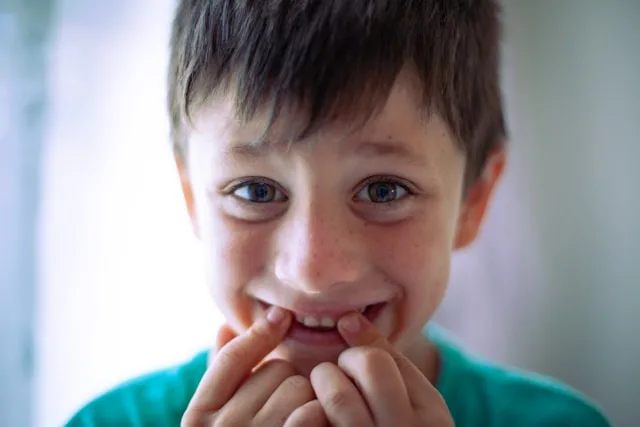
Picture: Unsplash
Toddlers are naturally curious and energetic. As they learn to walk, run, climb, and explore their surroundings, minor accidents are almost inevitable. While many bumps and bruises heal quickly, injuries involving the teeth can be particularly concerning for parents. A sudden fall, collision, or playground accident may leave families wondering whether immediate dental care is necessary and what long-term effects the injury could have.
Toddler tooth injuries are more common than many parents realize. Because young children are still developing coordination and balance, falls frequently involve the face and mouth. Even seemingly minor incidents can sometimes affect the teeth, gums, or underlying structures. Understanding how to recognize, respond to, and prevent dental injuries can help parents make informed decisions during stressful situations.
With prompt attention and appropriate care, many toddler tooth injuries can be managed successfully. Knowing what signs to watch for and when professional evaluation is needed allows families to protect their child's oral health and future dental development.
Common Types of Tooth Injuries in Toddlers
Toddler dental injuries can take several forms depending on the nature of the accident. Some injuries may appear obvious, while others can be more difficult to detect immediately.
A chipped tooth is one of the most common outcomes of a fall or impact. In some cases, only a small portion of the enamel is affected. Although minor chips may not cause pain, they should still be evaluated to ensure no deeper damage exists.
Another common injury involves a tooth becoming loose or displaced. The tooth may appear pushed inward, outward, or sideways following an accident. Because baby teeth sit close to developing permanent teeth, changes in position should always be professionally assessed.
Gum injuries can also occur. Bleeding, swelling, or bruising around the gums may indicate trauma to the surrounding tissues. While these injuries often heal well, monitoring is important to ensure complications do not develop.
In more serious situations, a tooth may be knocked out entirely. When this occurs with a baby tooth, parents should seek professional guidance promptly rather than attempting to replace the tooth themselves.
Recognizing Warning Signs After an Accident
Not every dental injury is immediately visible. Parents should carefully observe their child following any impact involving the mouth or face.
Pain is one of the most obvious indicators that further evaluation may be necessary. A toddler who refuses to eat, avoids using certain teeth, or cries when chewing may have sustained more damage than initially suspected.
Changes in tooth color can also signal underlying injury. A tooth that gradually turns gray, brown, or dark following trauma may have experienced damage to its inner structures. While discoloration does not always indicate a serious problem, it warrants professional attention.
Swelling around the gums, lips, or face should never be ignored. Significant swelling may indicate infection, injury to surrounding tissues, or damage beneath the surface.
Parents should also watch for persistent bleeding, difficulty closing the mouth properly, unusual tooth movement, or complaints of sensitivity. Any of these symptoms may require prompt examination to determine the extent of the injury.
The Importance of Professional Evaluation
Even when an injury appears minor, professional assessment plays an important role in protecting a toddler's oral health. Children's mouths are still developing, and trauma can sometimes affect both baby teeth and the permanent teeth forming beneath them.
A pediatric dentist in Moreno Valley can evaluate the injury, determine whether imaging is needed, and recommend the most appropriate course of action. Professional examination helps identify hidden fractures, root damage, and other complications that may not be visible during a home inspection.
Parents are sometimes tempted to wait and see if a problem resolves on its own. While this approach may be appropriate for certain minor incidents, delaying evaluation can occasionally allow complications to worsen. Early diagnosis often leads to simpler and more effective treatment.
Professional monitoring may continue even after the initial injury has healed. Follow-up visits allow dental providers to track changes, assess tooth development, and ensure no delayed issues emerge over time.
Helping Toddlers Recover Comfortably
Recovery from a dental injury can be challenging for young children who do not fully understand what has happened. Parents play a vital role in providing comfort and supporting the healing process.
Offering soft foods during the first few days often helps reduce discomfort. Items such as yogurt, applesauce, mashed vegetables, and smoothies can make eating easier while injured tissues recover. Hard, crunchy, or sticky foods may need to be avoided temporarily.
Maintaining oral hygiene remains important during recovery. Gentle brushing helps keep the mouth clean and reduces the risk of infection. Parents should follow any specific instructions provided by their dental professional regarding care for the affected area.
Emotional reassurance is equally important. Toddlers can become frightened following an accident, particularly if they experienced pain or bleeding. Calm explanations, extra patience, and positive reinforcement can help children feel secure throughout recovery.
Most minor dental injuries heal well when managed appropriately. Consistent monitoring and communication with a dental professional further support successful outcomes.
Preventing Future Dental Injuries
While it is impossible to prevent every childhood accident, a few practical steps can reduce the likelihood of dental injuries.
Childproofing the home is a useful starting point. Securing furniture, installing safety gates, and removing tripping hazards can decrease the risk of falls. Areas where toddlers frequently play should be carefully evaluated for potential dangers.
Supervision remains one of the most effective protective measures. Close attention during playground activities, climbing, and active play can help parents intervene before accidents occur.
As children grow older and participate in sports or recreational activities, appropriate protective equipment becomes increasingly important. Mouthguards may help reduce the risk of injuries during higher-impact activities.
Teaching safe habits is also beneficial. Encouraging children not to run with objects in their mouths and promoting safe play practices can help minimize certain types of accidents.
Although no prevention strategy is perfect, combining environmental safety measures with ongoing supervision can significantly lower the risk of serious dental injuries.
Conclusion
Toddler tooth injuries can be alarming, but understanding how to respond can make a meaningful difference. Recognizing common injuries, monitoring for warning signs, seeking professional evaluation when necessary, supporting recovery, and practicing prevention strategies all contribute to better outcomes.
By staying informed and prepared, families can navigate dental injuries with greater confidence while protecting their children's oral health during these important developmental years. Early attention and proactive care help ensure that young smiles remain healthy and strong as children continue to grow and explore the world around them.