
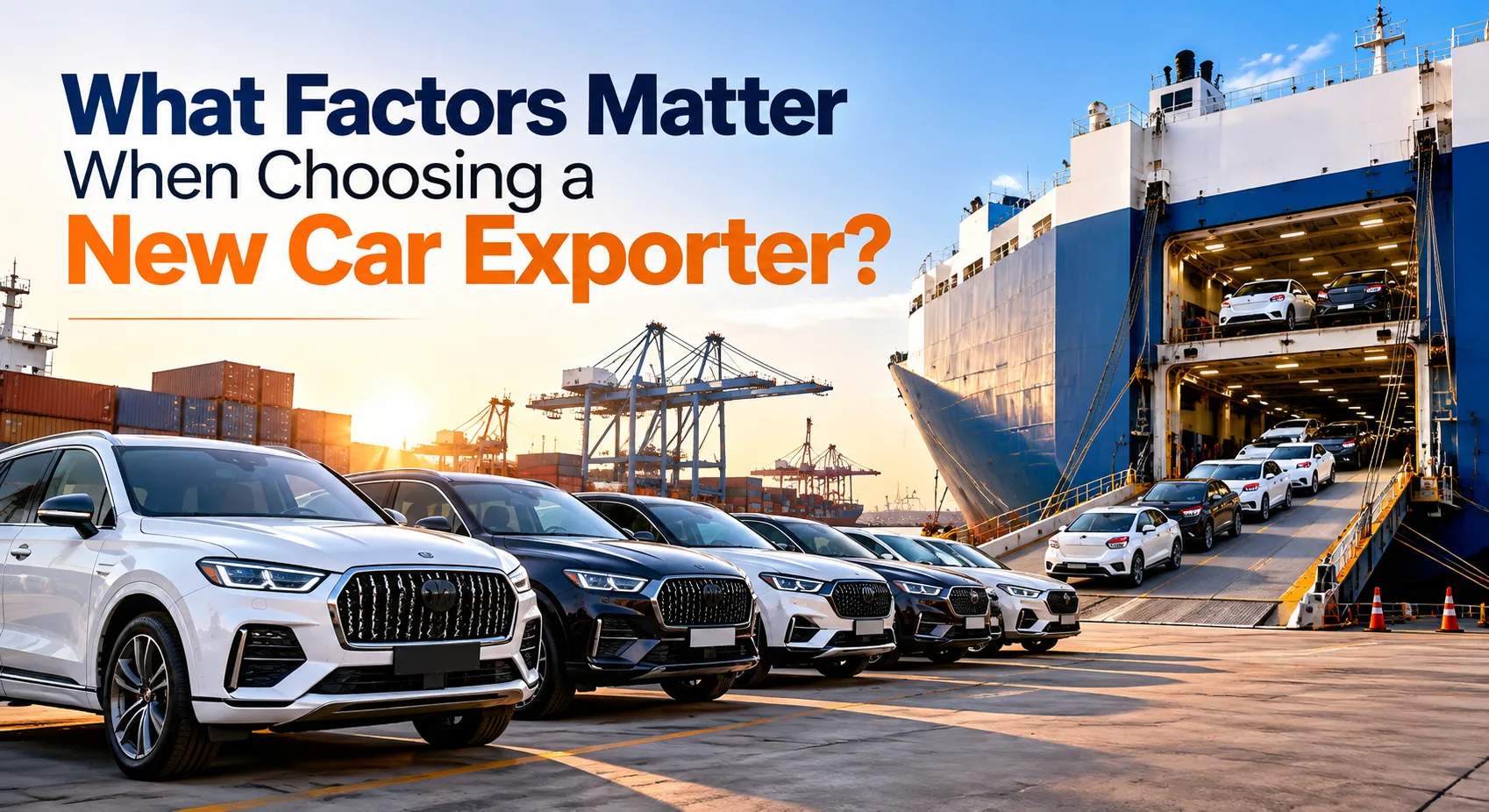
Buying a new car through an export service involves more than simply selecting a vehicle and arranging transportation. Buyers need to consider vehicle quality, documentation, shipping procedures, payment terms, and after-sales support. A reliable exporter should make each stage clear and organized so that customers understand what they are purchasing and how the vehicle will reach its destination.
A professional New Car Exporter In Dubai should provide accurate information about the vehicle, including its specifications, model year, condition, features, and availability. Clear communication is important because international buyers may not be able to inspect the vehicle personally. Detailed vehicle information, photographs, invoices, and relevant export documents can help customers make informed decisions before completing a purchase.
Vehicle Selection and Availability
A good exporter should offer a suitable range of new vehicles from established manufacturers. Buyers may have different requirements based on budget, vehicle type, engine specifications, safety features, fuel efficiency, and intended use.
Exporters should provide accurate details about available models and explain the differences between variants. Information about optional features, trim levels, colors, and specifications can also help buyers select a vehicle that meets their expectations.
Verification of Vehicle Details
Before purchasing a vehicle, customers should verify important specifications carefully. The model, manufacturing year, engine capacity, transmission, exterior color, interior features, and safety equipment should match the information provided by the exporter.
Proper verification reduces the possibility of misunderstandings. Buyers should also request relevant documentation that confirms the vehicle's identity and ownership status. Transparent exporters should be willing to explain the documents required for export and registration in the destination country.
Export Documentation
International vehicle transactions require proper documentation. Depending on the destination, this may include a commercial invoice, certificate of origin, export documents, shipping documents, and vehicle-related paperwork.
Documentation requirements can vary between countries. Therefore, buyers should understand which documents the exporter provides and which documents may need to be arranged by the buyer or an authorized local representative.
Shipping and Logistics
Transportation is another important factor when selecting an exporter. Buyers should understand whether the vehicle will be shipped through container transport, roll-on/roll-off shipping, or another suitable method.
The exporter should explain the estimated shipping process, port handling, loading arrangements, and expected delivery timeline. Although shipping schedules can change because of port operations, customs procedures, or other logistical factors, clear communication helps buyers plan accordingly.
Pricing and Payment Terms
Price should not be considered separately from the services included in the transaction. Buyers should understand the total cost of the vehicle and identify additional expenses such as shipping, insurance, documentation, customs duties, taxes, and destination charges.
Payment terms should also be clearly explained before an agreement is made. Customers should receive proper invoices and understand payment deadlines, accepted payment methods, and any applicable cancellation or refund conditions.
Customer Communication
Effective communication can make the export process much easier. Buyers may have questions about vehicle specifications, paperwork, shipping, customs, or delivery arrangements. A professional exporter should respond clearly and provide relevant information without creating unnecessary confusion.
Regular updates during the purchasing and shipping process can also help customers understand the progress of their order. Good communication is particularly important when the buyer and exporter are located in different countries.
After-Sales Support
Support should not necessarily end when the vehicle leaves the exporter's facility. Buyers may require assistance with documentation, shipping updates, warranty information, or other questions related to the transaction.
An exporter that provides clear guidance throughout the process can make international vehicle purchasing more convenient. Buyers should therefore ask about available support before finalizing their purchase.
Also Read :- Why Is Toyota Hiace a Practical Solution for Passenger Transport?
Conclusion
Choosing an exporter requires careful attention to vehicle specifications, documentation, shipping arrangements, pricing, communication, and customer support. Comparing these factors can help buyers understand the complete transaction rather than focusing only on the vehicle's advertised price. A structured and transparent export process can make international vehicle purchasing easier to manage. Companies such as Nubia Cars can be considered by buyers who are looking for organized vehicle export services and clear assistance throughout the purchasing and shipping process.