
When people hear the words root canal, it often sparks feelings of fear or anxiety. Many imagine a painful or complicated procedure. In reality, modern root canal therapy is a routine dental treatment designed to save natural teeth and relieve pain caused by infection or damage. For Canadians wondering what root canal therapy does, how it works, and why it’s often the best option for tooth preservation, this guide breaks it all down in clear and straightforward terms.
What Is Root Canal Therapy?
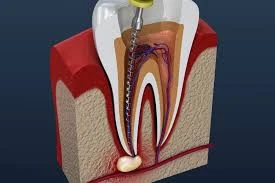
Root canal therapy is a dental procedure used to treat infection, inflammation, or damage inside a tooth. Beneath the hard outer enamel and dentin lies a soft tissue called pulp. The pulp contains blood vessels, nerves, and connective tissues that help teeth grow during development.
When the pulp becomes infected or damaged, it cannot heal on its own. Without treatment, the infection can spread, leading to severe pain, abscesses, and even tooth loss. Root canal therapy removes the diseased pulp, disinfects the inner chamber, and seals the tooth to prevent further infection.
Why Would Someone Need Root Canal Therapy?
A root canal is usually recommended when the pulp of a tooth is compromised. Common causes include:
- Deep decay that reaches the pulp.
- Cracks or fractures in the tooth.
- Traumatic injury (such as a blow to the mouth).
- Repeated dental procedures on the same tooth.
- Severe gum disease that spreads inward.
Symptoms that may suggest the need for root canal therapy include:
- Persistent toothache or throbbing pain.
- Sensitivity to hot or cold that lingers.
- Swelling or tenderness in the gums.
- Darkening or discoloration of a tooth.
- Pus or a small pimple-like bump on the gums.
If you experience these warning signs, visiting a Dentist in Coquitlam or your local dental office promptly is the best step.
What Happens During the Procedure?
Root canal therapy is performed by either a general dentist or an endodontist (a specialist in root canal treatments). The process typically involves the following steps:
1. Examination and Diagnosis
Your dentist will take X-rays to examine the tooth and assess the extent of infection or damage. This helps determine if root canal therapy is necessary.
2. Local Anesthesia
Contrary to popular belief, root canals are not painful. Dentists use local anesthesia to numb the area thoroughly, ensuring you remain comfortable throughout the procedure.
3. Accessing the Pulp Chamber
A small opening is made in the crown of the tooth to reach the pulp chamber and root canals.
4. Removing Infected Pulp
The diseased pulp is carefully removed using specialized instruments. The dentist then cleans and disinfects the inner space to eliminate bacteria.
5. Shaping and Filling
The empty canals are shaped and filled with a biocompatible material called gutta-percha. This seals the space to prevent reinfection.
6. Restoring the Tooth
After the root canal is complete, the tooth is restored with a filling or, in many cases, a crown. A crown helps strengthen the tooth and restore normal function.
Most root canal procedures can be completed in one or two visits, depending on the complexity of the case.
What Does Root Canal Therapy Do for Your Oral Health?
Root canal therapy is designed to save your natural tooth and protect your overall oral health. Here’s how it benefits you:
1. Relieves Pain
Root canal therapy eliminates the infection that causes tooth pain and discomfort. Once the pulp is removed and the area is cleaned, the discomfort typically disappears.
2. Saves Natural Teeth
Rather than extracting a tooth, root canal therapy preserves your natural dentition. This is important because natural teeth provide the best function for chewing and speaking, and they help maintain the strength of the jawbone.
3. Prevents Spread of Infection
If left untreated, an infected pulp can spread to surrounding tissues, gums, or even other parts of the body. Root canal therapy stops the infection at its source.
4. Restores Normal Function
Once the tooth is restored with a filling or crown, you can resume chewing and biting, usually without pain or sensitivity.
5. Supports Long-Term Oral Health
By saving the tooth, you avoid issues such as tooth shifting, bone loss, or the need for more complex dental work, like implants or bridges.
Is Root Canal Therapy Painful?
Thanks to modern techniques and anesthesia, root canal therapy is usually no more uncomfortable than getting a standard filling. Patients may feel slight tenderness for a few days afterward, but this can be managed with over-the-counter pain relievers.
The truth is that the pain leading up to a root canal—from infection or inflammation—is far worse than the treatment itself. Most Canadians who undergo the procedure report significant relief after it’s completed.
How Long Does a Root Canal Last?
With proper care, a tooth that has undergone root canal therapy can last a lifetime. Factors that contribute to longevity include:
- Placing a crown to protect the treated tooth.
- Maintaining good oral hygiene habits (brushing, flossing, and rinsing).
- Attending regular dental checkups and cleanings.
It’s important to remember that while the treated tooth no longer contains living pulp, it still needs to be cared for like all your other teeth.
Alternatives to Root Canal Therapy
If a root canal is not performed, the only alternative is tooth extraction. While extractions may seem like a simpler option, they can lead to other problems:
- Shifting of nearby teeth.
- Difficulty chewing or speaking.
- Loss of jawbone density.
- Higher long-term costs for replacements, such as implants or bridges.
Root canal therapy is generally the preferred treatment because it allows you to keep your natural tooth and avoid the complications of tooth loss.
Canadian Perspective: Accessing Root Canal Therapy
In Canada, root canal therapy is widely available through general dentists and endodontists. Dental insurance plans often cover at least part of the cost, especially if the procedure is medically necessary. Costs can vary depending on the tooth’s location, the complexity of the treatment, and whether a specialist performs it.
For those looking for trusted local care, services such as Root Canal Therapy Coquitlam are designed to provide patients with modern, comfortable treatment options that save their teeth and restore oral health.
Tips for Preventing the Need for Root Canal Therapy
While root canal therapy is highly effective, prevention is always the best medicine. Canadians can lower their risk of requiring the procedure by:
- Brushing twice daily with fluoride toothpaste.
- Flossing once a day to remove plaque between teeth.
- Limiting sugary foods and drinks that contribute to tooth decay and cavities.
- Wearing a mouthguard during sports protects against trauma.
- Visiting the dentist regularly for checkups and cleanings.
By practicing good oral hygiene, you reduce the likelihood of deep decay or damage that could compromise the pulp.
Conclusion
Root canal therapy is a safe, effective treatment that saves natural teeth, relieves pain, and restores oral health. Despite its intimidating reputation, the procedure is straightforward, comfortable, and provides long-term benefits.
If you’re experiencing tooth pain, sensitivity, or signs of infection, don’t delay seeking help. The sooner you act, the more likely it is that your tooth can be saved.
For expert care and compassionate treatment, book your appointment with Brookmere Dental Group today.